Seahawks Target Donovan Wilson As Safety Depth Play; Coverage Issues Create Opening
By Justin Erickson ·
Seattle auditions the former Cowboys starter as they absorb losses at safety, but Wilson's 2025 coverage collapse raises questions about whether familiarity with the coordinator erases poor film.
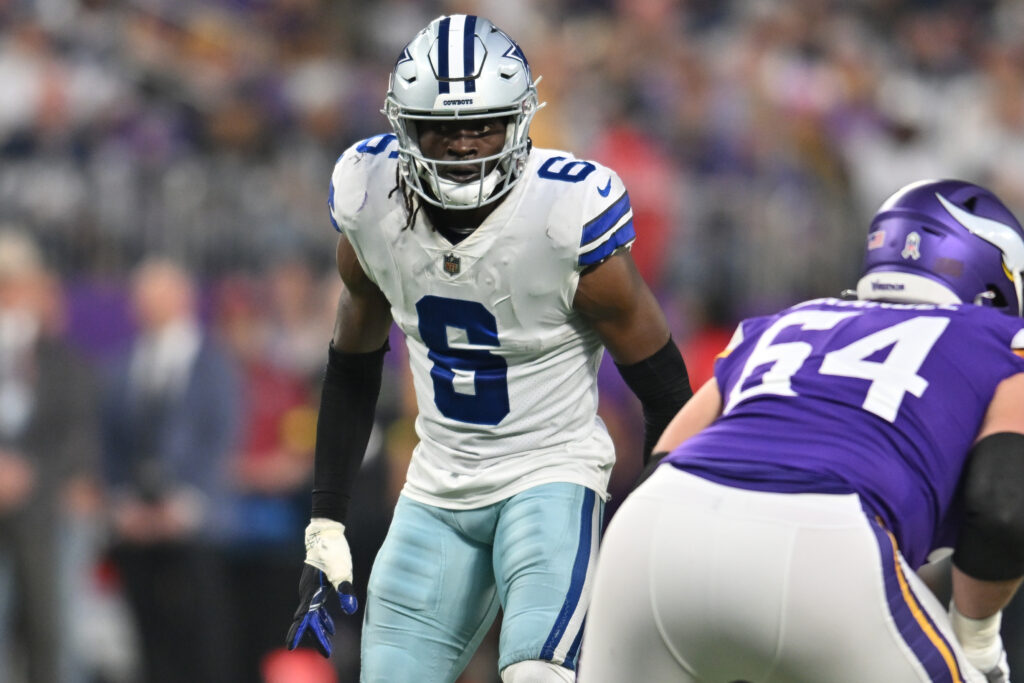
The Seahawks are working out safety Donovan Wilson on Wednesday, per ESPN, as the reigning Super Bowl champions address depth at a position hollowed by free agency losses and injury. Wilson has been in the market since March after seven seasons with Dallas, where he started 75 of 98 games and built a resume of ballhawking (eight interceptions, nine forced fumbles). The audition carries minimal financial risk and comes with a head-start: defensive coordinator Aden Durde was Dallas's D-line coach from 2021–23, creating organizational familiarity that could accelerate integration if Seattle signs him.
But the film tells a sharper story. In 2025, Wilson started all 15 games for a historically bad Cowboys defense—one that allowed more points than any team in the league. Targeted 35 times as the nearest defender, Wilson surrendered a 77.1% completion rate and a 121.3 passer rating, finishing 83rd among 91 qualifying safeties at PFF and 87th in coverage grade (38.8). This wasn't a secondary collapse around him; Wilson was a specific weak point in a unit that ranked last in pass defense. The Seahawks, by contrast, allowed the fewest points in the NFL last season and ranked 10th in pass defense efficiency. They lost starting safety Coby Bryant to Chicago in free agency but expect nick Emmanwori back from ankle surgery by the regular season, giving them a rotation of Julian Love, Ty Okada, second-round rookie Bud Clark, and Rodney Thomas in the interim.
The organizational link to Durde is real capital—coaches do trust players faster when they've seen them before—but it's also a trap for bettors and analysts who confuse coach familiarity with player recovery. Wilson is 31 and just posted one of the worst coverage seasons of his career against a pass-happy, bottom-tier defense. The Seahawks don't need Wilson to be a starter; they need a dependable reserve who doesn't bleed yards in the secondary. That's a lower bar, and on a one-year deal it's justified as insurance. But projecting Wilson to bounce back to 2024 form simply because he's leaving a bad situation underestimates how much his '25 decline may signal age-related erosion in lateral quickness and instinct.
For prop bettors, the Seahawks' secondary depth move carries an indirect angle: a safety-by-committee approach, even one upgraded with Wilson's experience, still carries more coverage vulnerability than a locked-in starter. If Seattle uses Love, Okada, or Clark in heavy rotation while Emmanwori works back, opposing passing games—particularly those with slot-heavy concepts—should exploit gaps in communication and coverage assignment. This isn't a dramatic shift in the Seahawks' pass-defense profile (they're still elite), but it narrows their margin for error in secondary matchups. Teams like the Buccaneers, Chargers, or Jets that rely on quick game and slot exploitation could see slight improvements in completion rate and yards per attempt when facing Seattle later in the season, even after Emmanwori returns. The team's ability to defend tight end and slot receiver packages specifically, not broad pass defense, is where the variance lives.