Parsons' Four-Game Absence Reshapes Packers Defense; Kraft's Week 1 Status Unlocks TE Value
By Justin Erickson ·
Green Bay's star pass rusher will miss the entire opening month, forcing early-season coverage adjustments that ripple through divisional matchup totals and team defensive props.
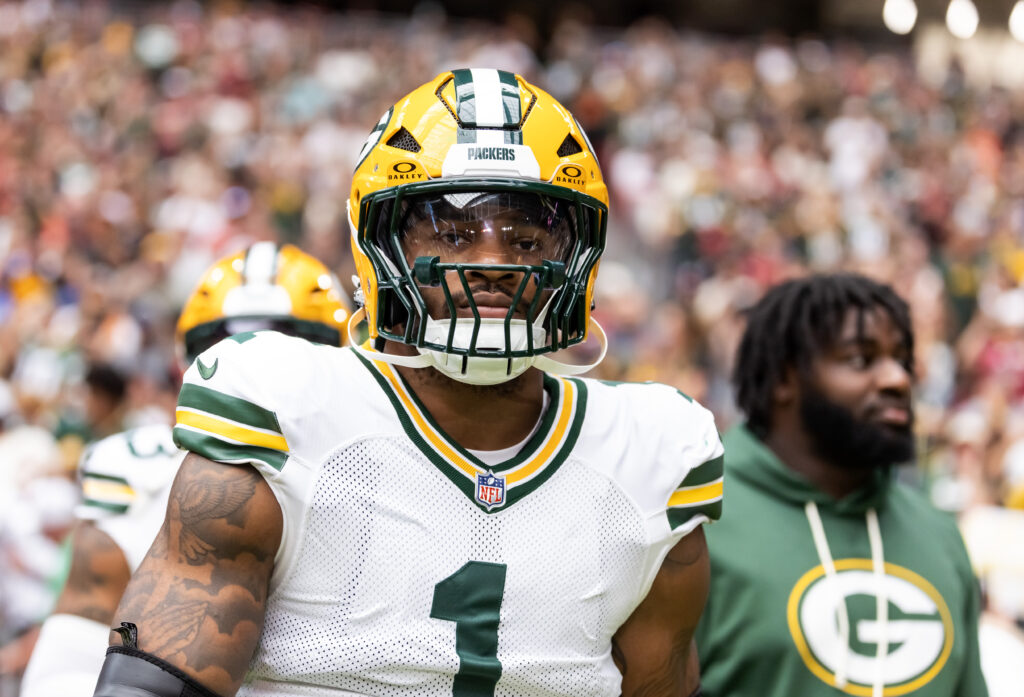
The Packers placed Micah Parsons on the physically unable to perform list on Tuesday, sidelining their five-time Pro Bowl edge rusher for at least the first four games of the 2026 season. Parsons, recovering from an ACL tear and meniscus cleanup suffered in December, remains several weeks behind schedule compared to Tucker Kraft, the team's breakout tight end who tore his ACL a month later. The timing creates a staggered injury recovery that fundamentally alters Green Bay's defensive personnel mix during the most vulnerable period of the regular season.
Parsons' absence is the headline here. A five-year veteran and perennial double-team magnet, his loss forces the Packers to deploy secondary pass rushers in critical third-down situations where he would normally operate at 90%+ snap share. October matchups against division rivals and early-season playoff-caliber offenses—when defenses are traditionally underprepared for the tempo and rhythm of live football—suddenly lack their most disruptive edge presence. The Packers indicated in their extension of defensive tackle Devonte Wyatt (three years, $57MM) last week that the organization is comfortable with his recovery timeline; Wyatt avoided PUP after tearing his fibula and ankle ligaments in November. That confidence in the interior doesn't offset the perimeter void.
Kraft's trajectory tells a different story. The 2023 third-round pick is expected to suit up for Week 1, meaning Green Bay's passing attack retains its primary intermediate target and red-zone weapon from the start. Kraft posted 50 catches for 707 yards and seven touchdowns in his second season (2024), then was on pace for career highs (32 rec, 489 yards, 6 TDs over eight games last year) before the November injury ended his run. The front office's optimism about his recovery—combined with contract extension negotiations expected this summer—signals confidence in both his health and workload allocation. A healthy Kraft paired with a Parsons-less defense creates an asymmetric value scenario: the Packers' passing game floors remain intact while their pass rush operates with a patchwork rotation.
For prop bettors, the divergence is actionable. Packers passing totals over their first four games warrant elevation, particularly against offenses that can exploit the secondary without elite edge pressure. Kraft's receiving yards and anytime touchdown odds should tighten relative to season-long expectations, as early-September volume will concentrate on his routes while Parsons' replacement (likely a rotation of veterans and second-year edge rushers) draws single blocks and coverage assistance. The inverse play: fade Packers team sack totals and defensive pressure props in Weeks 1-4. Those defenses will struggle to generate interior collapse without elite perimeter disruption, forcing corners to hold coverage longer and safeties to play deeper. Books already price in Parsons' absence, but the magnitude of Green Bay's sack decline—Parsons averaged 2.1 sacks per game in 2024 before his injury—isn't fully baked into team defensive totals that assume standard late-July roster strength.