Training Camp Casualties Mount Early: How Defensive Losses Reshape Week 1 Betting
By Justin Erickson ·
A wave of ACL tears and multi-week injuries to edge rushers and secondary pieces is forcing defensive game plans into contingency mode before the season even starts.
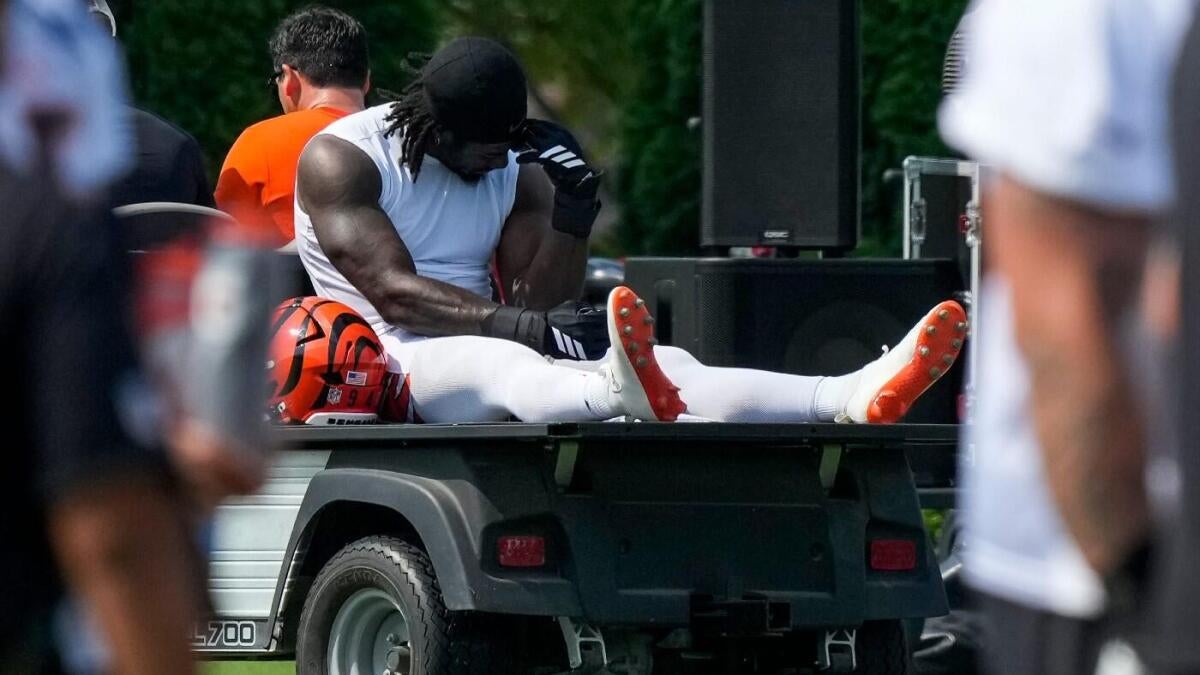
The injury reports flowing out of NFL training camps this week paint a grim picture—and one that's arriving earlier than usual. Nic Scourton (Panthers edge), Bryan Bresee (Saints DT), and Shemar Stewart (Bengals edge) have all suffered season-ending or severe leg injuries within days of each other, forcing three playoff-caliber defenses to recalibrate before they've faced live competition. The Falcons are managing a different crisis: Tua Tagovailoa is working through an early training camp injury that has forced Atlanta to sign veteran backup Cooper Rush, while Michael Penix remains unavailable after tearing his ACL in Week 11 of last season—a recovery window of roughly eight months that may not be fully healed even now.
The Scourton and Bresee situations are particularly damaging because both teams invested heavily in their pass rushes heading into 2026. Carolina lost Scourton—a second-year edge rusher playing at a position where reps and timing matter enormously—before he'd even taken a full-team snap. New Orleans watched former first-rounder Bresee, who has quietly become one of the league's most reliable interior linemen, go down on a single practice rep. Neither team has a clear, established replacement at that caliber. The Bengals' loss of Stewart, their first-round pick from this year's draft who logged only eight games as a rookie, compounds what was already a deep run-stopping concern.
These aren't abstract organizational headaches—they're direct shifts in defensive pressure capability. A team missing its primary edge threat or starting interior lineman enters Week 1 with different pass-rush angles, longer blitz windows, and higher reliance on coverage. For offenses facing these depleted defenses, quarterback hit totals are likely to move down, sack props compress, and quick-hitting vertical passing becomes more viable. The Panthers and Saints in particular will rely on younger rotational pieces and backups who have far less on-field chemistry with their linebacker corps and secondary.
The timing compounds the math. Brazzell (Panthers WR, eight-week LCL tear) and James (49ers RB, rib fracture with no return timeline) remove targets from already-thin receiving rooms mid-camp, which accelerates injury-backup reps but delays the quarterback-receiver timing that matters for September. For sportsbooks, the calculus is straightforward: teams fielding injury-ravaged defenses will allow more explosive plays downfield. Saints secondary-down pass defenses just became a fade on Week 1. Carolina's defense should play faster and looser knowing they've already lost their best pass-rusher—meaning opposing offenses will face less exotic pressure and more predictable coverage. If you're looking at Panthers defensive lines in early-season props, the absence of Scourton means fewer sacks and fewer disrupted plays in the backfield.
The deeper issue: training camps typically run at 30-40% intensity. ACLs don't tear at full speed on accident. Multiple simultaneous lower-body injuries suggest either teams are ramping intensity too fast, or there's a health-tracking blind spot in conditioning. Either way, bettors should expect a second wave of ailments as camps shift to live-speed work over the next week—and any line posted before those additional reports land is built on incomplete information. Fade first-week unders on teams with depleted defenses; they're being priced as if they have their starting units intact.