NFL
Week 3 Pressure Points: How Early Coaching Failures Shape Playoff Odds
Three NFL coaches face genuine job jeopardy after 0-2 starts, and the market hasn't fully repriced the playoff collapse risk that historically follows.
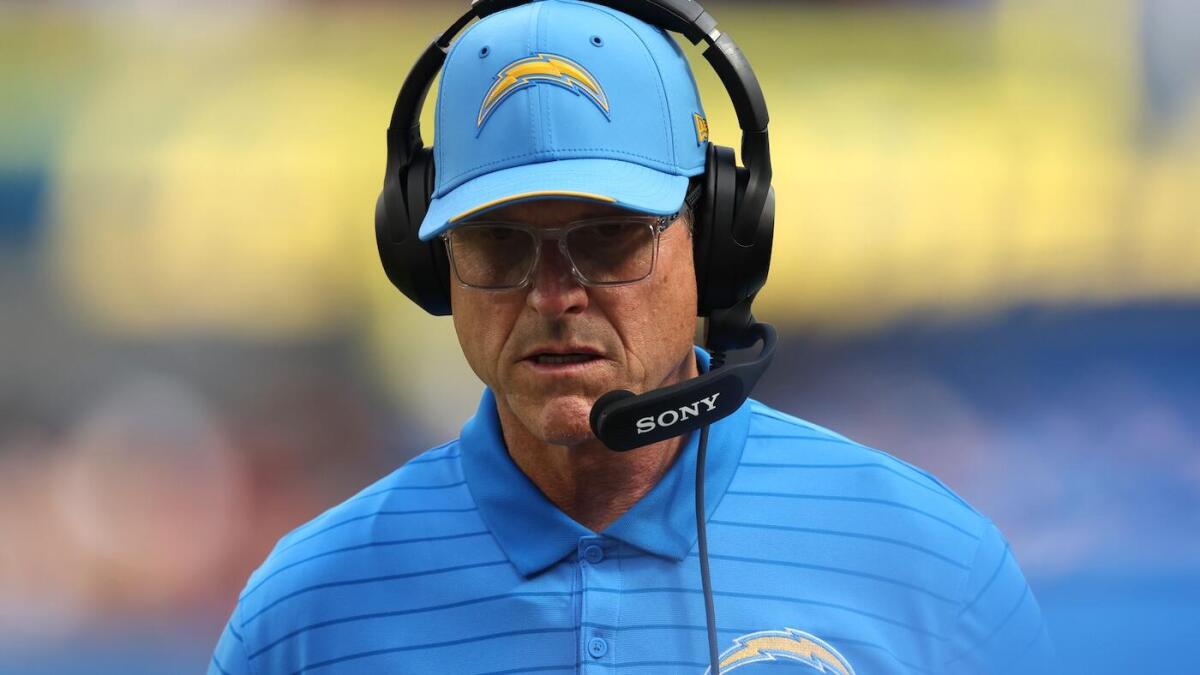
We're 14 days into the 2026 season, and three head coaches are operating on borrowed time. Jim Harbaugh's Chargers, DeMeco Ryans' Texans, and Shane Steichen's Colts all sit at 0-2—a position so precarious that organizations typically begin contingency planning by Week 4 or 5. History offers a grim reference point: Matt Rhule lasted five weeks in Carolina before dismissal; Robert Saleh made it to Week 5 with the Jets before being removed. The threshold for intervention is narrower than most assume, and we're now inside that window.
The underlying mechanics differ by team, which matters for how teams structure their remaining rosters. Houston's 0-2 start is particularly alarming because it represents Ryans' third 0-2 opening in four seasons—yet the defense, ostensibly his specialty, has regressed from 2025's lockdown form. Allowing 36 to Buffalo and 20 to Cincinnati in consecutive weeks, with both opposing quarterbacks throwing two-plus touchdowns against zero interceptions, suggests a structural problem rather than execution variance. Indianapolis faces different peril: owner Carlie Irsay-Gordon was explicit in the offseason that underperformance would trigger change. Harbaugh's situation in Los Angeles is murkier—a new regime installed with high expectations, but early record doesn't yet mirror the microscopic margin-of-victory profiles that often precede coaching turnover. Green Bay's Matt LaFleur is on this list, though his 1-1 record masks a deeply dysfunctional offense that won a game on 199 total yards and 10 penalties, a statistical anomaly not seen since the Super Bowl era began.
The prop market's adjustment to coaching instability is typically delayed and incomplete. Books price Week 3-4 totals and spreads without fully discounting the offensive volatility that emerges under institutional stress. When a coach's job is genuinely at risk, play-calling becomes conservative, timeout management grows erratic, and quarterback decision-making tightens—all of which compress offensive output. Houston's rushing attack has been particularly anemic (60 yards on 18 carries in Week 2), a symptom of play-calling panic when the defense fails to hold leads. Look for under-betters to find value on Texans team totals in Week 3, particularly if they're favored; the line will assume competitive normalcy that the underlying institutional pressure may not support.
The Colts' situation is the sharpest edge. Steichen inherited high expectations and has zero margin for error; a third consecutive loss likely triggers front-office intervention. Indianapolis' passing game has underperformed projected volume, and early-week totals on Colts games will continue to price them as a functional offense when internal messaging has almost certainly shifted toward desperation. If Indy is in Week 3 at 0-2, unders on their team total at current market prices carry structural value—not because the team is bad, but because fear calcifies offensive strategy in ways that compress yardage totals beneath baseline projection.
The broader signal: coaching hot-seat rankings are predictive of offensive constraint, not team talent. A 0-2 team with job jeopardy doesn't suddenly improve; it narrows. Week 3-4 unders on these teams will be the cleanest edge available before the market fully reprices the probability of regime change.