Pierce's Heel Injury Derails Colts' Top Target Mid-Game; Succession Plan Scrambles Indianapolis' Air Attack
By Erik Schwartz ·
A late-first-quarter heel injury to Alec Pierce forces the Colts to pivot their passing game mid-broadcast, with Josh Downs and Keenan Allen thrust into expanded roles against Kansas City.
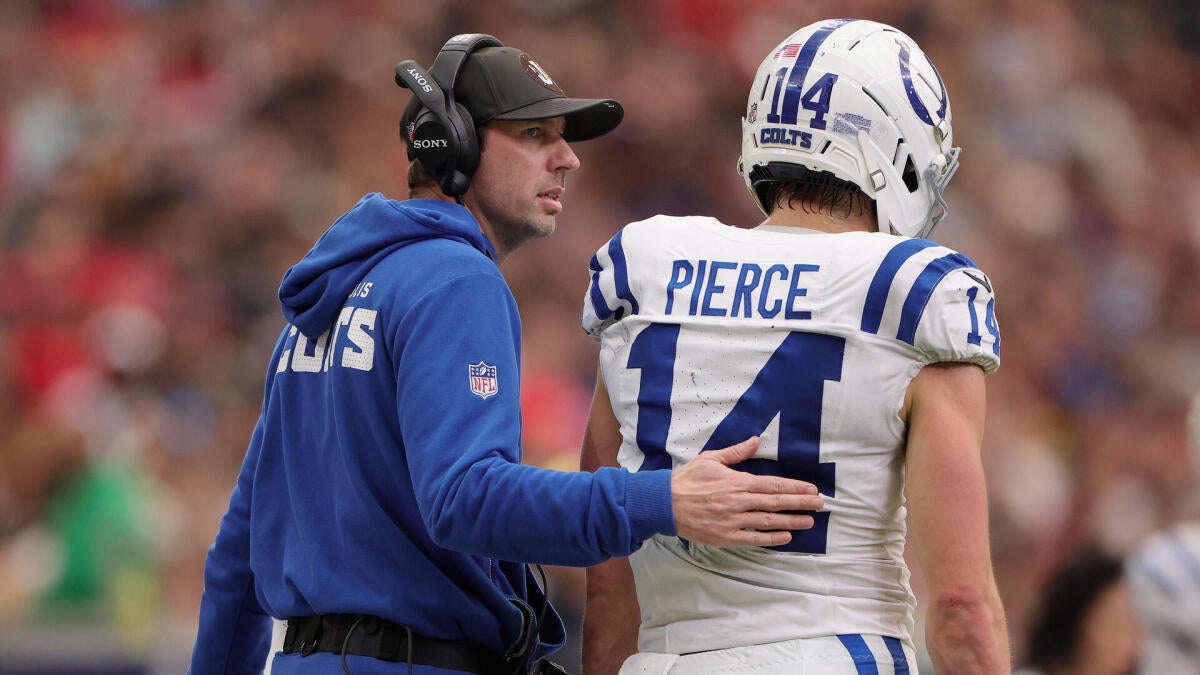
Alec Pierce exited Sunday night's Colts-Chiefs matchup late in the first quarter with a left heel injury sustained while cutting downfield. The injury occurred during a route break; Pierce lost his footing on a sharp directional change toward the sideline, stayed upright long enough to pull up visibly in pain, and was unable to bear weight on the leg as Indianapolis' medical staff transported him to the locker room for imaging. The Colts ruled him out for the remainder of the game.
The timing and mechanism compound the concern. Pierce had undergone left ankle surgery during the offseason and spent most of the preseason unavailable for team activities. He was cleared only recently—limited at the start of the season and now approaching full speed after nearly eight weeks of recovery and ramping. A heel injury to the same lower leg is not a minor setback; it threatens the momentum he had just begun to rebuild. In Week 1, Pierce caught four passes for 61 yards, reestablishing himself as the Colts' premier big-play threat. He led the league the past two seasons in yards per reception, a reflection of his ability to win vertical and intermediate routes against coverage. One target, one catch, 11 yards in the first quarter before the injury—a limited sample, but consistent with his usage expectation.
Indianapolis pivots to Josh Downs as the primary option, with Keenan Allen (an offseason addition) and tight end Tyler Warren absorbing additional target share. Warren was active early and scored the opening touchdown, signaling his involvement. Downs has proven reliable as a slot option and occasional deep threat, but his yards-per-catch and vertical threat profile diverge from Pierce's. Allen remains a savvy route-runner who can generate separation in structured systems, yet he is 34 years old and arrives as a depth solution, not a lead anchor. The downgrade in explosive-play potential is material.
From a prop angle, the injury recalibrates Indianapolis' passing architecture. If Pierce misses multiple weeks or more—the heel injury plus his recent ankle history suggest caution about quick return—Indianapolis' team passing yards decline relative to pre-game projections. The market likely opened the Colts' team total and quarterback passing yards with Pierce healthy. Early adjustment is the play here. At halftime or immediately after the broadcast, books will compress Colts passing-yards totals and team totals downward to reflect the absence of their alpha target. Bettors who sensed the injury during the first quarter and grabbed the original number (pre-adjustment) hold an edge; those entering now face a sharper line. Downs' receiving yards line will tick upward to compensate, but his ceiling is lower than Pierce's, and the overall passing-volume pie shrinks. Anthony Richardson's touchdown-pass rate should also decline—fewer high-leverage opportunities with Pierce unavailable.
The persistence of this edge hinges on Pierce's recovery window. If he returns within 1-2 weeks, the compression is temporary and reprices upward quickly. If he requires 4+ weeks, the structural change to the Colts' passing game holds through a longer slate. The ankle surgery history and heel injury occurring during a directional cut suggest a soft-tissue vulnerability that may not resolve on an accelerated timeline.