Lions' Gibbs Extension Signals Offensive Commitment—and Salary Cap Math That Favors Consistency
By Justin Erickson ·
Detroit's willingness to lock in Jahmyr Gibbs long-term reflects confidence in a 2025 breakout season and a strategic bet on volume stability for prop bettors to exploit.
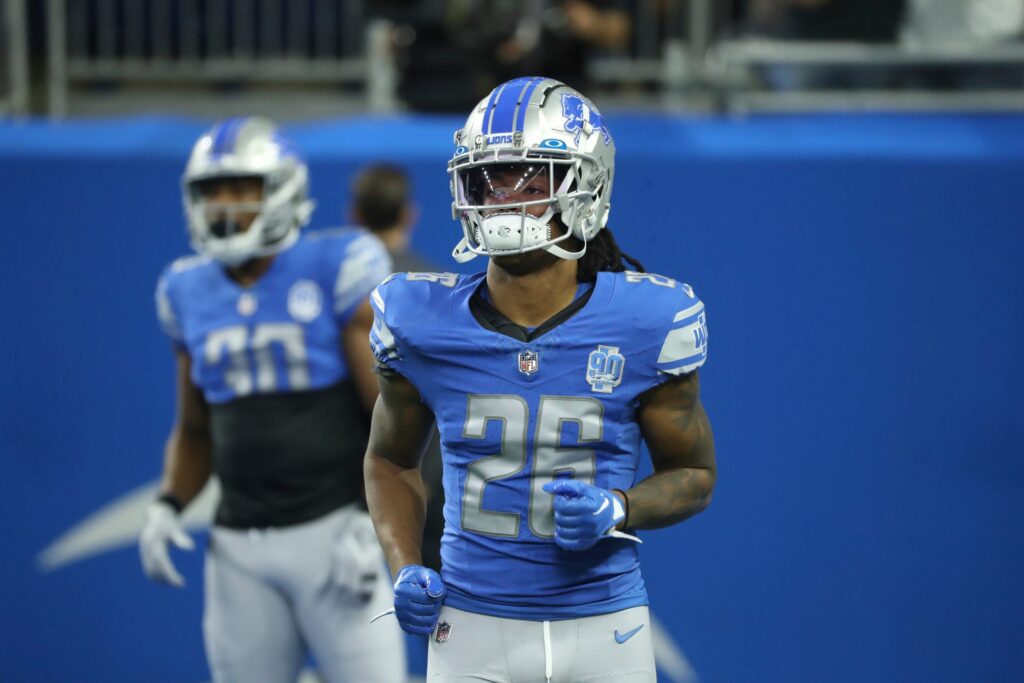
The Detroit Lions are exploring a contract extension for running back Jahmyr Gibbs ahead of what could be a busy summer in the front office. Per Pro Football Rumors, the team has shown sustained interest in keeping Gibbs around on a multi-year deal after his standout 2025 campaign—a move that arrives on the heels of the Lions securing linebacker Jack Campbell to a new agreement. The message is clear: Detroit is consolidating its roster around the players who delivered on offensive and defensive production.
Gibbs' 2025 season changed the calculus. After three years in the league, he transformed from a prospect with talent into a high-volume contributor. Contract extensions for 23-year-old running backs entering year three or four of their careers typically signal one thing: the team has unlocked consistent usage patterns and trusts the player to sustain them. Detroit isn't extending Gibbs on projection—they're extending him on track record from a full season of high-leverage touches. When a team moves to lock in a young RB before free agency winds and cap reset timelines, they're betting that the efficiency and volume he posted last year will repeat, not regress.
For Detroit, the financial logic also matters. Extending Gibbs now locks in a lower average annual value than waiting another year when his market price rises after a proven season. The Lions have already committed significant resources to quarterback Jared Goff and are managing tight margins. Securing Gibbs at a reasonable rate before his next contract cycle begins is efficient roster management—and it signals the team views him as a foundational piece of the run game, not a rotational complement.
From a prop-betting lens, this extension signals elevated confidence in Gibbs' volume consistency. Teams don't extend running backs at favorable rates if they suspect a decline in touches or efficiency. The Lions' willingness to negotiate suggests they plan to feed Gibbs high-volume work in 2026 and beyond—a signal that his rushing attempts, receiving targets, and total yardage floors are likely to remain elevated. If Gibbs posted 300+ rushing attempts and 60+ targets in 2025, the extension is the front office's public endorsement that those touch counts are sustainable, not anomalies. That matters for rushingyards and receptions markets: a team doesn't pay to keep a player around if they don't plan to use him. Gibbs' rushing attempts total and season receiving yardage props should lean toward the over side, since the organization just voted confidence in his usage patterns with contract dollars.
The Sam LaPorta extension possibility adds another layer. If the Lions are also working to extend a tight end entering a key contract year, they're doubling down on offensive consistency. Extended players tend to see maintained or increased volume in year one of a new deal, as teams justify the investment with on-field production. For 2026 fantasy props and season-long TD/yardage totals, extensions are directional signals pointing toward higher usage floors.