Burrow's Super Bowl Swagger Meets Reality: Can Cincinnati's Offseason Spending Deliver?
By Justin Erickson ·
Joe Burrow just declared the Bengals built to win it all, but roster talent and actual execution on a 17-game gauntlet are two different animals.
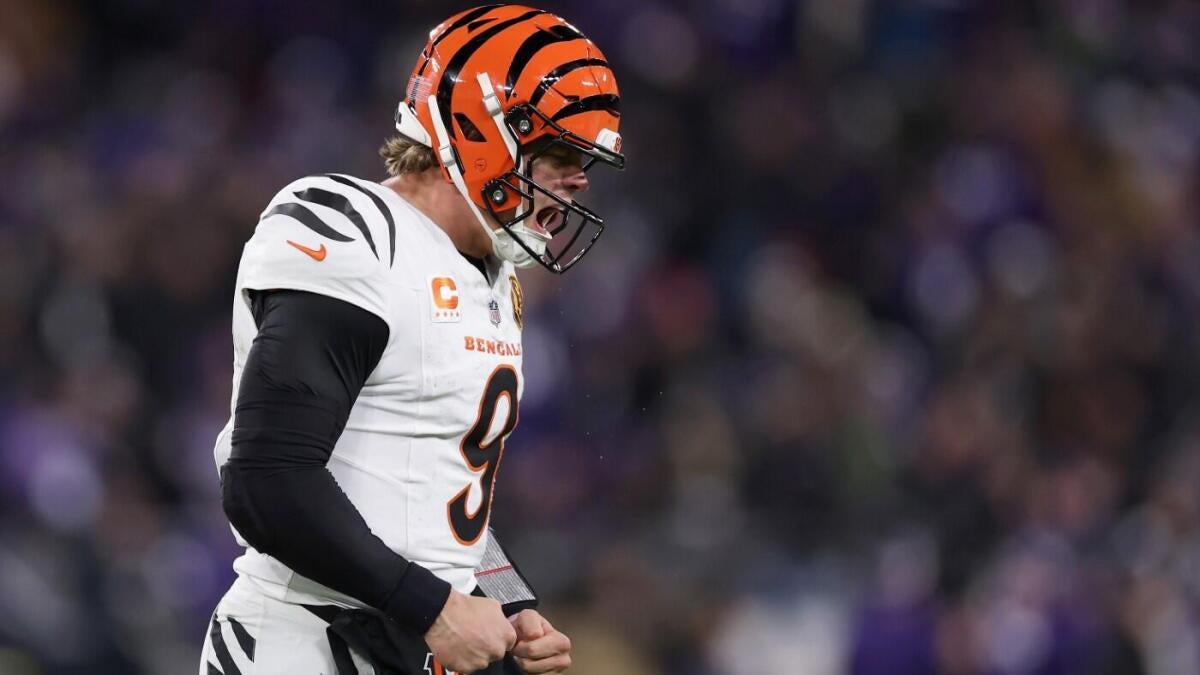
Joe Burrow walked into his first Wednesday press conference of the offseason and announced the Bengals are winning a Super Bowl. Not hoping. Not competing. Winning one. This wasn't bravado for the sake of headlines—Burrow spent the statement crediting Cincinnati's offseason overhaul: Bryan Cook at safety, Boye Mafe as a pass-rush complement, and a blockbuster trade for Dexter Lawrence that represents the most aggressive roster move the franchise has made in years. By Burrow's own measure, this is the most talented roster he's played with since arriving in 2020.
There's a structural case beneath the swagger. The Bengals hold the third-easiest strength of schedule in the NFL and sit favored in 15 of 17 games—tied for second-most in the league behind only the Rams. That positioning is real. The Patriots rode a similar third-easiest schedule into a Super Bowl appearance last year, so the path isn't fiction. But here's where the film diverges from the prediction: the Bengals are also 6-11 coming off last season and have a documented pattern of stumbling in high-leverage spots. Under head coach Zac Taylor, Cincinnati has won divisional games at a .500 rate, lost six of nine Week 2 contests, and hasn't won a home opener since 2021—the exact year it actually reached the Super Bowl. That's not noise. That's organizational rhythm.
The offensive mechanics matter most for Burrow's prop profile. His 2024 line was 1,809 yards, 17 touchdowns, and 5 interceptions across what appears to be partial-season action. In a full 17-game slate with an upgraded offensive line courtesy of Lawrence's arrival, Burrow's per-game average would suggest a 4,100+ yard pace—a number he's touched in previous healthy seasons. The real edge lives in week-to-week volatility, not season-long totals. Against the Texans' elite secondary in Week 2, Burrow operating on a short week against one of the NFL's best defenses projects to lower yardage and a higher interception probability. Against lighter secondaries—Jacksonville, Indianapolis, Tennessee appear multiple times—his passing volume should spike. The market likely prices a season-long passing-yards total somewhere in the 4,000-4,200 range based on Burrow's historical ceiling and the easy schedule. That's vulnerable to both upside and downside depending on game script. The divisional-game wobble is where the smart side operates: fade the Bengals' passing-volume props in Pittsburgh and Baltimore matchups even when they're favored. That's where Taylor's track record meets game script.
For prop bettors, the angle is surgical: Burrow's passing yards will cluster around his true-talent outcome (roughly 250 YDS/game in neutral spots), but the variance will be extreme. Build a two-tier model—elevated yardage props against bottom-third defenses (7+ games), depressed yardage props against top-10 pass defenses and in divisional road games (4-5 games). His touchdown rate should improve on last year's 17 TDs thanks to better field position and the offensive additions, but the interception rate will depend entirely on whether the new front seven actually generates early pressure that gives him clean pockets. Early-season games against Tampa Bay and Jacksonville are where Burrow's MVP-caliber play shows up in the stat sheet. Fade him modestly in the Houston and Pittsburgh matchups, and attack the anytime TD market in games three through seven when Cincinnati's expected run-game burden drops.