Cowboys Trade Depth for UFL Lottery Tickets as Hennessy's Neck Surgery Ends Interior Line Experiment
By Justin Erickson ·
Dallas moves a veteran lineman to injured reserve and cycles in three UFL signings—a roster-building approach that signals confidence in its current starting five but leaves interior offensive line depth untested.
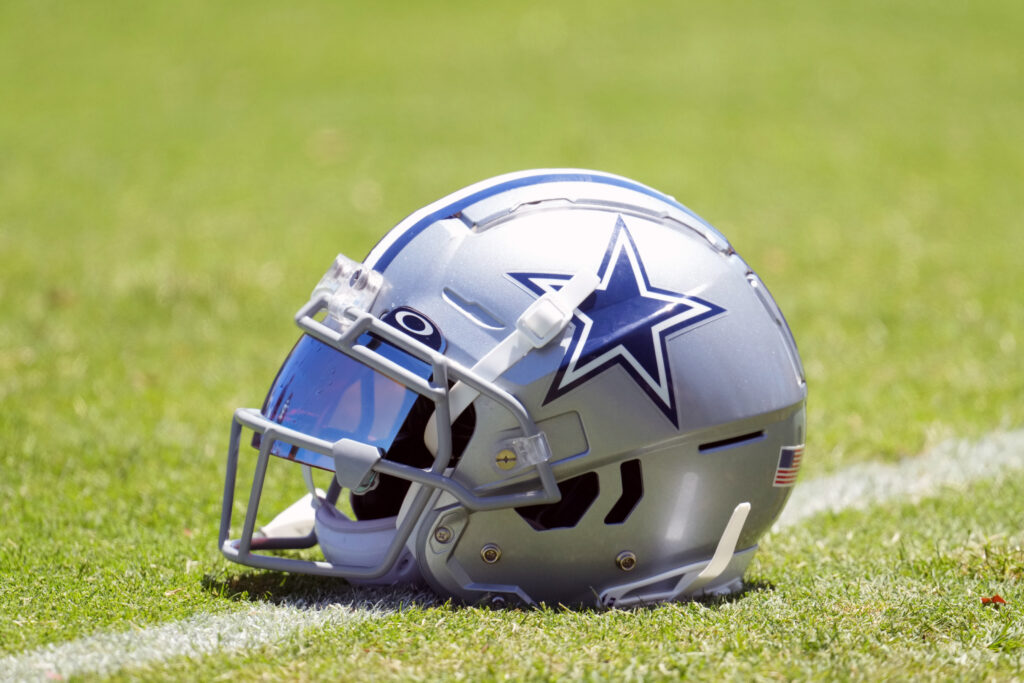
The Cowboys canceled their final minicamp practice Thursday and used the reset to remake the margins of their roster. Three UFL veterans—receiver Denzel Mims, cornerback Ameer Speed, and offensive lineman Chris Glaser—are being signed, per ESPN's Todd Archer. The corresponding moves are punts on depth: Matt Hennessy to injured reserve (ending his 2026 season barring settlement), cornerback Corey Ballentine and receiver Romello Brinson to the open market. The team enters training camp with one roster spot remaining and $5.6 million in cap space.
Hennessy's placement on IR is the most consequential transaction here. The veteran underwent neck surgery recently and will forgo the physically progressive ramp-up list process to focus on a longer recovery timeline. For an offensive lineman in his mid-thirties, neck procedures carry genuine durability risk in a 17-game season. Dallas is, in effect, writing off his availability for 2026 and clearing salary room to experiment with young depth. Glaser, who has logged eight career games with one start to his name, becomes the interior line reserve—a thin credential for a position that demands consistency week-to-week.
Mims and Speed represent the true volatility in this haul. Mims, 28, was a second-round Jets pick in 2020 who has since bounced through three NFL teams without sticking to a regular-season roster. He spent this spring in the UFL—the second-tier league designed precisely to recycle players who haven't secured NFL footing. Speed, 26, has been more durable on game rosters (four NFL teams, two Texans appearances in 2025) but is a special-teams-track candidate, not an offensive contributor. The Cowboys are banking that UFL tape reveals something the first three NFL evaluation cycles missed. It's a low-cost, high-ceiling bet that does not alter playoff odds if both washout by September.
From a Dallas passing-game standpoint, the Mims addition is immaterial to the Cowboys' QB prop ecosystem. The team's receiving depth chart has already solidified around its elite trio; Mims is a roster lottery ticket, not a red-zone target or reliable yardage contributor. A healthy Hennessy would have anchored calls on Dallas passing-yards totals by proxy—an adequate left side protects the QB longer. His loss of a full season removes one layer of offensive line continuity, but the Cowboys' tackle positions remain intact, and interior backups are rarely the difference in QB volume in a full season. Speed's arrival has zero passing-game impact; his best path is four snaps per special-teams package. The true prop consequence is Hennessy's absence creating slight volatility in offensive line cohesion during an already-crowded pre-season audition. If the starting five jells quickly, the impact is noise. If injuries to either tackle occur, backup interior depth becomes critical—and Glaser's one-start resume offers limited insurance.
The market has not repriced Dallas passing-yard or QB-running totals based on these moves because the moves do not substantially alter the team's ceiling. However, bettors monitoring line volatility should flag that the Cowboys have now consolidated depth risk along the interior in a way that elevates variance on team totals if injury strikes. Hennessy's injury history is a known factor already baked into preseason assessments, but the specific risk of backup-guard exposure with limited-resume talent in Glaser is incrementally worse than it was 24 hours ago. Dallas totals—particularly passing-yards team totals—may widen slightly as the market recognizes this compression in depth cushion, especially if Week 1 tape suggests the starters are carrying heavier pressure loads.