Colts Cut Kenny Moore II: What a Nine-Year Era's End Means for Indianapolis's Defensive Secondary Props
By Justin Erickson ·
When a team's longest-tenured cornerback walks out the door mid-offseason, it's not just a roster move — it's a signal about who's getting more snaps, more targets, and more fantasy and betting relevance in 2026.
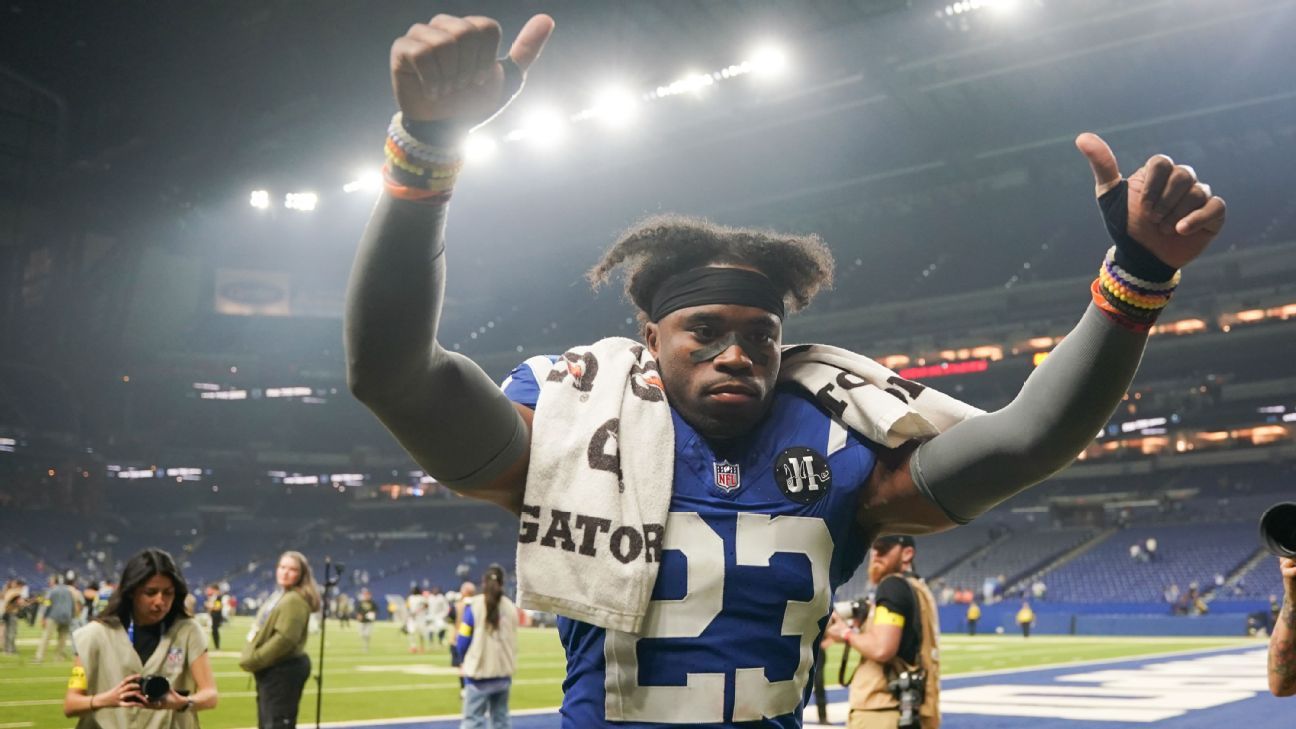
As ESPN reported, the Indianapolis Colts released veteran cornerback Kenny Moore II and safety Nasir Adderley on Thursday, ending Moore's nine-year run in Indianapolis and clearing just over $7 million in cap space. Moore, 30, had requested a trade after conversations with GM Chris Ballard, but with no deal materializing ahead of rookie camp, the Colts cut bait. The release closes the book on one of the most productive nickel cornerback careers in recent franchise history — 111 starts, 21 interceptions, 11.5 sacks, six forced fumbles — and opens a real competition for one of the more valuable defensive back roles in the league.
Moore's departure isn't just sentimental. He was the Colts' primary slot defender, and nickel corner is no longer a depth position in modern NFL defense — it's a starter by volume. Indianapolis ran nickel or dime packages on a majority of their defensive snaps last season, meaning whoever steps into Moore's role will see significant field time against opposing slot receivers. That's a critical detail for prop bettors tracking opposing wide receivers and tight ends when they face the Colts. Moore, despite his age, was still a reliable coverage presence. His replacement — almost certainly a younger, less proven defender — will be a meaningful step down in quality.
Adderley's release compounds the secondary reshuffling. The former second-round pick never fully lived up to his draft pedigree in Indianapolis, but his exit alongside Moore signals a broader youth movement in the Colts' defensive backfield. Ballard will likely address the cornerback room through the rookie camp pipeline or free agency additions, but expect a transition period. New starters take time to develop chemistry, communication, and positioning — and offenses will exploit that early in the 2026 season.
For prop bettors, the immediate implication is straightforward: receivers who operate heavily in the slot — think Cole Kmet types when Chicago visits, or any team deploying a high-usage slot weapon — become more attractive over targets when facing Indianapolis in 2026. Early-season games in particular, before any replacement has settled in, are worth flagging. Colts opponents' slot receivers and tight ends should see elevated receiving yards and receptions props relative to their season-long baselines. On the defensive side, the Colts' own tacklesassists and interceptions props for their secondary will be worth monitoring downward — Moore's 21 career interceptions weren't flukes, and that production doesn't simply transfer to a rotation-level replacement.
From an Indianapolis team-total and spread perspective, defensive regression in the secondary isn't a death sentence for a unit built around a strong defensive front, but it does soften the ceiling on close-game outcomes. The Colts were a middle-of-the-pack defense last year, and losing their most experienced coverage defender without a clear replacement narrows their margin for error. Watch for inflated opponent receiving props in early-window Colts games — that's where the market is most likely to underreact to this roster change.