Gordon's Injury Pattern Tests Bears' Secondary Depth Before Camp Opens
By Justin Erickson ·
Chicago's highest-paid nickelback enters training camp on the PUP list with another soft-tissue injury, forcing the Bears to lean on unproven slot coverage just as defensive coordinators prepare their scheme.
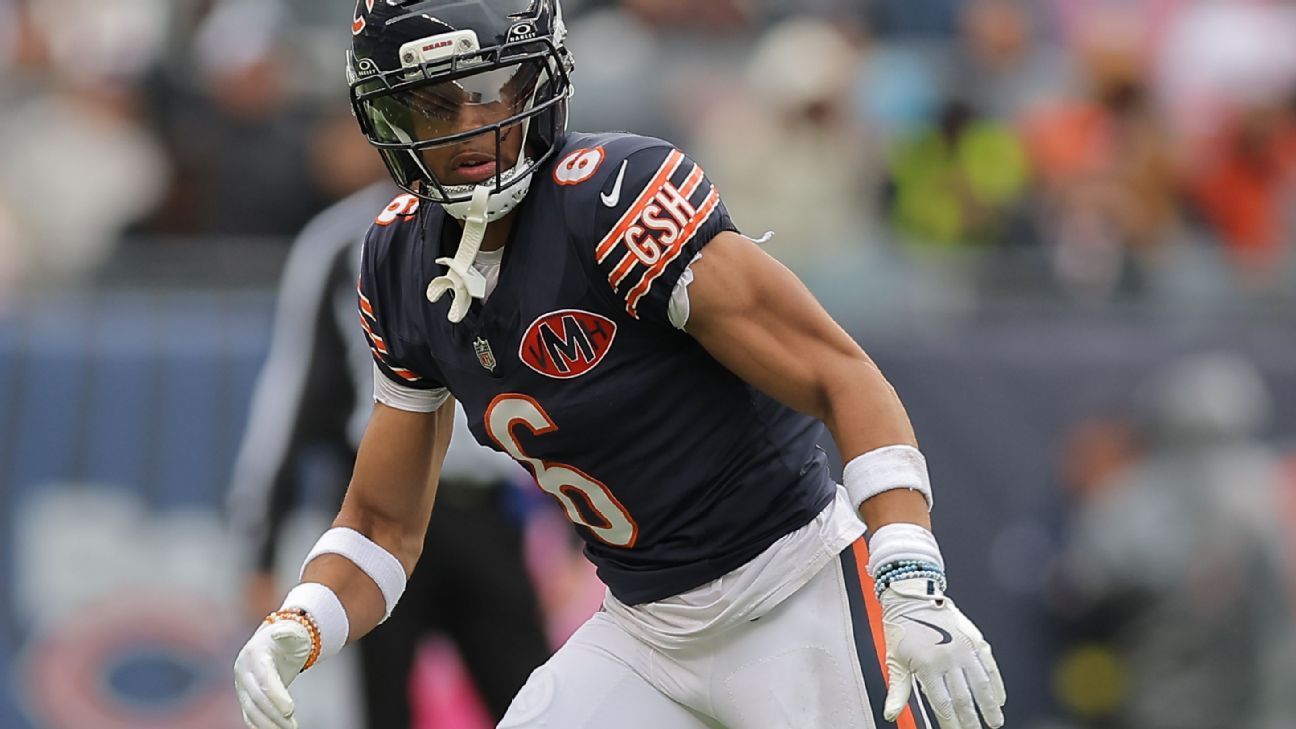
Kyler Gordon will start Chicago Bears training camp on the physically unable to perform list, sidelined by a calf injury sustained during the offseason. The timing is brutal: as Ben Johnson's defensive staff shapes the unit, the team's most expensive defensive back—locked into a three-year, $40 million extension signed in April 2025—will be watching from the sideline rather than competing for reps. GM Ryan Poles did not provide a return window, only confirming that Gordon experienced a "delay" in recovery despite working with team trainers at Halas Hall through the summer.
This is the third straight season Gordon has entered camp or early-season play hamstrung by injury. Last year, he missed the majority of training camp and appeared in only five games across two injury reserve stints. The year before, similar availability issues forced the Bears to pivot their secondary rotation repeatedly. Poles acknowledged the pattern with visible frustration: "A little bit of a repetitive situation that we've got to get fixed." The implication is clear—the team's conditioning plan, whatever its design, has not produced the durability the contract promised. When Gordon does return, Poles signaled he will need to re-establish trust through performance, not walk back into a starting role.
The secondary depth problem surfaces immediately. C.J. Gardner-Johnson, who filled the nickel void last season with 10 appearances and seven starts, has since departed for Buffalo. That leaves Josh Blackwell and rookie Malik Muhammad as the primary fill-in options—both with minimal slot corner experience. For a team attempting to install a new defensive scheme with a new play-caller, continuity at the nickel position matters. Nickel represents 25 to 35 percent of modern NFL defensive snaps depending on formation tendencies, and switching personnel in and out of that role creates communication breakdowns, assignment confusion, and coverage windows for opposing quarterbacks.
From a betting perspective, Gordon's absence ripples through Chicago's defensive secondary projection. Defenses with unsettled cornerback rotations—especially at the high-usage nickel spot—typically surrender 4 to 6 additional yards per completion in the middle of the field, where nickelbacks operate. When the Bears face spread offenses that attack slot coverage in Week 1 or early September, expect opposing passing totals to carry +6 to +8 yards of expected value relative to season-long averages. Malik Muhammad is a rookie; Blackwell has not demonstrated consistency at the position. The market may not yet have adjusted for the specific liability of untested slot coverage in a division (NFC North) that sends more formations into the slot than league average. If Gordon misses even the first 4 to 6 weeks, the Bears' defensive efficiency rating could dip meaningfully relative to pre-camp projections, inflating opponent passing yards and completion percentage props.
The longer-term concern is whether Gordon's injury pattern reflects a systemic issue with the training staff's periodization model or a personal movement quality problem that no conditioning can solve. Poles hinted at the former—the plan "hasn't stuck"—but Poles must also consider the possibility that Gordon's body composition or movement mechanics make him vulnerable to soft-tissue tears regardless of offseason protocol. If the injury recurs within 8 weeks of return, it signals a structural problem, not a contingent one. The Bears will have to make a roster decision on a player they paid like a tier-one cornerback but who has delivered tier-three availability.