Lakers' Kuminga Pursuit Stalls on Salary-Cap Math—and That Changes the Roster Calculus
By Justin Erickson ·
By mortgaging cap flexibility to lock in role players, Los Angeles has undercut its own pitch to a wing it desperately needs, reshaping how this team spaces the floor around Doncic.
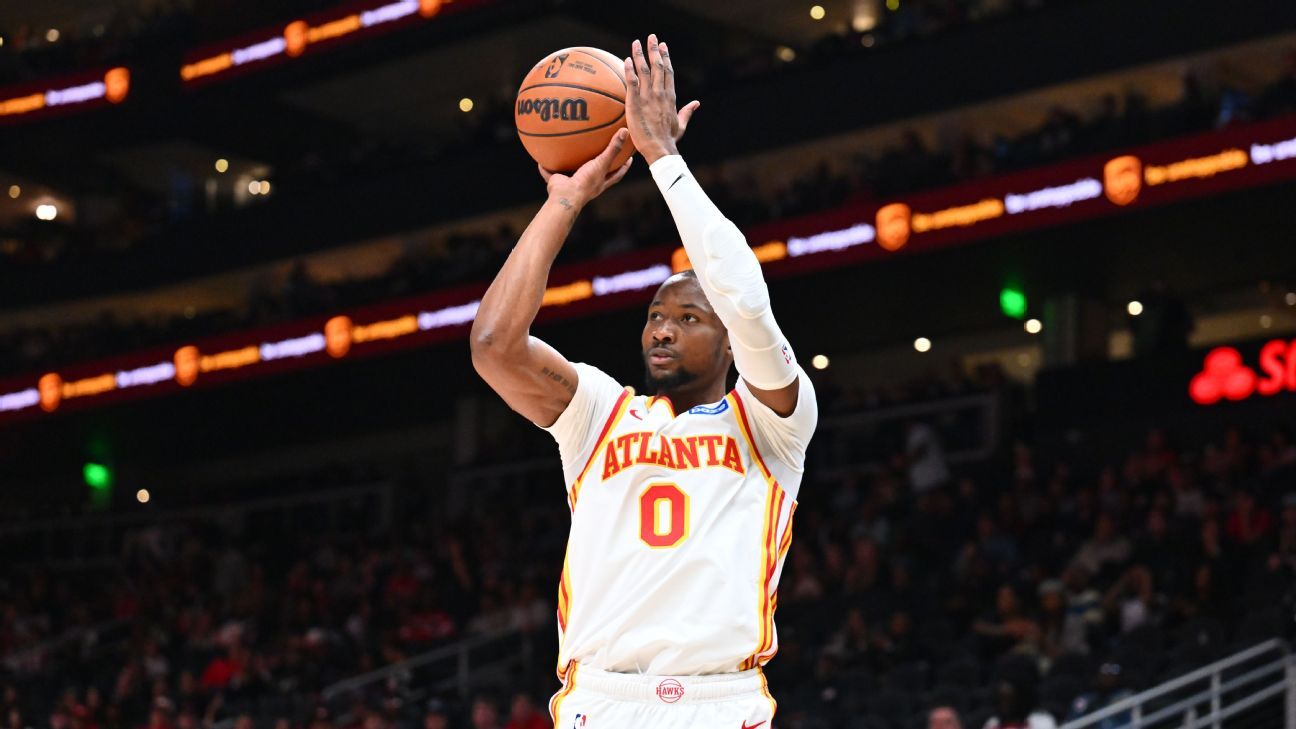
The Lakers continue pursuing Jonathan Kuminga, but they've engineered their own obstacle. After Atlanta declined his $24.3 million team option on June 29, Kuminga met virtually with Lakers GM Rob Pelinka and coach JJ Redick the next day. They sold him a clear role: high-usage wing in a spacious offensive system alongside Luka Doncic. Then the Lakers spent down their salary room signing Walker Kessler, Sandro Mamukelashvili, Quentin Grimes, and Collin Sexton—leaving almost nothing left for Kuminga's actual contract. The organization pivoted to a soft-sell campaign instead: Pelinka staying in touch with agent Aaron Turner, other roster members texting recruits, incremental offer improvements. But it hasn't landed. Kuminga and Turner see better deals coming as the offseason carousel turns.
The math explains the stall. Atlanta remains open to facilitating a sign-and-trade that preserves Kuminga's Bird rights, but only if the Lakers sweeten the deal with tradeable assets. Los Angeles has candidates: Jarred Vanderbilt, Dalton Knecht, Jaden Hardy contracts, plus three second-rounders and a 2032 first-swap. But pairing one of those with an improved cash offer requires Pelinka to undo the recent signings—a political non-starter when Kessler, Grimes, and Sexton just got announced to the fanbase. Cleveland also lurks; Kuminga's three-year history with Kenny Atkinson as an assistant in Golden State creates real comfort there. The Cavaliers are preoccupied with the LeBron James negotiations, though, making the Lakers the more aggressive active bidder for now.
From a roster construction angle, this Kuminga miss cascades. Without him, the Lakers lack a secondary shot-creator who can operate in space—a tool essential when defenses collapse on Doncic in pick-and-roll or when spacing demands a second ball-handler. Grimes is a spot-up floor-spacer; Sexton is a depth combo guard. Kessler adds verticality but demands touches in the post. None address the wing creation gap the front office identified when pitching Kuminga. If Kuminga lands elsewhere—most likely Cleveland or back with Atlanta on a cheaper deal—the Lakers roster enters the season with a narrower playmaking tree and fewer ways to generate offense when Doncic draws double-teams.
For prop bettors, this creates two layers of consequence. First, Doncic's assist rate likely tightens. In his previous seasons, perimeter creators and secondary ball-handlers expanded his potential assist volume by giving him more viable dump-down targets and off-ball cutters. Without Kuminga's creation ability, pick-and-roll gravity concentrates on fewer players, reducing Doncic's playmaking ceiling in games where coverage is stacked. His assists-plus-rebounds total (a common combo prop) becomes more reliant on rebounding activity and less on the secondary playmaking that allows him to rack up 10+ assists in favorable matchups. Second, the Lakers' overall offensive ceiling flattens. The team's pace and efficiency depend on multiple shot-creators rotating; without Kuminga, volume concentrates with Doncic, Kessler, and undersized guards who lack the positional flexibility Kuminga offers. This is a 2-3 win swing in preseason projections—not catastrophic, but material.
The timing of this pursuit also matters. Free agency dominoes are still falling; Kuminga is holding pattern, betting better offers emerge. If he signs elsewhere in the next week or two, the Lakers' roster construction is locked in and the Doncic playmaking discount becomes a season-long reality. If he somehow returns to Atlanta on a lower salary than his declined option, the Hawks become a darker matchup problem, and the Lakers lose an internal upgrade path. Either way, the window to salvage this addition is narrow—roughly 5-10 business days before the tier of available free agents drops and Kuminga's market hardens.