Kawhi's Agent Swap Signals Toronto Extension Play—and the Market Hasn't Fully Priced It
By Justin Erickson ·
Harrison Gaines replacing Mitch Frankel in Leonard's camp suggests the star is serious about a long-term Raptors commitment, reshaping how Toronto allocates salary cap space in the years ahead.
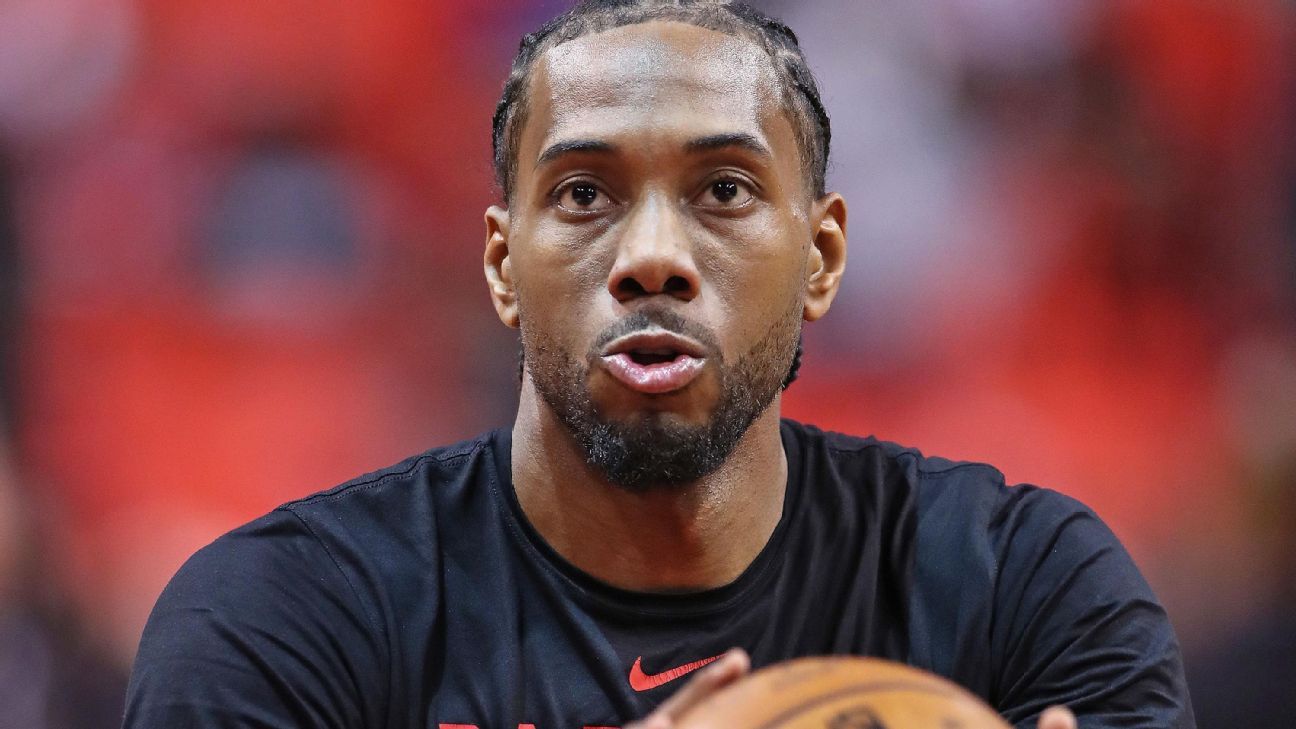
Kawhi Leonard has hired Harrison Gaines of SLASH Sports as his new agent to handle his Raptors negotiations, ESPN reported on July 6. The move marks a clean break from Mitch Frankel, who represented Leonard through his 2024 extension with the Clippers, and from the informal structure where Leonard's uncle Dennis Robertson co-managed his business affairs. Gaines, who spent the past year working with Leonard as a business attorney, will meet with Toronto front office executives this week to discuss a contract extension. Leonard carries one year and $50.3 million remaining on his deal; the Raptors acquired him from the Clippers on June 30 in exchange for Brandon Ingram, Gradey Dick, future first-round picks, and secondary capital.
The agent change carries real structural weight. Agent swaps at Leonard's tier of stardom are rare and deliberate—they signal a reset in how a player approaches contract talks and organizational relationships. Frankel negotiated from a position of leverage (Leonard already held max security with the Clippers); Gaines steps in with a different mandate: lock in a long-term commitment to a franchise Leonard voluntarily chose over other bidders. Leonard made clear to the Clippers that he would only accept a trade to Toronto, effectively vetoing Minnesota and Detroit despite their interest. That veto power matters. It tells the Raptors that Leonard's preference for the city, the organization's front office stability under Bobby Webster, and his unfinished business from the 2019 championship run all weigh more heavily than maximum market value elsewhere.
Gaines's entry into these talks is a procedural signal that Leonard intends to move fast. Business attorneys typically transition to agent roles when a player is ready to execute—not explore. The timing (contract talks expected to begin this week, trade official Monday) compresses the window and suggests neither side expects prolonged holdout dynamics. Toronto is positioned to offer Leonard a four-year extension in the $200+ million range, anchored to his remaining prime years (he turns 33 in June 2027). The Raptors front office has already signaled this is a "go-all-in" trade; extending Leonard removes ambiguity and locks his salary against the team's future cap sheet.
For prop bettors, this structure has two implications. First, Leonard's scoring workload over the next 12 months stabilizes at a higher floor than his Clippers tenure, because Toronto's roster construction (thin guard depth, weak wing options outside Leonard) will force offensive usage through him. His 2019 Finals average of 28.5 PPG is not a reasonable floor—he was 31 then, and load management shaped his Clippers seasons—but a 25-27 PPG band becomes durable for the full season if he stays healthy. Second, the organizational velocity around extension talks suggests Leonard will be available and operational for training camp and the regular season opener without holdout risk. Teams rarely negotiate multi-year extensions in July without the player already committed to showing up in October. The new agent relationship removes an intermediary and signals alignment on timeline and numbers.