Embiid's Health Narrative Meets Durability Reality
By Justin Erickson ·
The 76ers president's optimism about Joel Embiid's summer condition collides with a three-year injury pattern that bettors shouldn't ignore.
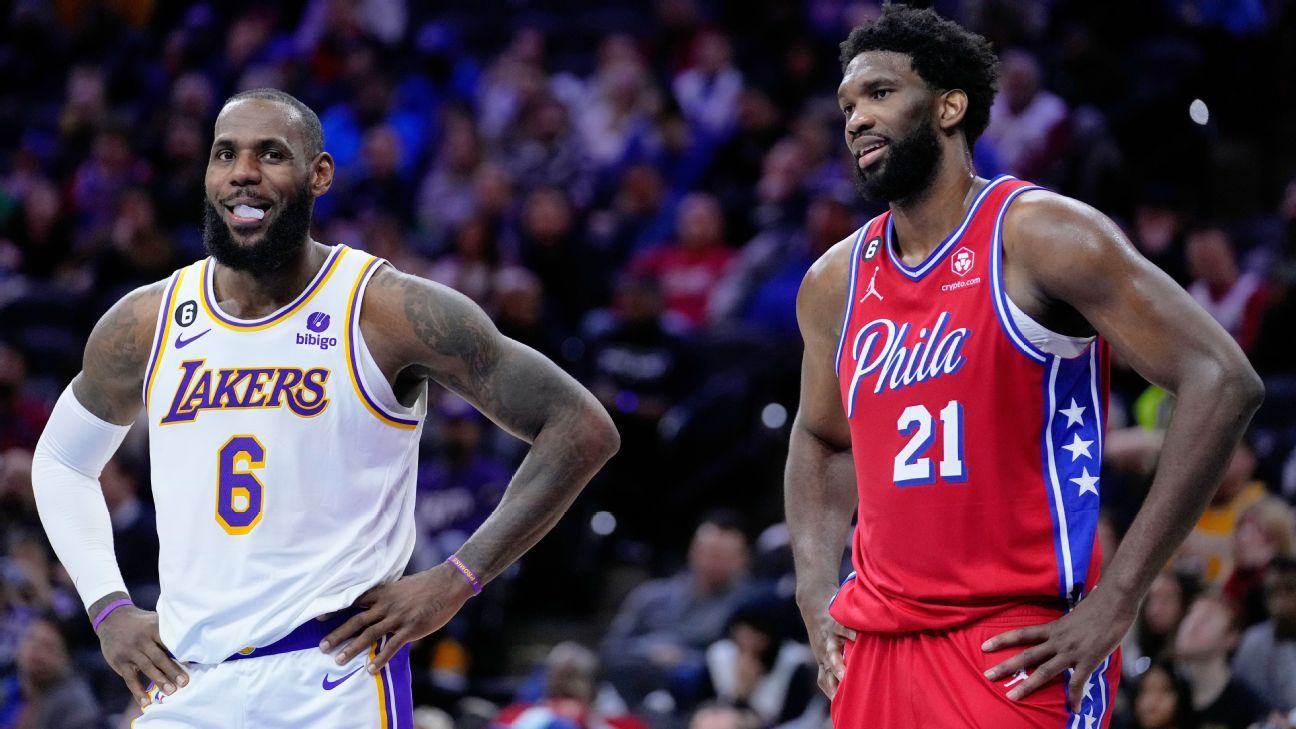
Philadelphia 76ers president of basketball operations Mike Gansey declared Thursday that Joel Embiid is healthy and "extra motivated" heading into the 2026-27 season, citing the star center's first injury-free offseason in years and his enthusiasm over the additions of LeBron James and Jaylen Brown. The messaging is intentional: Gansey wants the market—and the fan base—to believe the Sixers have built a championship core while their franchise centerpiece is finally available.
But the data whispers a different story. Over the past three seasons, Embiid has played 96 regular-season games combined. In 2025-26 alone, he suited up for just 38 games, underwent emergency appendectomy surgery in April, returned for one playoff game against Boston, then sat out Philadelphia's entire second-round series against New York due to ankle and hip injuries. That's a 7-of-11 postseason availability rate—a floor, not a ceiling, for a player the franchise will lean on in close games. Gansey's own words confirm the uncertainty: the team has not yet decided how many games Embiid will play in the regular season and plans to "map it out" once the schedule drops. That's not confidence. That's contingency planning.
The Sixers' summer moves—trading Paul George and four draft assets for Brown, then landing James—are predicated on Embiid's health. If he plays 40-50 games at full intensity, the ceiling is contention. If he logs 35 games and exits the playoffs early due to another injury, the Sixers have mortgaged assets for a window that may not materialize. Gansey's framing is spin designed to reset expectations after a brutal 2025-26 campaign; it doesn't alter the structural risk.
For prop bettors, this creates a durable edge: Embiid's season-long scoring and efficiency lines will likely be set as if he's available for 70+ games at MVP-level output. The market has internalized the narrative of a healthy, motivated superstar with new co-stars. What it hasn't priced in is the historical probability that his body will again force Philadelphia to navigate a playoff run without him. Buy unders on his season total points prop and his rebounds line. The games he misses—not the 38-40 he plays at peak form—will pull down the full-season average. Similarly, team win totals for Philadelphia should be faded; the market is pricing in a healthy Embiid, but three years of injury data suggests that's an optimistic case, not the base case.