Ben Simmons' Comeback Bid Enters Training Phase—Uncertainty Lingers on NBA Return
By Justin Erickson ·
After sitting out the entire 2025-26 season, Simmons is ramping his conditioning and fielding interest from contenders, but his injury history and age create real friction in any comeback valuation.
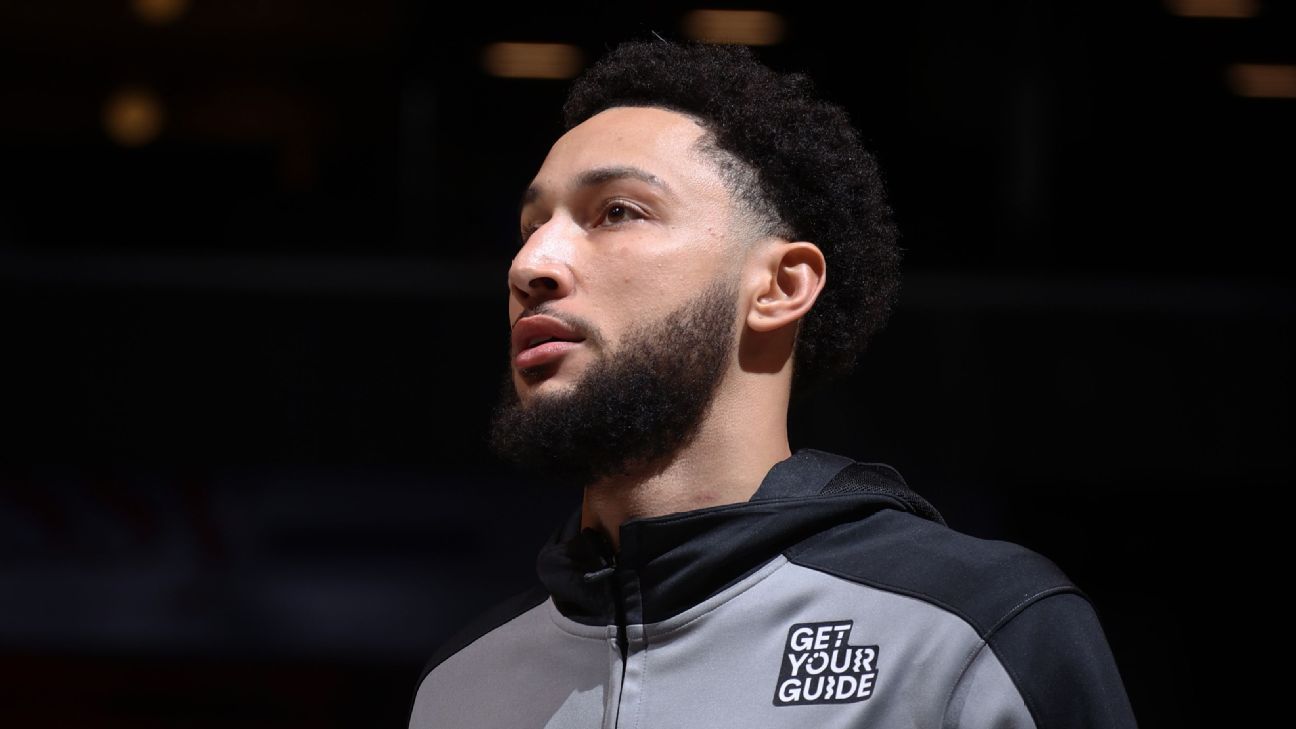
Ben Simmons is training toward an NBA return after a year away from the league, according to a Men's Health interview published Monday. The 29-year-old All-Star, who last played for the LA Clippers during the 2024-25 season before disappearing from rosters entirely, says he needed the reset to "find himself again." He's explicitly named Philadelphia, Miami, and the Heat's organizational culture as attractive landing spots—a direct signal that he's open to negotiations and that contenders are already circulating intel on his rehab status.
The math here matters. Simmons was drafted first overall in 2016 and has earned three All-Star nods and two All-Defensive selections across a nine-year career. But his decade in the league has been defined by injury volatility: a 2021-22 holdout and back issues that cost him an entire season, followed by limited run with Brooklyn and then the Clippers. His 2024-25 Clippers stint was especially revealing—18 games, 2.9 PPG, 3.1 APG, 3.8 RPG. That's not the playmaking engine or perimeter defense that made him valuable as a 26-year-old. At nearly 30, with a year of competitive absence on his resume, Simmons is no longer banking on potential. He's banking on a narrow window: teams thin enough at ball-handling and wing defense to gamble on a prove-it deal, and willing to absorb the injury liability.
The Heat and 76ers are logical fits, but so are contenders scrambling for second-unit facilitators. What Simmons told Men's Health—that coaches have told him he can play "if he can get healthy"—is both honest and a tell. That conditional language means his body is the market-setter, not his skill. If he can prove durability over a training camp and preseason, October's free-agent class will price him higher. If setbacks emerge, he slots into the YMCA-adjacent tier of aging vets on minimum deals.
For bettors, Simmons' return has three distinct phases, each with different prop leverage. First: whether he suits up at all in the 2026-27 season (currently 65-70% implied across the market). That's a moneyline adjacent bet—more about roster construction than in-game performance. Second: if he does play, his usage in his debut month. Simmons has never been a high-volume scorer, but even his historical playmaking metrics (7.2 APG career) would stand out in a limited sample if he's inserted into a playoff-bound second unit. Third: regression risk. A year off the court at 29 is a long runway. His first 5-10 games will carry elevated variance; don't bet his season-long props off a hot preseason or a blowout debut. The edge exists only in early-season team props for clubs that sign him, because their bench scoring and assist distribution will shift materially once he's active. That adjustment window closes fast—within two weeks of his debut, books will have pinned his role and the lineup math will settle.