NBA · transaction
Pistons Face October Deadline on Duren: Roster Crunch Threatens Playmaking Depth
Detroit's contract standoff with All-NBA center Jalen Duren heads toward a mid-October decision point, but the bigger playoff problem is whether the team's backcourt can handle secondary ball-handling duties.
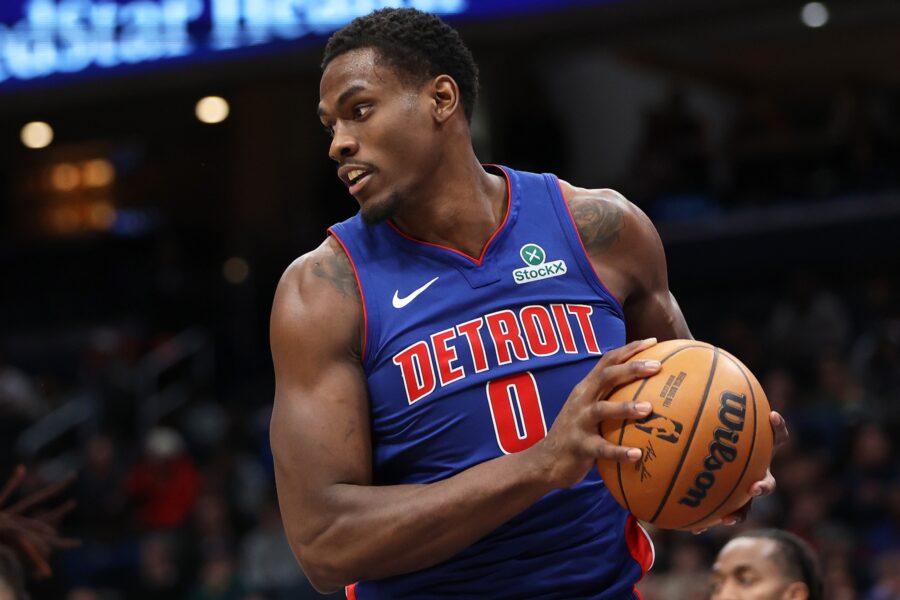
The Detroit Pistons have placed a hard cap on their offer to restricted free agent Jalen Duren, setting October 1st—roughly 54 days away—as the functional deadline before he can opt into a $9.6 million qualifying offer and test unrestricted free agency in 2027. Per reporting from The Detroit Free Press, neither side appears willing to extend negotiations into the regular season, leaving just over seven weeks to bridge what sources characterize as a significant gap in their contract expectations. Duren's agent and the team remain locked in a negotiation where loyalty signals (Penny Hardaway's recent comments about Duren's commitment to Detroit) matter less than cap math and precedent.
The Duren holdout masks a deeper structural vulnerability: Detroit's perimeter playmaking depth remains alarmingly thin. The Pistons won 60 games last season and captured the No. 1 seed in the East, but nearly lost to Orlando in the first round and dropped to Cleveland in seven games in the second round—both series revealing an over-reliance on Cade Cunningham as the primary facilitator. The team invested in outside shooting this offseason (Isaiah Joe, John Collins), but has done comparatively little to add secondary ball-handlers. Daniss Jenkins, a second-year guard, and Ausar Thompson are the backup options, a pairing that projects as competent at best. Ebuka Okorie, the 17th overall pick, may eventually provide ball-handling depth, but Summer League tape suggests an adjustment period lies ahead.
This ball-handling gap compounds in playoff intensity. Regular season coverage of Cunningham often allows him to operate in space against switching defenses; playoff teams will funnel resources directly at him, forcing reliance on cutters and off-ball movers who themselves need playmakers to free them. The secondary facilitators currently in place—Jenkins especially—lack the creation gravity to generate consistent advantage in half-court playoff settings. If Duren does depart (either now via sign-and-trade or next summer), losing a big who can roll to the rim and operate as a short-roll decision-maker further narrows Detroit's offensive flexibility in crunch time.
For prop purposes, the immediate impact lands on Cunningham's assist line if Duren signs elsewhere or if the team executes a major midseason move. His season average sits near 7.4 assists per game, but in playoff seconds rounds (small sample), that number compressed to 6.8 APG as defenses tightened coverage and Jenkins/Thompson couldn't reliably generate secondary actions. If the Pistons carry into December with unproven second-unit playmaking and a Duren cloud hanging over roster morale, Cunningham's assist props will face downward pressure—expect under-friendly lines once the regular season begins. Conversely, if Duren inks a long-term deal in the next two weeks, his workload intensity normalizes and Cunningham relief increases slightly (more spacing, fewer defensive bottlenecks). The binary outcome—Duren stays or departs—essentially controls Cunningham's October-November assist variability; the market hasn't yet priced in how many possessions the Pistons will scrap in half-court offense due to depleted secondary creation.