NBA
Brad Stevens Wins Executive of the Year Again — And the Celtics Are Still a Finals Threat Because of It
The man who gutted a championship roster and somehow kept Boston in contention deserves more credit than a trophy.
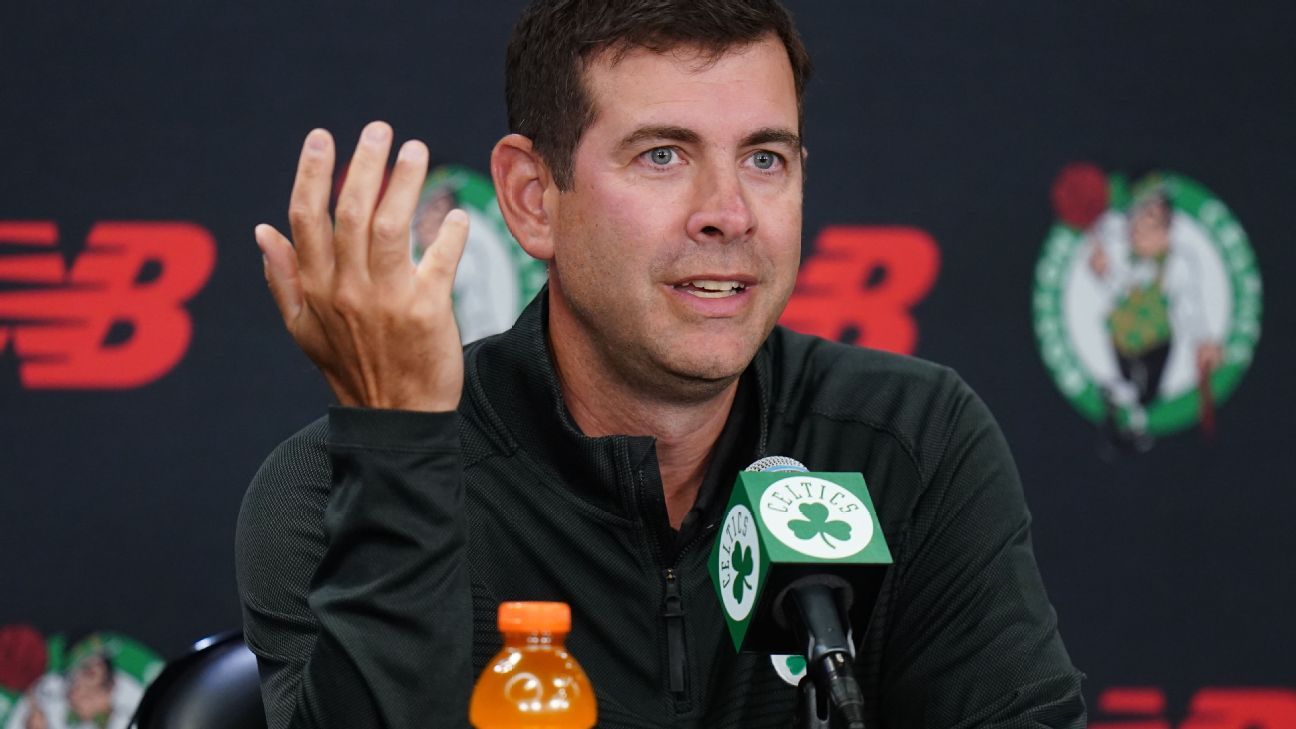
As ESPN reported, Brad Stevens claimed his second NBA Executive of the Year award in three seasons on Monday, collecting 11 first-place votes from a panel of 30 team executives. The recognition isn't ceremonial — it's a referendum on one of the more quietly brilliant roster management jobs in recent memory. Stevens dismantled four contributors from a team that earned the East's No. 2 seed, absorbed the luxury tax fallout, and then landed Boston right back at No. 2 in the East with a legitimate championship window still open.
The mechanics of what Stevens pulled off matter here. Shedding payroll at that level — four rotation pieces from a title-caliber roster — without falling into a rebuild requires precise player valuation, cap fluency, and a willingness to bet on development over comfort. The Celtics didn't just survive the transition; they replicated their seeding. That's not luck. That's front-office infrastructure operating at a high level, which is exactly why Stevens appeared on 17 of 30 ballots despite competition from Detroit's Trajan Langdon (overseeing one of the league's most dramatic turnarounds with the Pistons) and Atlanta's Onsi Saleh.
The broader award landscape matters for bettors paying attention to the postseason picture. Victor Wembanyama is the unanimous Defensive Player of the Year. Shai Gilgeous-Alexander took Clutch Player of the Year with 96 of 100 first-place votes. Cooper Flagg is the Rookie of the Year. These aren't footnotes — they're confirmation signals for where the real power sits heading into the conference finals and beyond. Boston, San Antonio, and Oklahoma City are the organizations that keep appearing in these conversations, and the market should be treating them accordingly.
For bettors, Stevens' award is a useful proxy signal: this Celtics organization has structural competence at every level. That matters when pricing futures and team totals deep into a playoff run. Boston's current championship odds — still live as a No. 2 seed in the East with an intact core — may be undervalued relative to the organizational stability Stevens has demonstrated. The Celtics aren't a one-star team held together with duct tape; they're a system. Derrick White winning the Sportsmanship Award (a player-voted honor) and Joe Mazzulla remaining a Coach of the Year finalist reinforces the cohesion narrative from top to bottom.
If Boston advances deeper in these playoffs, the market will be forced to reprice their odds in real time. Getting ahead of that now — before the bracket compresses further — is where the edge lives. Stevens building a repeat No. 2 seed out of a stripped roster isn't a storyline. It's a competitive indicator, and sharp money should be treating it as one.