Minnesota Pivots From Morant; Randle Exit Opens Guard Market
By PropBetEdge Editorial Team ·
The Timberwolves are shedding salary and hunting secondary ball-handlers instead of Memphis' star—a reset that reshapes their backcourt ceiling and floor.
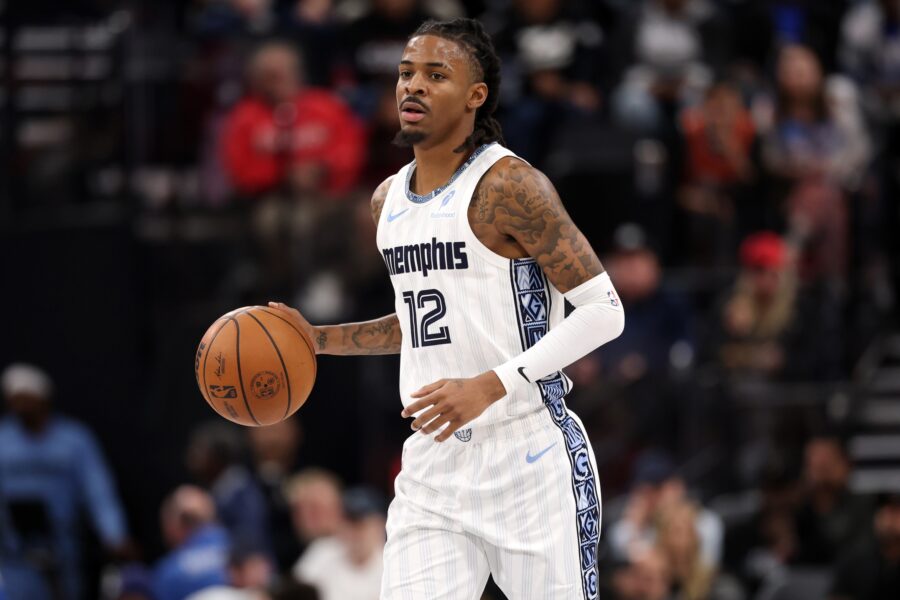
The Timberwolves have stepped back from pursuing Ja Morant, per reporting from The Athletic, and are instead exploring other guard options as the trade market heats up. The decision comes alongside Minnesota's plan to offload Julius Randle's contract to Brooklyn—a move that clarifies the franchise's offseason direction and alters how much flexibility they retain for backcourt upgrades.
Randle's departure removes a $28.4M anchor from the payroll, freeing Minnesota to operate in the mid-tier free-agent and trade markets. The Wolves were unlikely to land a max-caliber player anyway; Morant's asking price—both in salary and trade assets—made him a non-starter once Randle remained on the books. Clearing that space doesn't suddenly unlock a title-contender trade, but it does allow Minnesota to chase secondary creators: guards like Derrick White or Josh Giddey are the targets, according to league sources. Those acquisitions fit the Wolves' timeline better than a Morant gamble, which would have required consolidating assets to match salary and still left the backcourt thin.
Minnesota's offense runs through Anthony Edwards and Karl-Anthony Towns; the Wolves' spacing and two-man chemistry with those two is already elite. What they lacked last season was reliable tertiary playmaking and perimeter defense—two areas where Morant doesn't solve the problem and might exacerbate the spacing issues. A defender-first facilitator like White, or a young upside play like Giddey, addresses both gaps. White's assist-to-turnover ratio ranks in the 94th percentile; Giddey's rebounding and passing at 6'8" give Minnesota lineup versatility the Morant deal wouldn't buy.
For bettors, the Randle exit is the real catalyst. It signals Minnesota won't chase hero-ball guards on veteran minimum deals or micro-trades; instead, they're building depth. That's a ceiling play on team total offense for the 2026-27 season. The Wolves' pace and three-point rate will remain stable under coach Chris Finch, but their assist volume improves if they land a true secondary ballhandler. If Minnesota acquires White or Giddey, expect their team total assists to settle 1–2 dimes higher than preseason projections, and their effective field-goal percentage to climb 1–2 percentage points as spacing tightens and turnovers decline.
The Morant rejection also clarifies risk for anyone betting on Minnesota's playoffs odds or seed. A year ago, some sharp money saw Morant as a 15-win swing in the West; that thesis has evaporated. The Wolves are instead building a deep, balanced roster. That doesn't win championships single-handedly, but it's a steadier foundation for over-season prop consistency than a Morant-led gamble would have been.