NBA · transaction
Kings Trade Back Into First Round for Karaban; Roster Construction Signals Shift Away from Lottery Upside
Sacramento sacrifices draft capital to secure a known commodity, telegraphing a preference for NBA-ready depth over lottery-tier ceiling plays.
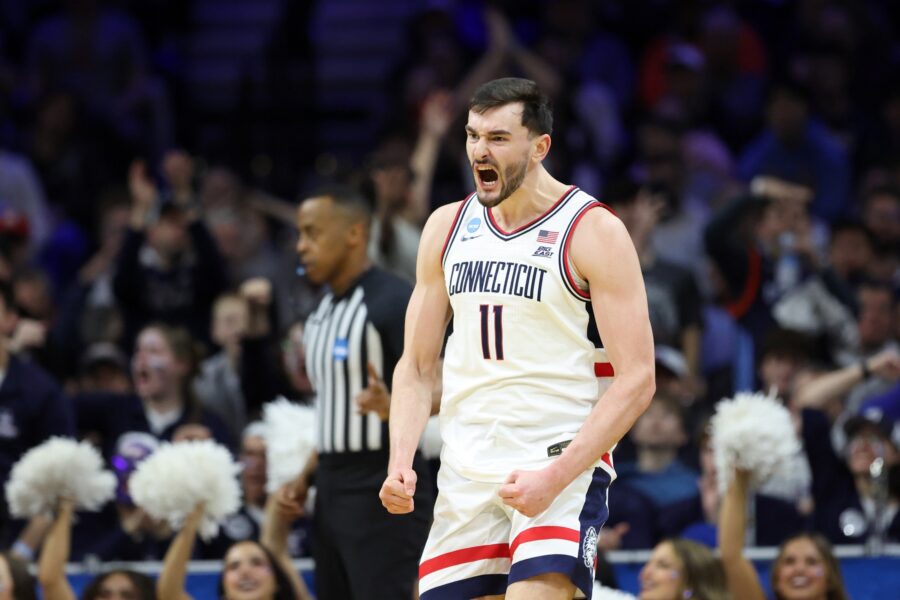
Sacramento acquired Cleveland's No. 29 pick on Tuesday, surrendering its No. 34 selection and a future second-rounder to do so. The Kings immediately deployed that asset on UConn forward Alex Karaban, a 6'9" floor spacer with four-year college film and limited athletic ceiling—precisely the type of acquisition that reveals front-office philosophy in real time.
Karaban projects as a rotation forward: competent three-point volume (40% from deep at UConn), functional defensive versatility, and zero mystery. He is not a lottery gamble. He is not a reclamation project. The Kings, in essence, paid five picks worth of future optionality (No. 34 plus a second) to sidestep the variance of picks 29-33 and lock in a known NBA player.
This move lands in a season where Sacramento has been treading water in the Western Conference basement—39 wins, 42 losses, and no clear developmental breakout. The front office's urgency to add structure-first talent, even at the cost of future flexibility, suggests internal acknowledgment that lottery-ticket gambles have underperformed the team's rebuilding timeline. Karaban's 3-and-D archetype fits guard-heavy lineups and spreads the floor for De'Aaron Fox and Domantas Sabonis, two offensive engines already in place.
For prop markets, Karaban's immediate impact is marginal. A developmental forward arriving mid-June will not move team totals or individual scoring lines for the 2026-27 campaign. The real signal lies in Sacramento's asset sequencing: front offices that trade down for ready-made players are typically entering a re-tooling phase, not a tank-and-reload sprint. Watch for the Kings' free-agency activity and second-half draft posture. If they continue acquiring volume shooters and low-variance rotation depth, team-total unders for next season gain structural support—an organization pivoting from variance-maximization to win-now triage typically compresses ceiling and stabilizes floor. That stability, paradoxically, can make unders attractive if the math doesn't price in the shift toward efficiency-first basketball over upside-chasing youth.
Cleveland, meanwhile, nets a future second-rounder and capital reallocation room—a low-cost hedge for a front office that already has Fox and Sabonis locked long-term and sees no immediate supermax extension on the horizon.