Without Judge, Yankees Lean into Manufacturing Runs—and It Works
By Justin Erickson ·
New York's 2-1 win over Cleveland reveals an offensive identity shift with their cleanup man sidelined for shoulder and rib evaluation.
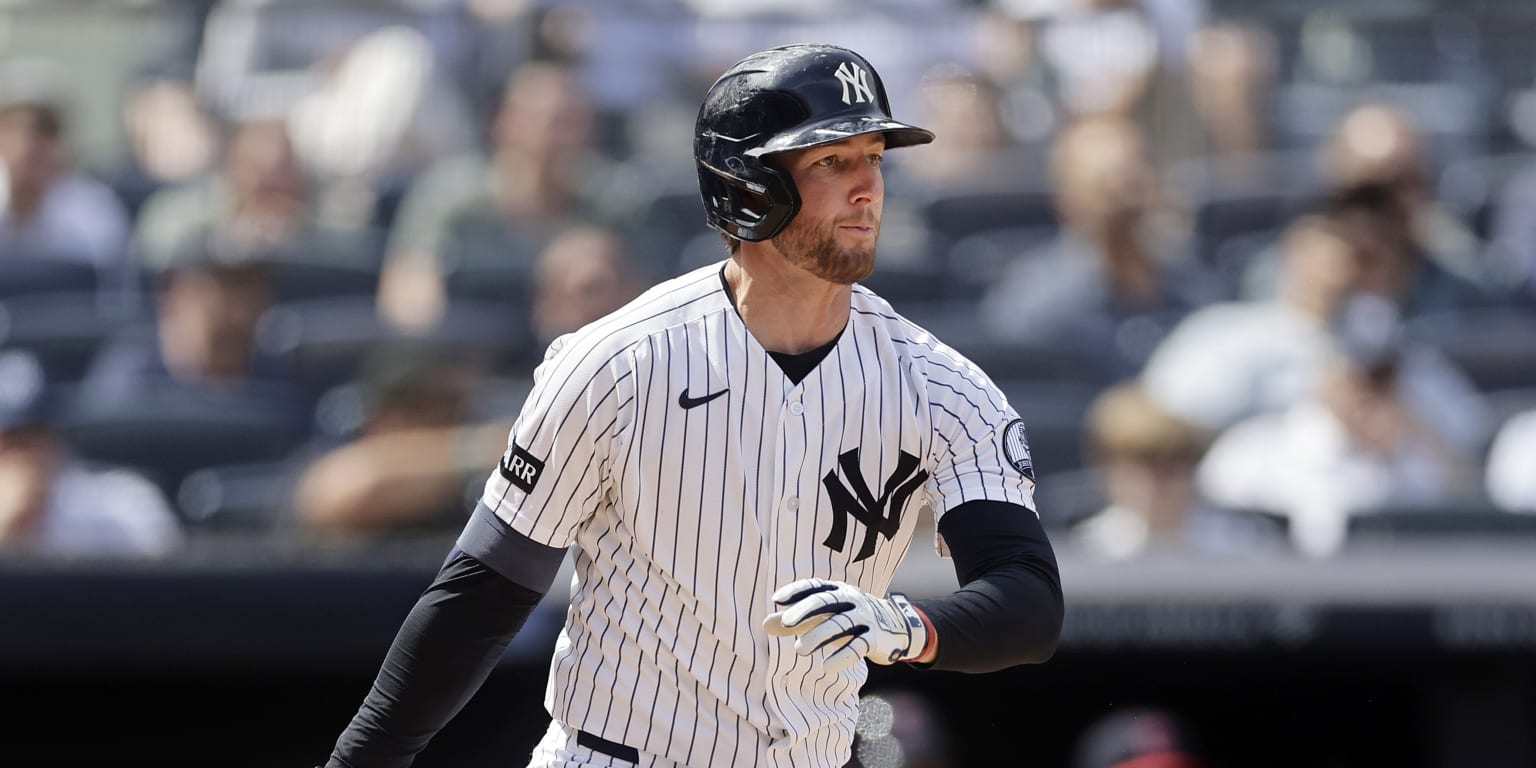
The Yankees beat the Guardians 2-1 Thursday at Yankee Stadium without Aaron Judge in the lineup, manufacturing their runs through small-ball sequences rather than their usual power-dependent formula. Jazz Chisholm Jr. walked, stole second, advanced on a wild pitch, and scored on Ryan McMahon's seventh-inning ground-ball single—a chain of events that proved decisive in a low-scoring game. Judge is out of the series undergoing testing on his right shoulder and rib cage, forcing New York to operate without its primary offensive engine.
Carlos Rodón continued a remarkably durable stretch on the mound, allowing just one run across six innings on two hits, with seven strikeouts and three walks. It marks his third consecutive outing limiting opponents to a single run, following May 21 against Toronto (5 IP, 1 ER) and May 29 at Oakland (6 IP, 1 ER). Rodón is now five starts into his return from left elbow surgery performed this past offseason—a progression that has stabilized in quality if not yet in innings load. His ability to maintain contact management and strikeout rate despite still building back volume suggests the Yankees' medical staff has threaded the needle on his ramp correctly.
The broader tactical shift here matters for how to read New York's near-term scoring patterns. When Judge sits, the Yankees lose their 40-homer-pace threat but don't simply fold into passivity—they're capable of executing base-running pressure and manufacturing single runs through walks and gap contact. This isn't a new skill; it's situational deployment. Chisholm (who walked three times in the series against a Guardians' pitching staff that struggled with command) becomes the engine for moving runners, while hitters like McMahon and Anthony Volpe lean into contact-based approach rather than chasing power counts.
For prop bettors, Judge's absence creates a structural rebalancing: Yankees team totals should trade tighter when he's out of the lineup, but the gap shouldn't be as extreme as pure power-aggregation models suggest. The pitching remains anchored by Rodón's recent consistency—three consecutive one-run outings is a pattern worth monitoring, not a fluke. If Rodón continues facing teams with pedestrian command profiles (as Oakland and Toronto have been), the under on Yankees run production becomes less reliable. The real edge sits in fade territory on overs assuming Judge's absence = automatic dampening. New York has shown it can score without him; the method just changes.
The medical timeline on Judge—whether he returns mid-series or requires extended evaluation—will be the true variable. Until clarity emerges, treat Yankees team totals as mispriced in both directions: bettors overcorrecting downward for Judge's absence, markets not fully crediting Rodón's recent pitching consistency and the team's small-ball execution when forced to manufacture.