Harrison Bader Returns to Giants Lineup as Health Catalyst for Struggling Offense
By Justin Erickson ·
A recovered Harrison Bader gives San Francisco a legitimate path to unlock production that has been dormant all season, reshaping both their ceiling and the betting calculus around their run output.
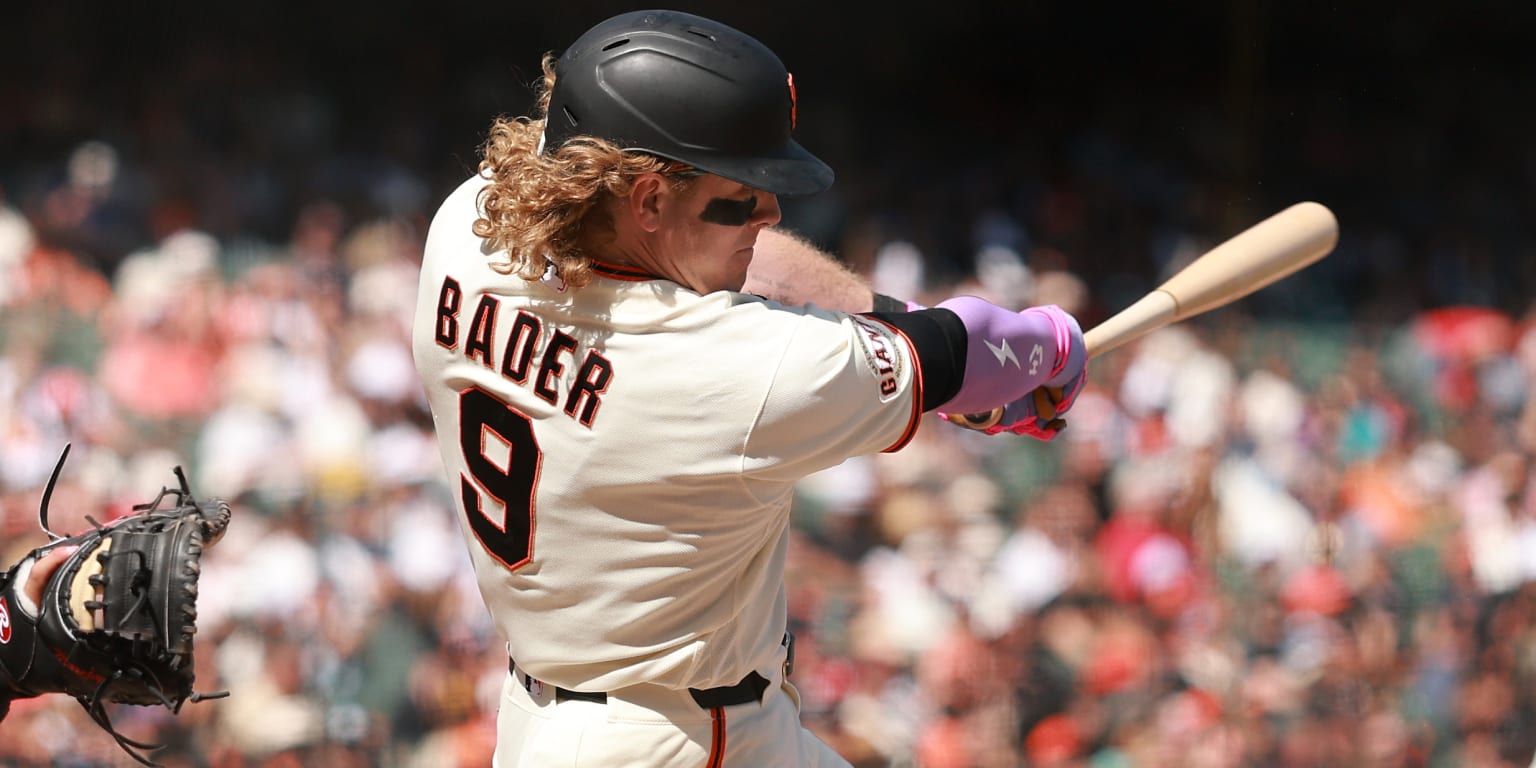
Harrison Bader is back in the Giants lineup after 23 games on the injured list, activated Monday with his left hamstring finally healthy. The 31-year-old center fielder was signed to a two-year, $20.5 million deal to stabilize the outfield and add right-handed power, but a nagging hamstring suffered in late March derailed that mission from day one. Over his first 15 games while playing through the injury, Bader managed a .115 average and .337 OPS with one home run and 17 strikeouts—a profile so weak it barely registered as a return on investment. San Francisco sits 16-24, and the early-season offensive malaise traces directly to underperformance from players expected to carry the lineup.
The rehab numbers tell a different story. Over six games with Triple-A Sacramento, Bader went 4-for-18 with two homers and three walks—a controlled sample, but one that suggests the injury rather than skill degradation was the culprit. Manager Tony Vitello has signaled confidence in deploying Bader as the regular center fielder, moving rookie Drew Gilbert into reserve duty. Bader himself emphasized the injury's impact on his mechanics: the inability to generate power from his lower half at the plate is something a healthy hamstring directly unlocks. That distinction matters for a player whose defensive value and occasional pop are his calling cards.
The Giants' offensive infrastructure has been hamstrung by a lack of depth and the absence of reliable production in their outfield corners. With Bader back to full strength and in his natural role, the team's mid-order balance improves. He's a low-average, high-strikeout bat—his career strikeout rate sits around 27%—but he offers more consistent exit velocity and fly-ball rate than the light-hitting Drew Gilbert (.231, .634 OPS in 22 games while Bader was out). The difference between a compromised Bader (.115 average, 1 HR in 15 games) and a healthy one is not marginal; it's the difference between a roster built to contend and one that's actively sinking.
For bettors, the Giants' team total and run-line odds have been underwater for weeks due to their 16-24 start and offensive drought. Bader's return at full health removes a significant drag on that equation. The team struck out 17 times in his first 15 games while he was injured and underperforming—strikeout-heavy lineups drive down team totals naturally. A healthy Bader reduces that whiff rate and increases hard contact, which translates to more runners in scoring position and higher run expectancy. Giants team totals that settled around 3.5 to 4 runs during his absence now face headwind; the ceiling for offensive output in any given game ticks upward, which favors overs on their team total lines moving forward.
Vitello's refusal to platoon Bader and Gilbert suggests the team sees Bader as a true centerpiece to stabilize production, not a complementary platoon hack. That conviction, paired with Bader's own confidence that the injury was the sole brake on his performance, indicates San Francisco believes they've unlocked a material offensive lever. For a team that desperately needs wins to avoid total collapse, the marginal improvement from moving a .115-average hitter off the field and replacing him with a healthy veteran is not noise—it's the difference between competitive and dead.