Will Smith's Neck Injury Sidelines Dodgers Catcher Into August, Reshaping Catching Value
By Justin Erickson ·
The Dodgers' all-star catcher won't return until mid-August at the earliest, forcing Los Angeles to operate without its offensive engine behind the plate for over two months.
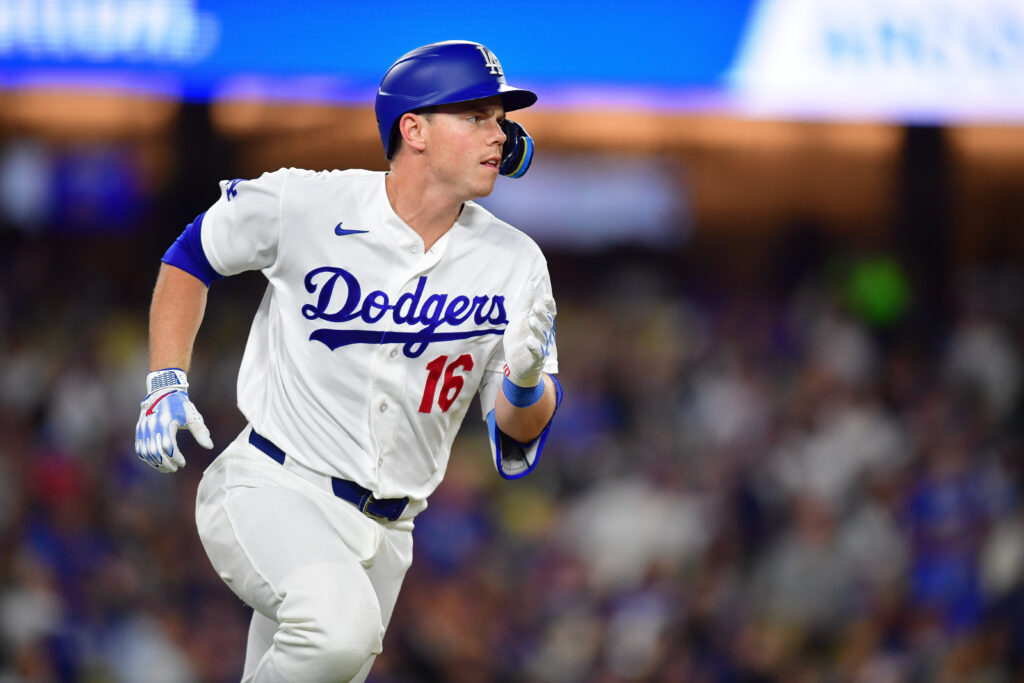
Will Smith hasn't stepped into the batter's box since June 5. An inflamed disc in his neck, aggravated last week during batting practice, has forced the Dodgers to shut down their catcher indefinitely—with manager Dave Roberts signaling no return before mid-August. That's a 71-day absence for one of baseball's premier offensive threats at a premium defensive position, arriving at the worst possible moment in the calendar.
Smith's injury timeline is particularly punishing because it spans the heart of the pennant race. The Dodgers entered July in contention; losing their cleanup hitter and primary run-producer from the catching spot removes a significant offensive component from an already thinned lineup. His absence also forces continued duty rotation among backup catchers, which compounds lineup depth issues and limits the Dodgers' ability to carry depth elsewhere on the roster.
The mechanism behind Smith's extended recovery is the nature of the injury itself. Inflamed disc conditions in the cervical spine don't respond to aggressive acceleration. The soreness that returned during light swings—not even live game-speed pitches—indicates the healing window remains open. Pitching load, swinging mechanics, and the repetitive stress of crouching in 90-degree heat all aggravate neck inflammation. A premature return risks either a chronic re-aggravation or a more severe herniation. The team's caution is medically sound, not roster management theater.
For prop bettors, this creates a straightforward valuation reset. Dodgers team totals have been priced assuming Smith's eventual return; now, the market must absorb that his absence extends through mid-August. Any Dodgers team total under currently offered should factor in a sustained offensive drag from catching production alone—roughly 0.3 to 0.5 runs per game depending on backup quality and spot rest scheduling. The backup catcher platoon will not replicate Smith's 1.4 offensive WAR pace. Fade overs on Los Angeles team totals through August 14, as the lineup will operate in a below-replacement catching-depth environment for games that should have secured their postseason spot weeks earlier.