Arraez's Deadline Value Hinges on Defense—and It Won't Last
By Justin Erickson ·
The Giants' infielder carries a 130 OPS+ into the final 11 days before the trade deadline, but his defensive resurgence is already fading—a detail that will reshape his market value and which teams line up.
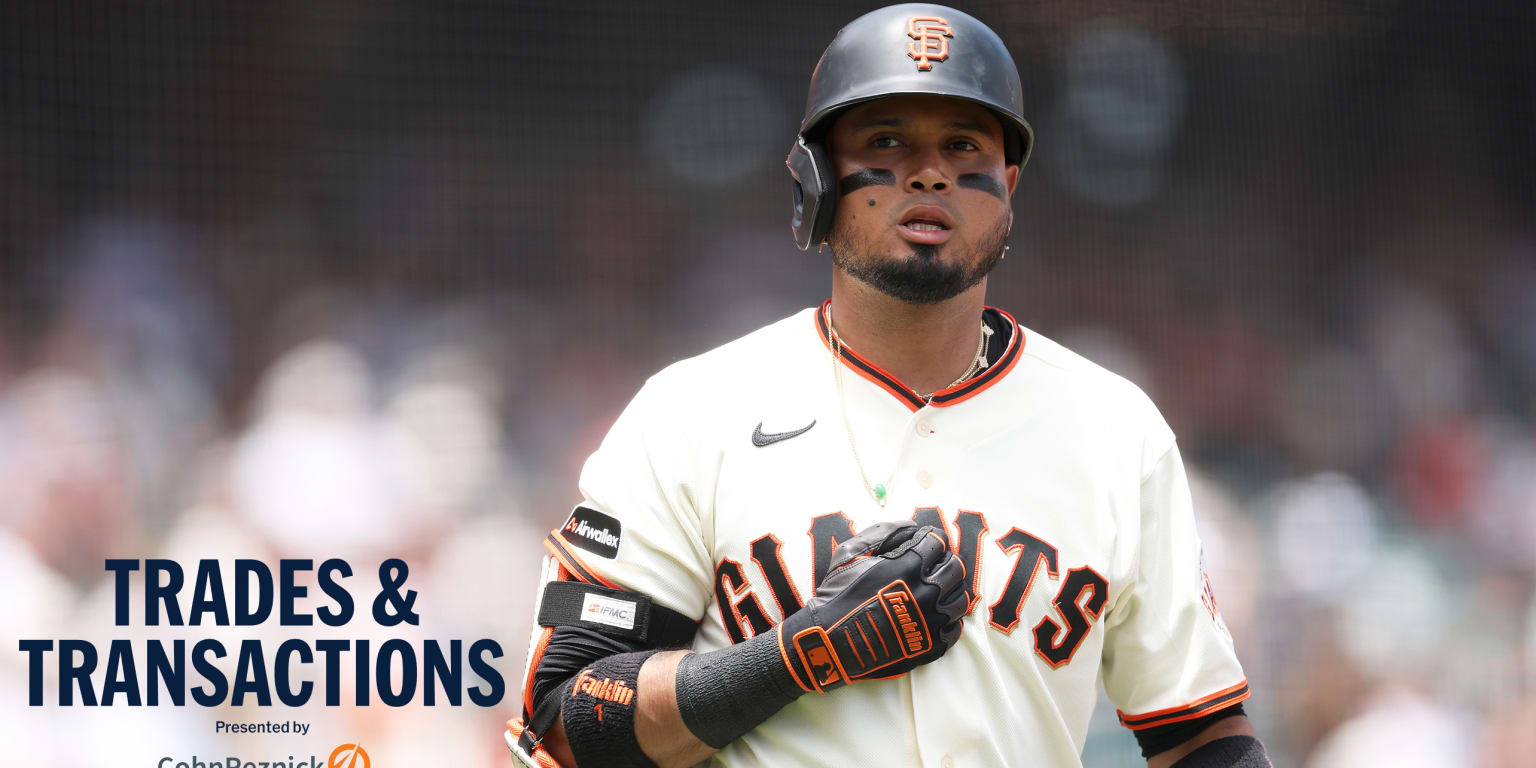
Luis Arraez will be traded before August 3. The Giants are 42-60, Arraez is an impending free agent on a one-year deal with no extension discussions, and the math is simple. What isn't simple is figuring out which contender will pay for him—and what they're actually buying.
On paper, the case is clean: a bat 30 percent better than league average (130 OPS+), a contact machine that limits strikeouts, and for the first time in his career, a player capable of holding down second base defensively. Arraez accepted San Francisco's one-year offer specifically because the Giants would let him prove he could play the position. That bet has delivered surface-level results. He's third among qualified second basemen in Fielding Runs per Statcast, with a +8 mark. The problem is distribution. Five of those eight runs came in April. Since then, he's been precisely average—which is fine, until you realize it means the headline-making defensive improvement has already deteriorated.
This timeline matters for trade-deadline valuation because it reshapes which contenders actually view Arraez as a solution. Teams shopping for a second baseman now have to ask: are they buying April Arraez or June-July Arraez? A front office that trusts the spring-loaded metrics might overpay. One that's watched the tape knows he's settling into league-average defense with an elite bat attached. Neither team is wrong, but one is overvalued and one is correctly calibrated. The Brewers, Cubs, and Braves are already set at the position; the Phillies and Mariners have bigger holes to fill. That narrows the field substantially from the theoretical 30-team market down to a handful of genuine contenders willing to bet on the bat alone.
For bettors tracking deadline-driven lineup changes, this distinction becomes crucial. Arraez's trade destination won't just affect his own hitting totals—his strikeout rate is stable, his contact discipline is elite, and those props move with him wherever he lands. What matters is which team acquires him. A destination with a vertical offseason—a team that's been underperforming its Pythagorean record and is making a push—will likely slot him high in the order and deploy him heavily. A team acquiring him as a complementary piece won't. The defensive fade also tells us something else: Arraez's acquirer probably won't be banking on positional flexibility. If his defense is settling at average, they'll use him as a pure DH or low-leverage bat, not as an infield solution. That compresses his playing-time upside and lengthens his platoon risk.
The smart move for bettors is to monitor not which team trades for Arraez, but whether they acquire him as a cornerstone bat or a depth piece. His OPS+ is real. His defensive improvement is already in the rearview mirror. Whoever pays for him in the next 11 days is paying for contact and AVG/OBP upside, not a defensive anchor. Price him accordingly once he lands.