White Sox Bet Big on Cholowsky—and That Signals Front Office Conviction in Their Window
By Justin Erickson ·
A record $10.35 million signing bonus for a college shortstop tells you the White Sox see their competitive core as window-of-opportunity real, not a rebuild.
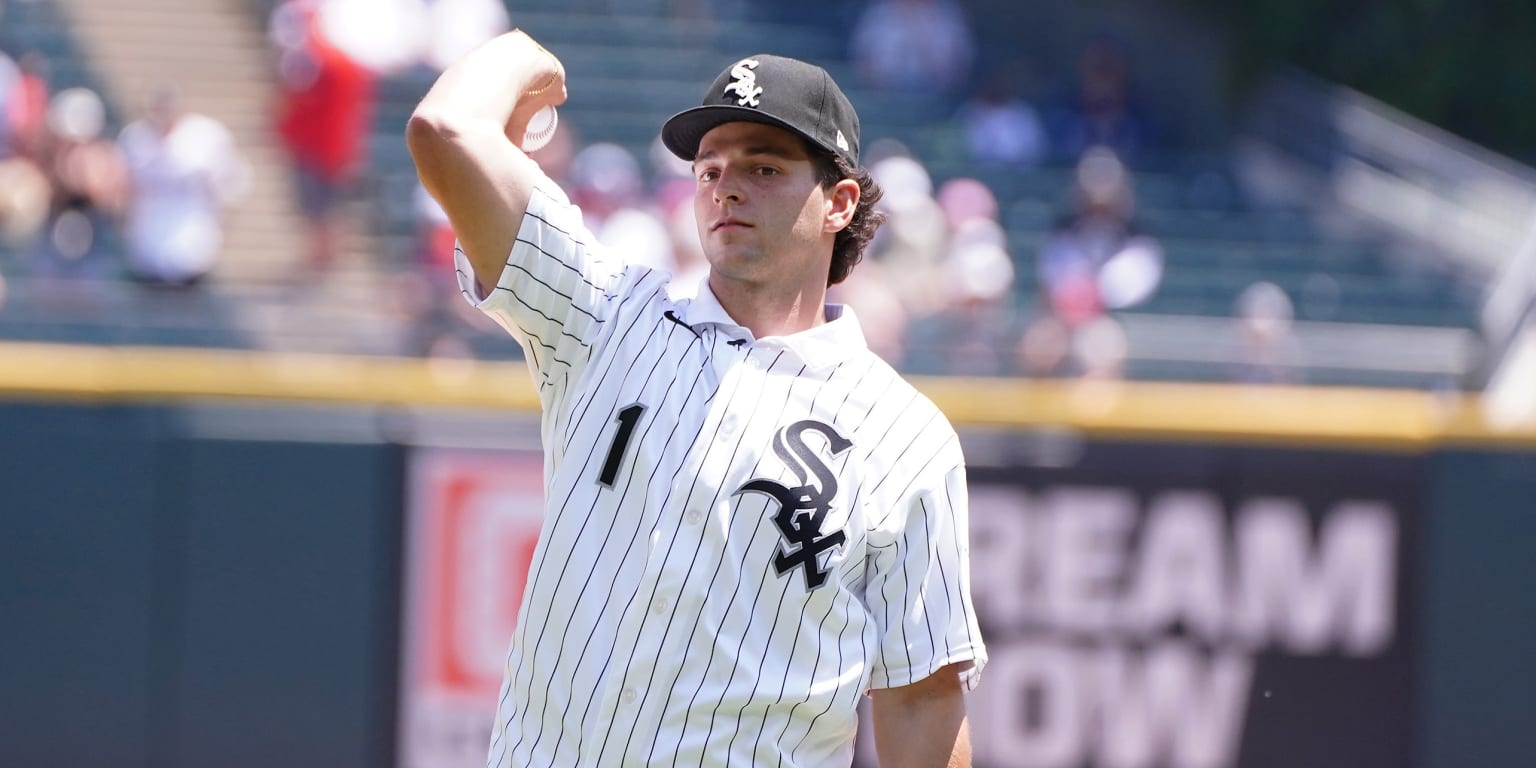
Roch Cholowsky signed with the White Sox on Monday after passing his physical, accepting a $10.35 million bonus—the largest ever paid to a draft pick. The 21-year-old UCLA shortstop, the No. 1 overall selection, will forgo $1 million of his slot value, but the White Sox still committed record money to a player who won't see the majors for years. The calculus here matters more than the headline suggests.
Cholowsky's credentials are genuine. Over 178 games at UCLA, he produced a .329/.447/.624 line with 52 home runs while playing shortstop defensively at a plus level with plus arm strength. MLB Pipeline's scouting consensus ranks him among the best all-around college shortstops since Troy Tulowitzki (2005). He's 21, with legitimate upside to be a plus-value starter at a premium position. Those are the facts organizations use to justify nine-figure commitments to teenagers.
But the timing and messaging reveal the real story. The White Sox enter the All-Star break tied atop the AL Central—a legitimate contender, not a bottom-feeder. That competitive reality shapes how front offices deploy capital. When a team is losing 90+ games and rebuilding, signing bonuses recede to secondary importance; the long-term asset development dominates budget planning. When a team is competing NOW, a $10.35 million bonus to a prospect—money that sits on the books for years before any on-field return—becomes a statement. It says ownership and front office believe this window stays open long enough to justify betting on youth development in parallel with major league spending.
The White Sox shortstop depth chart (Colson Montgomery as the starter, plus five top-100 prospects at the position) compounds the signal. This isn't a team starved for talent. They're stocking the system because they expect to compete for multiple years and need reinforcement. Cholowsky himself acknowledged it post-signing: "seeing how well the team at the top is doing and the moves they're making, the way they're playing, it's definitely a lot more motivation."
For bettors, the prop angle is indirect but durable. Teams signaling long-term competitiveness often sustain mid-season performance better than those hedging their bets. Win-total overs on contenders who reinforce their farm systems tend to age better than the market prices them, because market makers often weight recent results above organizational commitment. The White Sox entered July at or near their pre-season over target; the Cholowsky signing and bonus structure reinforce that the front office sees a pathway to exceed expectations, not revert to them.