MLB
White Sox Offense Sustains Second-Half Momentum With Demolition of Blue Jays
Chicago's surprise contenders opened the second half with a 5-run second inning, signaling the first-half blueprint remains intact even as deeper competition arrives.
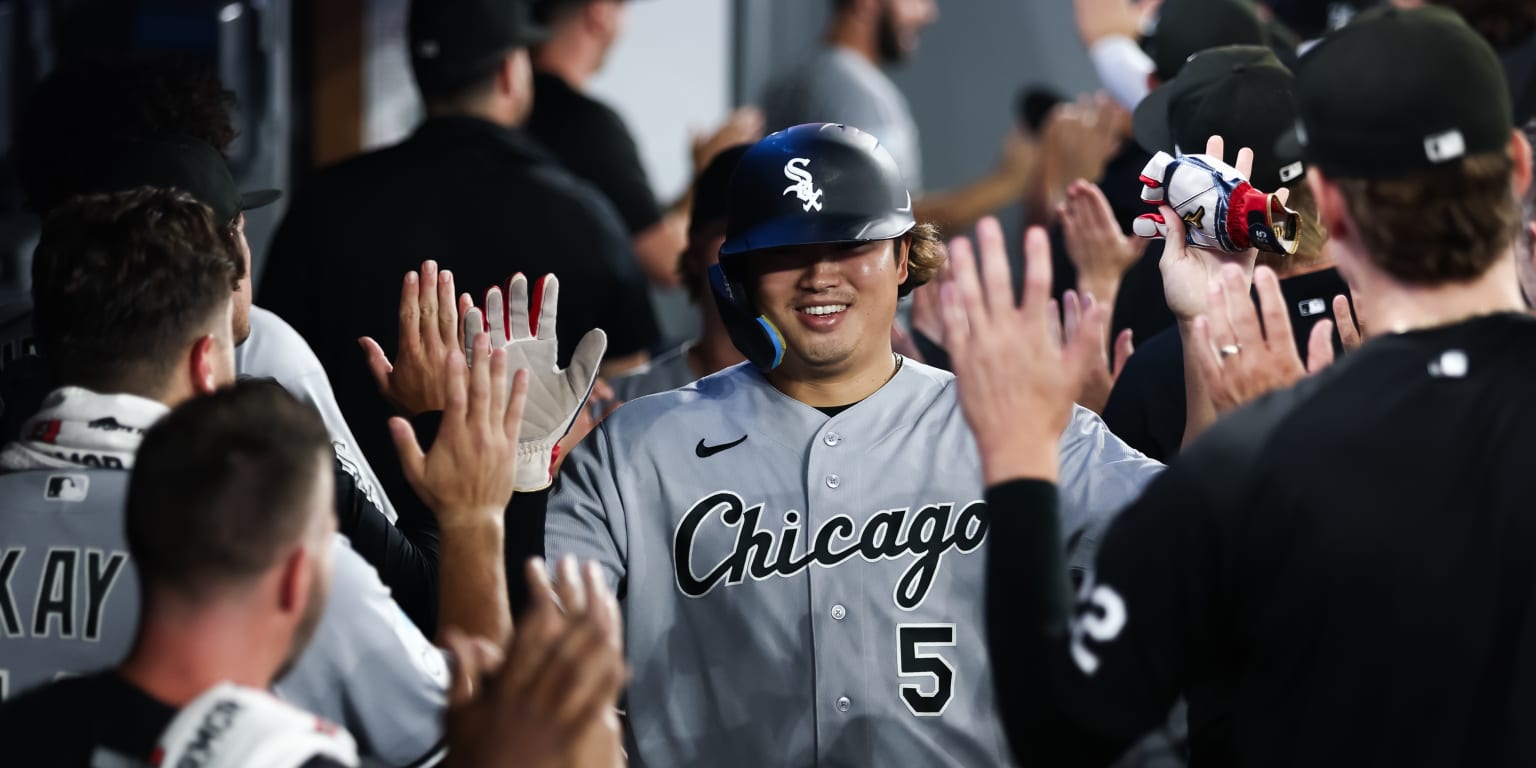
The White Sox returned from the All-Star break Friday and wasted no time proving their first-half success was no fluke. Against Toronto starter Spencer Miles, Chicago scored five runs in the second inning en route to a 12-4 rout at Rogers Centre—a result that extended their winning streak to four games and kept them at a season-high-tying six games over .500 at 51-45. The early burst set the tone: Colson Montgomery and Andrew Benintendi opened with back-to-back singles, Kyle Teel doubled down the line to score Montgomery, Braden Montgomery's fielder's choice plated Benintendi, and Sam Antonacci capped the inning with a 365-foot two-run homer into the right-field bleachers for a 5-0 cushion. That was only the beginning. Colson Montgomery added a bases-clearing double in the fifth to extend Chicago's advantage, then his namesake Braden Montgomery delivered another two-run triple in the seventh—two separate rallies in a single game that underscored the depth of the White Sox attack.
What matters most here is the coherence of Chicago's approach. Manager Will Venable's pregame message—stay committed to the processes that built this success—proved immediately prescient. The White Sox have overachieved relative to preseason expectations, yet they're executing the same fundamental blueprint: aggressive early counts, disciplined pitch selection in fastball zones, and relentless pressure on pitchers who can't locate. Antonacci's back-to-back home runs (the second coming off Oakland in Chicago's final game before the break) signal that the youth movement—particularly the 23-year-old rookie—has stabilized into productive form rather than reverting to prospect volatility.
The betting market had likely incorporated Chicago's first-half success into second-half pricing by the time Friday's game opened. Blue Jays-White Sox totals would have reflected both teams' recent run differential and offensive capabilities. But the speed and violence of the second inning—five runs in a span of 12 pitches—exposes a vulnerability in Toronto's pitching depth: Miles couldn't navigate a disciplined lineup working quick counts. For Chicago, the real edge lies in consistency. Venable's team won't produce 12-run performances every time, yet the pattern of multi-run innings in the same game (the fifth and seventh follow-ups) suggests the offense operates with sufficient base-running discipline and situational awareness to punish mistakes across multiple looks. With 67 games remaining, the White Sox's ability to maintain this blend of youth production and veteran process-focus will determine whether their surprising run holds or gradually fades. The beating of Toronto suggests the former trajectory remains more probable.
MLB Intelligence — Baseball intelligence beyond the box score. Open MLB Intelligence →