Dodgers' Five-Game Skid Exposes Real Weaknesses: Aging Lineup and Fractured Bullpen
By Justin Erickson ·
Los Angeles' offensive core is displaying age-related decline exactly when postseason depth matters most, while the relief staff has deteriorated from merely mediocre to actively dangerous.
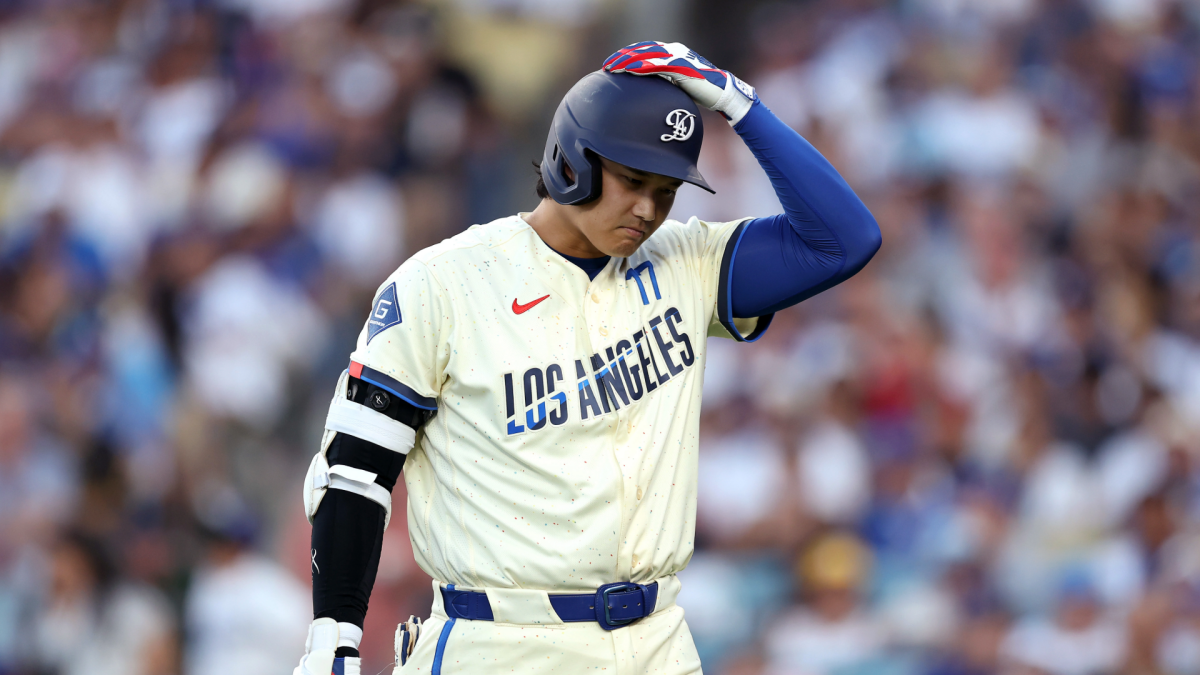
The Chicago Cubs dismantled Tarik Skubal in his Dodgers debut Tuesday night, 5-1, marking Los Angeles' fifth consecutive loss. The defending back-to-back Cy Young winner's arrival did nothing to arrest a skid that has defined August for a team that still owns a nine-game cushion atop the NL West but can no longer lean on the organizational depth that carried them through the past two seasons.
The math on this collapse is brutal. Since July 1, the Dodgers have averaged 4.18 runs per game—20th in baseball—and scored more than four runs in only three of their last 11 contests. Mookie Betts, Teoscar Hernández, and Max Muncy have all underperformed their season averages using park-adjusted metrics. That leaves the offense functionally dependent on three men: Freddie Freeman (.358/.395/.462 with just two homers), Shohei Ohtani (.284/.351/.529 with six homers), and now-injured Dalton Rushing. The Dodgers carry baseball's oldest lineup at 30.7 years—nearly a half-year older than second-place Philadelphia. The dropoff isn't accidental. It's the penalty for building around established superstars rather than velocity and athleticism. Worn-down muscles don't recover the way they did at 26.
The bullpen crisis compounds the problem. In two of the five losses, the Dodgers held leads or tied games in the seventh inning or later before relief imploded. Since July 1, the pen ranks 24th in ERA and 22nd in win probability added. Evan Phillips has allowed four homers in 8⅔ innings since returning from Tommy John surgery. Will Klein—once reliable—walked eight batters in 6⅓ innings before landing on the injured list with an elbow issue. Alex Vesia, a mainstay in high-leverage spots, has been scored upon in three of his last six appearances. The Dodgers brought in Edwin Díaz over the winter specifically because bullpen weakness haunted them last season, yet the unit has somehow regressed further.
For bettors, the mechanism here is clear: the Dodgers' decline isn't a variance spike or scheduling quirk—it's structural. An aging batting order lacking reserve power can't compensate for a collapsing relief corps. Team totals should compress on Los Angeles until the bullpen stabilizes or the lineup's age-related slippage reverses. The Dodgers still have nine games of cushion in the division, so panic bets on their Wild Card odds are premature, but the next two weeks will determine whether this is a correctable stumble or a warning sign of October vulnerability. Freeman and Ohtani can carry any team for a week. Carrying one without reliable late-inning shutdown is a different task entirely, and the Cubs just proved it.