Brewers' Prospect Deals Signal Urgency: Roster Pressure Building in Milwaukee
By Justin Erickson ·
Two long-term prospect contracts in three months force the Brewers' hand on a roster that's underperforming offensively at three key positions.
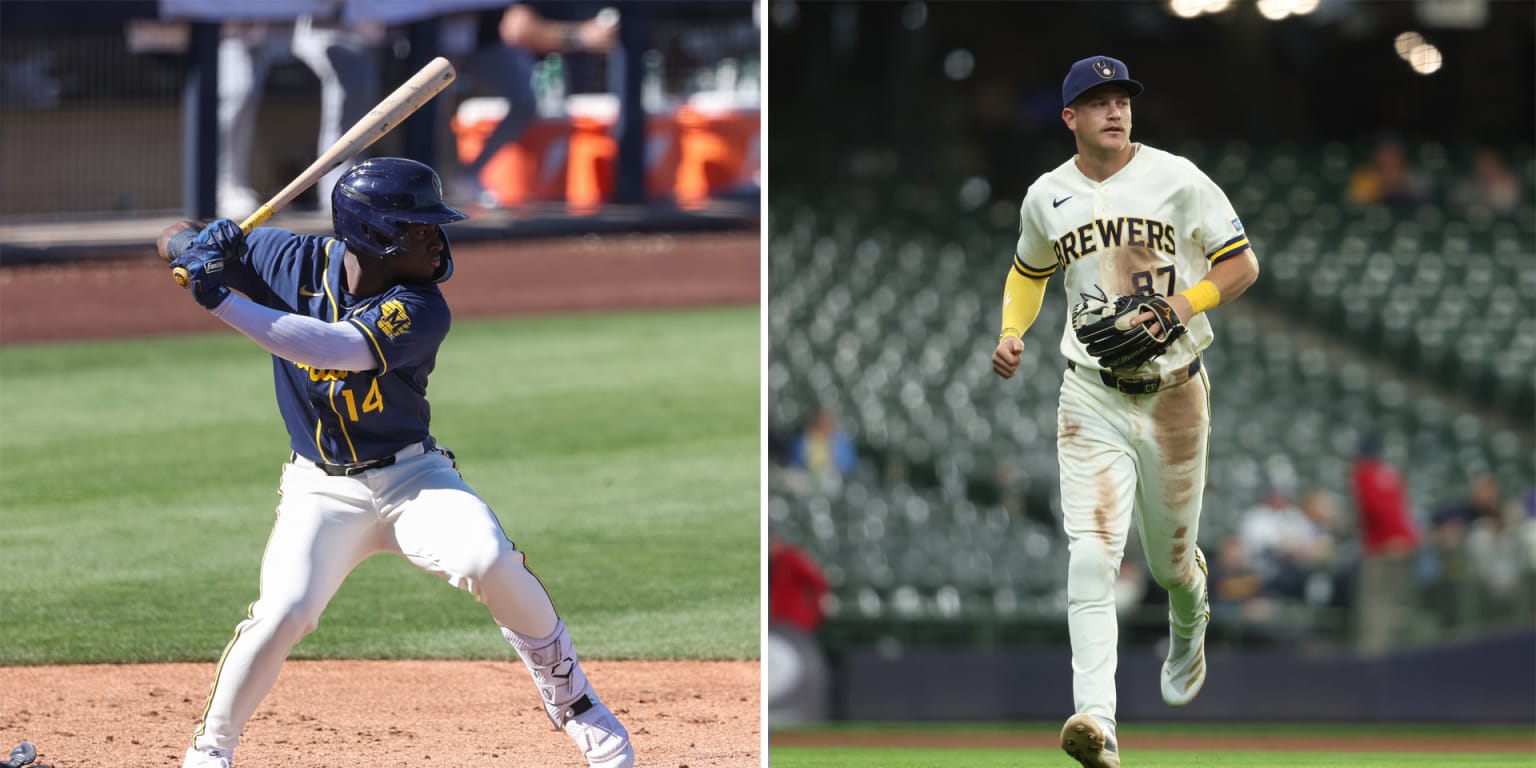
The Brewers locked in Luis Lara to a seven-year deal this week, following Cooper Pratt's eight-year extension signed in April—the second major prospect investment in three months. Both players sit in Triple-A Nashville after being added to the 40-man roster, but the cascade of long-term commitments is creating internal pressure that Milwaukee's front office can no longer ignore. President of baseball operations Matt Arnold insists the moves won't destabilize the current roster, but the timing and structure of these deals tell a different story about organizational impatience.
The math is brutal. As of Wednesday, the Brewers ranked 30th in weighted runs created plus from shortstops (58 wRC+), 25th from right fielders (68 wRC+), and 22nd at third base (79 wRC+)—translating to offensive production 42, 32, and 21 percent below league average at those three positions, respectively. Joey Ortiz has ceded shortstop starts to David Hamilton despite elite defensive metrics. Luis Rengifo arrived as a free agent at third base but hasn't homered once. Sal Frelick, worth north of five WAR over two seasons, has regressed at the plate. The gap between Milwaukee's league-leading defense and its anemic offensive support is suffocating the pitching staff.
Meanwhile, Lara (.940 OPS in Triple-A) and Pratt (.768 OPS) are producing at a clip that makes their eventual MLB arrival feel inevitable rather than speculative. The precedent is Jackson Chourio, who signed an eight-year, $82 million deal in December 2023 and went straight to Opening Day 2024. When a franchise commits eight or nine figures to a prospect's long-term security, the organizational expectation is immediate deployment, not a patient developmental arc. Manager Pat Murphy was blunt: roster competition is non-negotiable in the majors. If you're not prepared to be replaced, pick another profession.
For betting purposes, this structure creates a compressed timeline into late June and early July. Ken Rosenthal flagged June 16 as the date when free agents acquired in their first season can be traded without consent—effectively a deadline for Milwaukee to either integrate these prospects or signal that the current roster remains the priority. The Brewers' offense is underweight enough that the market will price in prospect callup risk within the next two weeks. Any expansion in Brewers team totals beyond 4.3–4.5 runs carries the risk of lineup displacement when a young bat arrives. Conversely, if the front office holds and the prospects remain optioned through July, the underpowered offensive position groups will stay anchored, and unders on team totals become more reliable. The edge lives in the next 10–14 days: fade overs on Brewers team totals until the lineup decision is public.