Dobbins' Sweeper Precision Sparks Cardinals' Pitching-Anchored Win Over Angels
By Justin Erickson ·
Hunter Dobbins' command performance—67% first-pitch strikes and a lethal sweeper—reveals why St. Louis' callup strategy could shift bullpen and rotation leverage.
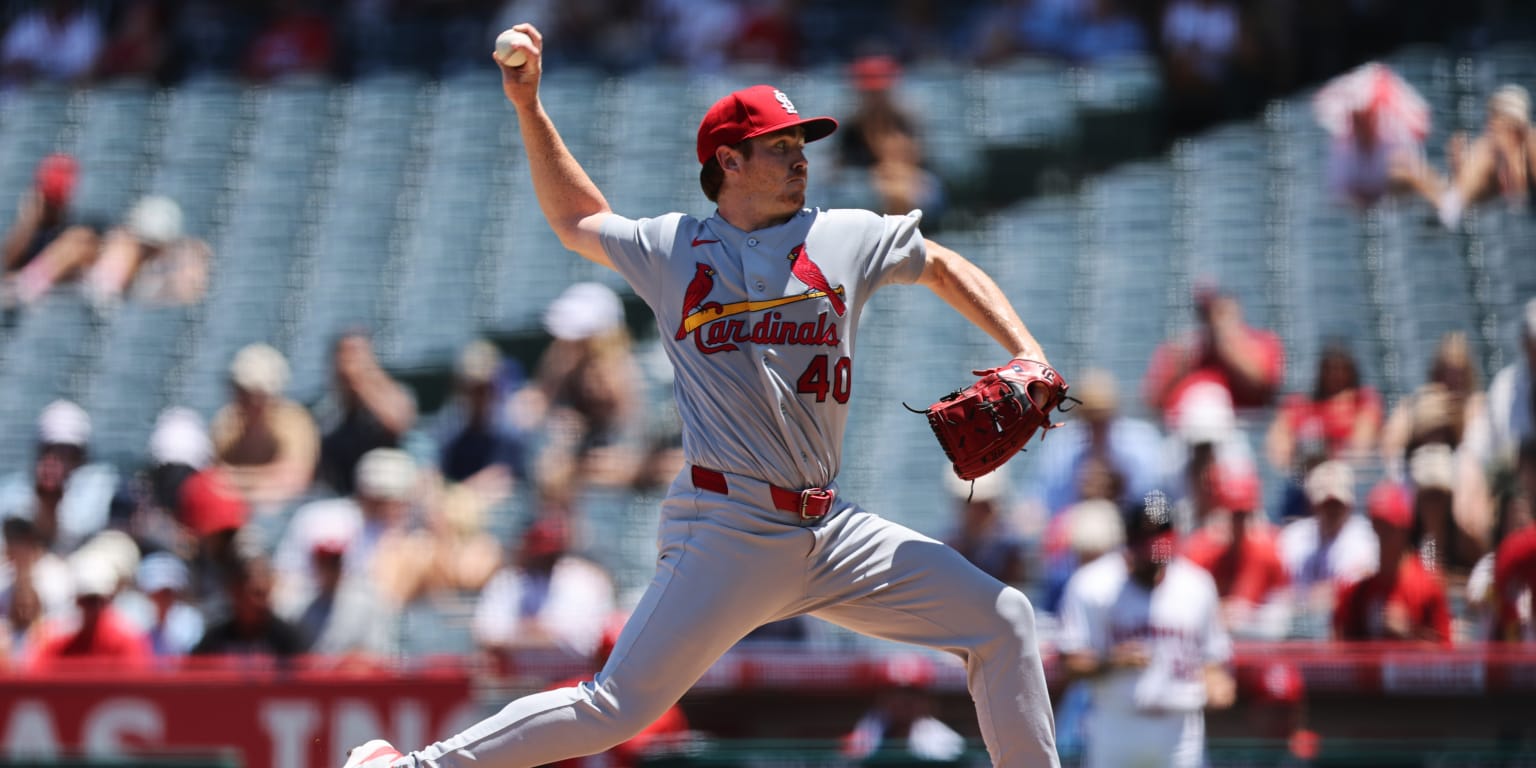
Hunter Dobbins delivered the Cardinals' most decisive pitching line of the week on Wednesday, spinning six scoreless frames against Anaheim while allowing just six hits and zero walks. The right-hander struck out five and leaned heavily on his sweeper, a pitch that generated a 44% whiff rate and forced Angels hitters to put it in play only five times across 18 swings. JJ Wetherholt's solo home run in the fifth inning—his 15th of the season—was all St. Louis needed to escape a four-game skid and break its road trip on a positive note.
What made Dobbins' outing notable wasn't volume; it was precision. He landed his sweeper for a first-pitch strike three of four times and kept his overall first-pitch-strike rate at 67%, a number that directly correlates with reduced pitch counts and deeper innings. This command profile matters for a pitcher who has been moving between Memphis and St. Louis multiple times this season. The Cardinals recalled him specifically to create rotation flexibility ahead of a makeup game against Arizona, signaling they see him as a reliable fill-in—not a warm body. When a team uses trade capital or roster moves to activate a pitcher, it's a vote of confidence worth tracking.
Wetherholt, the National League Rookie of the Year frontrunner, continues to deliver in high-leverage spots. His 15th home run came against a left-handed starter, and he's now batting .261 against southpaws this year. That 15-homer pace puts him on track for a 30-plus season if volume holds. The one-run margin—and the Cardinals' overall offensive quiet spell—underscores a structural truth about this team: they're increasingly reliant on spot power and elite pitching to grind wins. That's a sustainable formula only if the bullpen and rotation stay sharp.
For prop bettors, Dobbins' performance establishes a usable baseline on his sweeper whiff rate (44%) and first-pitch-strike frequency (67%), two inputs that project into strikeout volume and inning totals on future starts. If he remains active in rotation or high-leverage relief, those metrics should anchor his K and innings props; markets often lag on callup pitchers until they've logged three or four appearances. Wetherholt's continued success against left-handed pitching—at .261 with four homers this season—is durable enough to factor into his prop lines when facing an LHP starter, though his overall batting average and home-run pace already reflect his rookie-year surge.
The Cardinals' ability to win 1-0 games on the strength of pitching is a hedge against their quiet offensive stretches, but it's not a trend that sustains without injuries or slumps in the rotation. Dobbins' recall and performance may ease those concerns in the short term, but a team that needs perfect pitching to score one run is still a team that needs offensive depth. Monitor whether Dobbins earns additional rotation starts; if so, his strikeout prop will likely settle into the 4.5–5.5 range once the market has logged a few more appearances.