Arraez's Two-Day Statement: The Phillies Cleanup Slot Just Found Its Ideal Match
By Justin Erickson ·
Luis Arraez homered in his second game with Philadelphia, validating Don Mattingly's decision to keep him in the cleanup spot despite his unconventional profile.
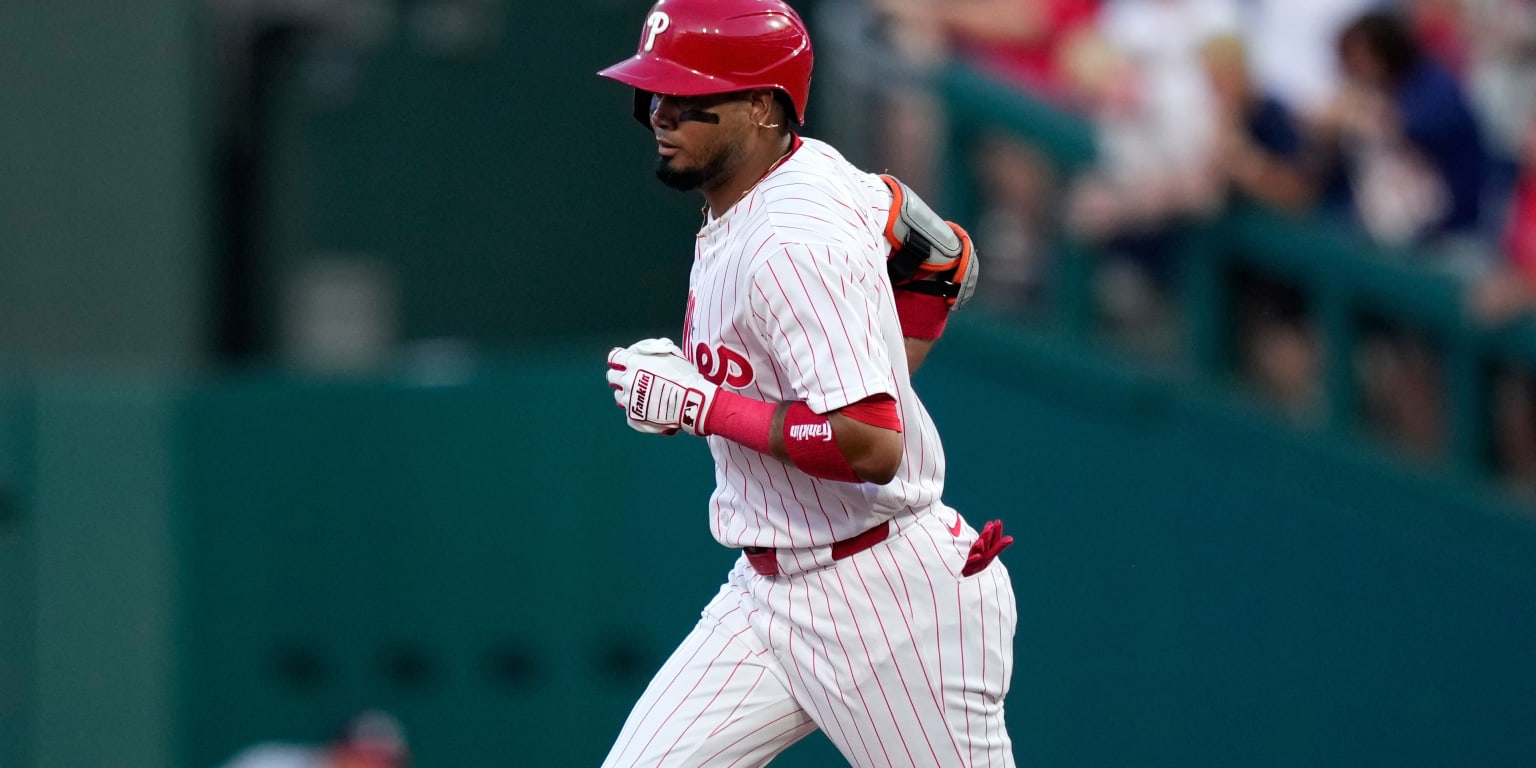
Luis Arraez hit a two-run home run off the right-field foul pole in the second inning on Wednesday, capping a debut that saw him drive in runs in both games as a Phillie. The performance underscores why interim manager Don Mattingly kept him batting cleanup rather than moving him to leadoff—a position Arraez's hit-first profile might have seemed to warrant. The reasoning is sound: a cleanup hitter faces unpredictable base states, and needs the versatility to both drive in runners already on base and clear the bases himself.
Arrayez came to Philadelphia as a contact-first hitter with a career .291 average but just five home runs through early August. That profile looked like a fit for the leadoff spot, where high contact rate and on-base skills prime the line. Kyle Schwarber, the reigning NL home run champion, moved into the leadoff role instead. On the surface, it reads like a misallocation—Schwarber's power gets hidden in a position that values repeatable baserunning. But Mattingly's frame avoids the trap: cleanup isn't a power-dependent role. It's a contingency-management role. Arraez's ability to execute in multiple situations—driving in runners already in scoring position on Tuesday, then creating his own run when the bases were empty—demonstrates the versatility the spot demands.
The bat flip and dugout reception telegraphed something deeper than a single home run. This is a player who enjoys winning baseball and performs under responsibility. His five home runs on the season represent significant production volatility from a pure average hitter, meaning additional power upside exists if he sustains contact in a favorable environment. Philadelphia's lineup depth means Arraez will regularly see fastballs in hittable counts with runners on; opposing pitchers cannot load up on his weaknesses without risking deeper damage from Schwarber or other protected hitters behind him.
For prop bettors, Arraez's cleanup position creates a specific angle: his RBI prop carries edge potential because the Phillies' construction virtually guarantees he'll inherit runners in high-leverage at-bats throughout the season. In Tuesday's debut, both of his first two at-bats came with two on base—a sequence unlikely to repeat daily but indicative of the situation distribution cleanup hitters face. His xBA of .298 suggests his contact profile should sustain a .300+ average, which, combined with frequent baserunning opportunities created by Schwarber and the broader lineup, indicates his RBI totals will compress into a narrow band around 3-4 per game when the team's full lineup is healthy. A season-long RBI prop set at his daily average (roughly 4.2-4.5 per game) offers minimal edge given the lineup depth and his assured plate appearances. However, daily RBI unders in games where either Schwarber or high-leverage hitters are absent carry meaningful risk—Arraez will shift to a higher swing rate and power utilization when protection thins.
The early-season execution matters because cleanup consistency is rare. Arraez's two-game statement against an unknown Phillies pitching assignment suggests he's acclimated quickly, but the true edge consolidates only if he maintains this run-driving frequency through September. Watch his RBI line tighten after market adjustment; books will price in his cleanup assignment within 3-5 games as sample data accumulates. The bat flip is theater. The two-game RBI rate is data.