MLB · callup
Clark's Comerica Baptism: The Rookie Defensive Edge That Props Haven't Priced
Detroit's top prospect arrives at home after a nine-game West Coast baptism with measurably improved route-running—and lineups won't know how to pitch around it yet.
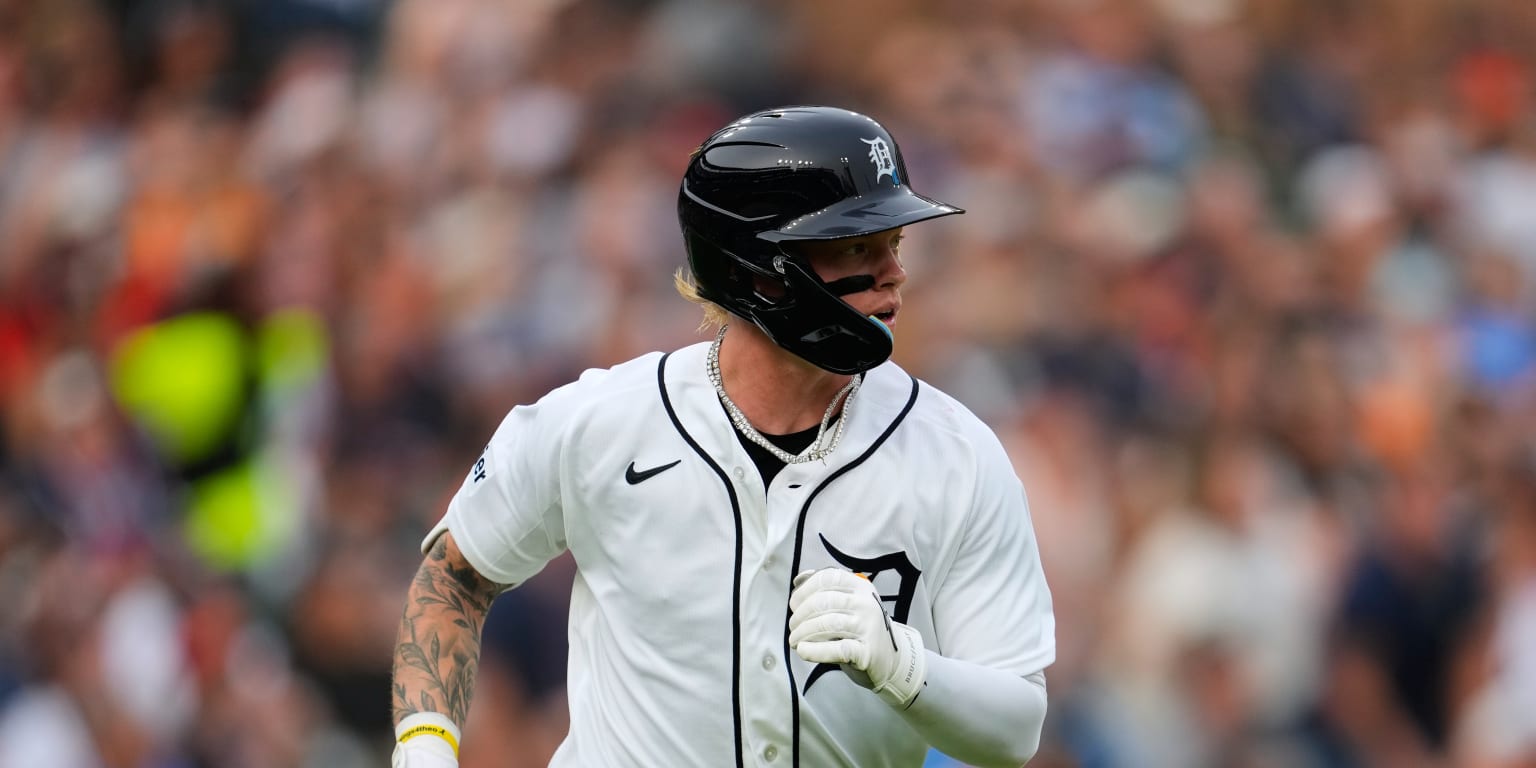
Max Clark stepped into Comerica Park on Tuesday for the first time as a Tiger in a game that mattered, and the first thing he did was walk out to center field and confront the reality of 470 feet of green. The third overall pick from 2023 has spent the past nine games learning MLB pitching on the road—Sacramento, Seattle, San Francisco—before getting his home debut. That's an unusual entry point for a top prospect, but it's given Clark something most rookies don't have: a compressed trial-by-fire that includes real feedback from major-league hitters and, crucially, real defensive assignments against the kind of gap power that punishes lazy routes.
Manager A.J. Hinch has noticed a specific shift in Clark's defense since the season started. The speed was never the question—elite athleticism got him drafted third—but the route discipline and pre-pitch positioning have evolved. Clark himself acknowledged the gap: "I've always had the speed, so that's made the defense relatively easy. But understanding the routes and understanding the communication, that comes not just with reps, but also practice." That's not a casual observation. It's the mechanical difference between a prospect who out-runs mistakes and a center fielder who doesn't make them in the first place. Over the past nine games, opposing baserunners have tested him, and he's answered with improved angles and what Hinch specifically praised as "really incredible baserunning" in recent series—cutting off gaps, throwing to second, the unglamorous work that saves runs.
Clark's arrival at home coincides with a Tigers team that's experienced a post-trade-deadline boost. Hinch credits much of that to Clark's energy and productivity; the rookie has been getting everyday at-bats, working counts, and manufacturing opportunities at the plate alongside his defensive climb. The combination matters for team total calculus. A young outfielder pressing for position with this kind of defensive momentum doesn't typically fade—he locks in or he flames out fast. Hinch's language suggests the former. When a manager spends time detailing how a rookie "finds a way every day to contribute," plus shows measurable growth in a skill (route-running and communication) that reduces runs conceded, that's a signal the organization believes he's staying in the lineup.
For Tigers team totals, the angle is forward-facing and specific: Clark's defensive maturity means fewer gap doubles and singles that advance runners into scoring position without contact. That efficiency—not flashy, hard to quantify in a box score, but real—should compress the variance of Tigers run allowance over the next 10-15 games. Seattle, San Francisco, and Sacramento hitters have all gotten looks at him; the Guardians and White Sox (coming to Detroit this month) have not. Early lineups in home games before extensive video is available often overshoot aggressive strategies against rookies, especially ones who look raw early in the plate appearance. Clark isn't raw anymore on defense, but the market (and opposing coaches downloading tape) won't price that evolution instantly. Tigers team totals at home against teams without extensive Clark film should see a slight edge to the over, not because Clark hits home runs, but because his positioning prevents the kind of "ball in play, one base" outcomes that strand runners and reduce run expectancy.
MLB Intelligence — Baseball intelligence beyond the box score. Open MLB Intelligence →