Weiss Washout Clears Path for Delgado's Debut—and Houston's Rotation Reckoning
By Justin Erickson ·
The Astros DFA'd their Korean import after a 7.62 ERA, signaling deeper trouble in a rotation held together by youth and desperation moves.
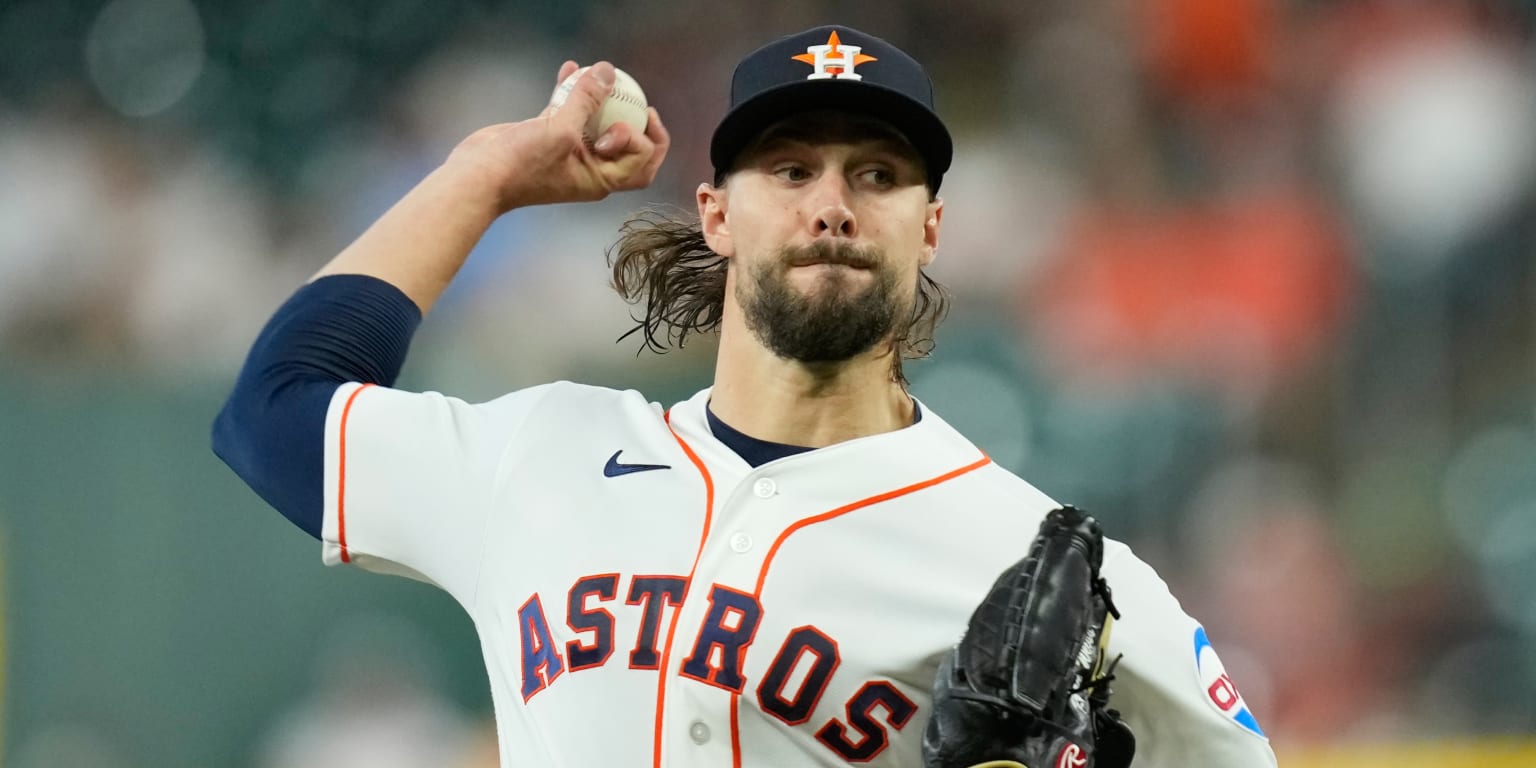
The Astros designated right-hander Ryan Weiss for assignment Friday, ending a disappointing tenure that lasted just over a month in the majors. Weiss, signed to a $2.6 million deal in the offseason after two solid seasons pitching for the Hanwha Eagles in South Korea, made the Opening Day roster but was demoted to Triple-A Sugar Land on May 5 after nine appearances (two starts) and a catastrophic 7.62 ERA across 26 innings. The move created roster space for infielder Raynel Delgado, acquired Wednesday from Tampa Bay in exchange for cash and set for his Major League debut against Kansas City.
What matters for Houston's trajectory is not Weiss's failure—that's already priced in—but what it reveals about the pitcher pipeline feeding the major league rotation. The Astros brought in six arms during the offseason to shore up depth behind ace Hunter Brown. Most have underperformed. Weiss flopped in the majors and then in Triple-A (8.41 ERA in five starts, 20 1/3 innings), but he's merely the lowest-profile casualty. Mike Burrows, acquired from Pittsburgh in a three-team trade, has made a team-leading 13 starts while posting a 5.77 ERA in 73 innings and leading the American League in home runs allowed (17) and earned runs (47). He remains in the rotation despite those numbers, suggesting Houston has limited faith in what's waiting in the minors.
The bright spot is measured: Tatsuya Imai, the Japanese import, had three solid starts through Friday's outing against the Royals. Kai-Wei Teng, acquired from San Francisco, and Peter Lambert, signed to a minor league deal, both pitched well when called up. But this is addition by subtraction, not rotation depth. Brown is eligible to return from the injured list next week, which should stabilize things, but until then Houston is operating with a collection of reclamation projects and second-chance arms—exactly the configuration that produces volatility in team totals and earned-run lines.
For bettors, the rotation turnover matters in two windows: the immediate frame while Brown remains out (elevated home run susceptibility across the remaining arms) and the period after his return (when Houston pivots from desperation to a more stable four-man core). Burrows' 17 home runs allowed in 13 starts represents a 1.31 per nine pace—well above league average and predictive of continued long-ball vulnerability. Right-handed hitters specifically have feasted; taking the over on team home run totals when Burrows starts holds an edge over the next two weeks before the rotation composition stabilizes.
Delgado's call-up is a roster mechanics story, not a lineup impact story. The infielder may contribute defensively, but the real prop play sits with the pitching side: fade any tight overs on Houston team totals when Burrows takes the ball, and monitor Imai's workload once Brown returns—elite foreign talent often sees immediate heavy usage in a rotation desperate for stability. The Astros' offseason reinvestment has largely misfired, and the market has not fully priced the vulnerability of their non-Brown arms.