Ureña's Dominant Seven Innings Set Up a Walk-Off—But His Strikeout Ceiling Is Already Priced In
By Justin Erickson ·
The Angels' rookie pitcher delivered his most dominant start of 2026 with nine strikeouts in seven scoreless innings, yet the betting market may have already baked in his elite whiff rate.
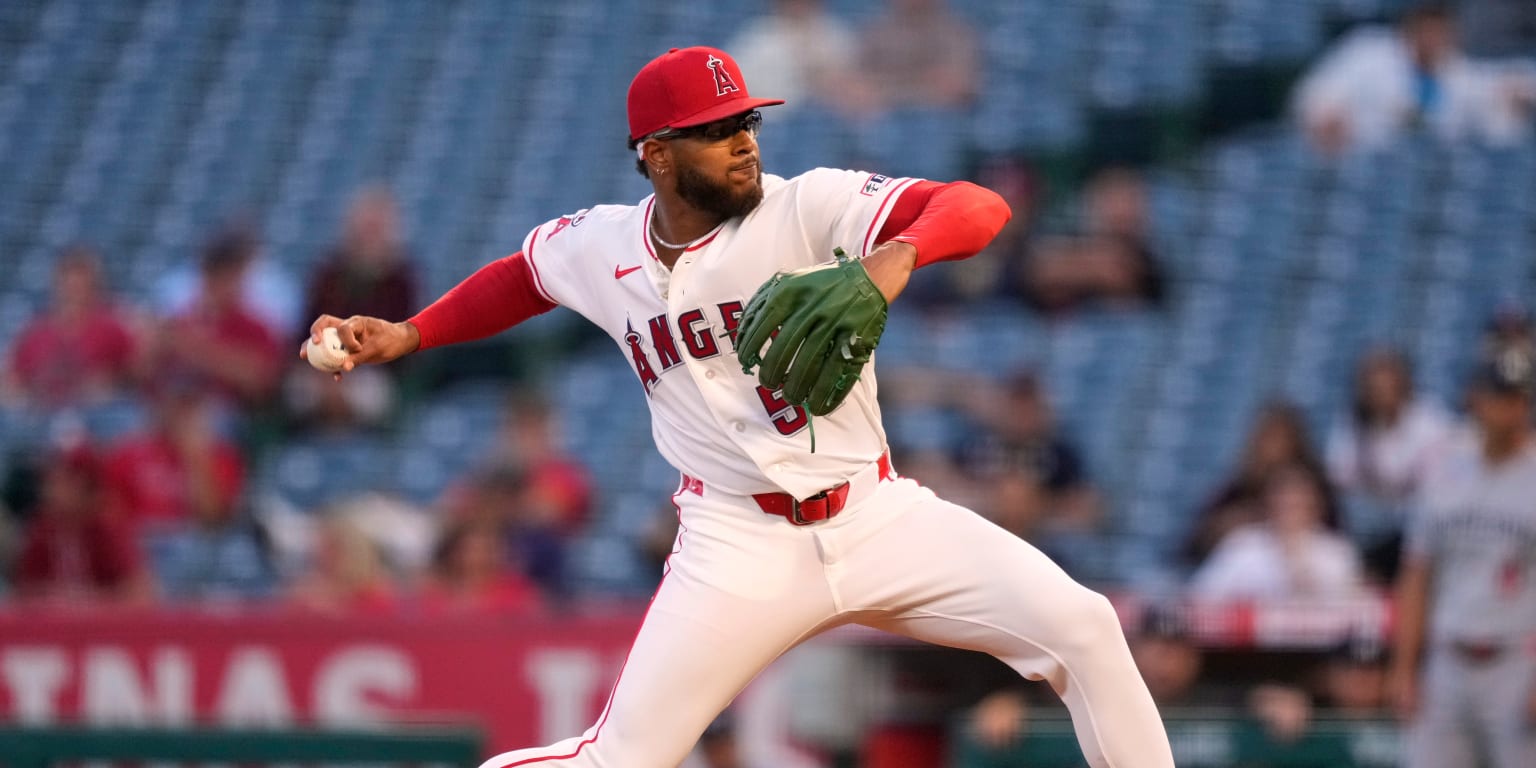
Walbert Ureña did something Thursday night at Angel Stadium that most 22-year-old rookies never accomplish: he made a manager sound like he'd just watched something historically rare. Ureña struck out nine batters over seven scoreless innings against Minnesota, allowing just four hits and no walks while throwing 91 pitches in an Angels win that needed Wade Meckler's 10th-inning walk-off single to finish 5-4. Manager Kurt Suzuki called it one of the best starts he'd ever caught—and Ureña's numbers back that claim up. His fastball sat at 100.1 mph, his sinker at 98.8, and his changeup at 92.1, generating 22 whiffs total, with 12 of those on the change alone. That's a career high in swings-and-misses for a single outing.
The larger context matters more than the performance itself. Ureña has now struck out 140 batters in 144⅓ innings across 28 appearances (26 starts), establishing himself as a legitimate Rookie of the Year conversation candidate despite a walk-heavy profile that has dogged his season. His ERA sits at 2.74, which ranks second among all MLB rookies with at least 100 innings pitched—behind only Cleveland's Parker Messick at 2.57. More telling: Ureña's 16 starts allowing one run or fewer represents the most by a pitcher aged 22 or younger since Dwight Gooden in 1985. That's not noise. That's a historical comp at a critical age.
But Thursday's outing also exposed a specific mechanical edge that the betting market may already have capitalized on. Ureña threw first-pitch strikes to 19 of 25 batters faced; when ahead in the count, hitters become more aggressive, which plays directly into his ground-ball and early-contact profile. The Twins mustered only one threat with a runner in scoring position against him all game. This isn't volatility—this is sustainable dominance born from command and zone-filling discipline. Over his last four starts, Ureña has issued just three walks combined, a dramatic tightening from his season-long 4.18 BB/9 rate. That's the real story: not the nine Ks, but the walks trending toward control.
For prop purposes, the strikeout line matters—but it's likely already adjusted. Ureña's K/9 sits around 8.7 for the season; the 9 Ks in seven innings against Minnesota was a 11.6 K/9 pace, materially above his average. A market maker posting a +8.5 strikeout line for his next start (typical for an elite rookie) would already reflect his season-long dominance and the recent uptick in K rate. What hasn't been fully priced yet is the walk suppression. If Ureña's BB/9 continues to compress toward 4.0 or lower on the strength of his first-pitch-strike approach, team totals and moneyline variance for Angels games tighten considerably—fewer baserunners mean fewer scoring opportunities and higher expected run suppression. That mechanic is more durable than the single-game strikeout spike because it traces to a repeatable behavior, not a hot streak.
The walk-off victory and Meckler's heroics frame a nice narrative, but the actual edge for bettors lies in monitoring whether Ureña's command evolution sticks. If the next three starts show continued BB reduction paired with sub-3.00 ERA ball, the Angels' team totals and Ureña's strikeout lines both deserve scrutiny—the former because his efficiency suppresses run environment, the latter because the market will have already overweighted Thursday's 22-whiff outlier.