MLB
Twins Promote Culpepper: A Shortstop Prospect Steps Into MLB Uncertainty
Minnesota's top-ranked infield prospect gets the call, but his arrival into a crowded middle-infield landscape creates more questions than clarity for lineup construction.
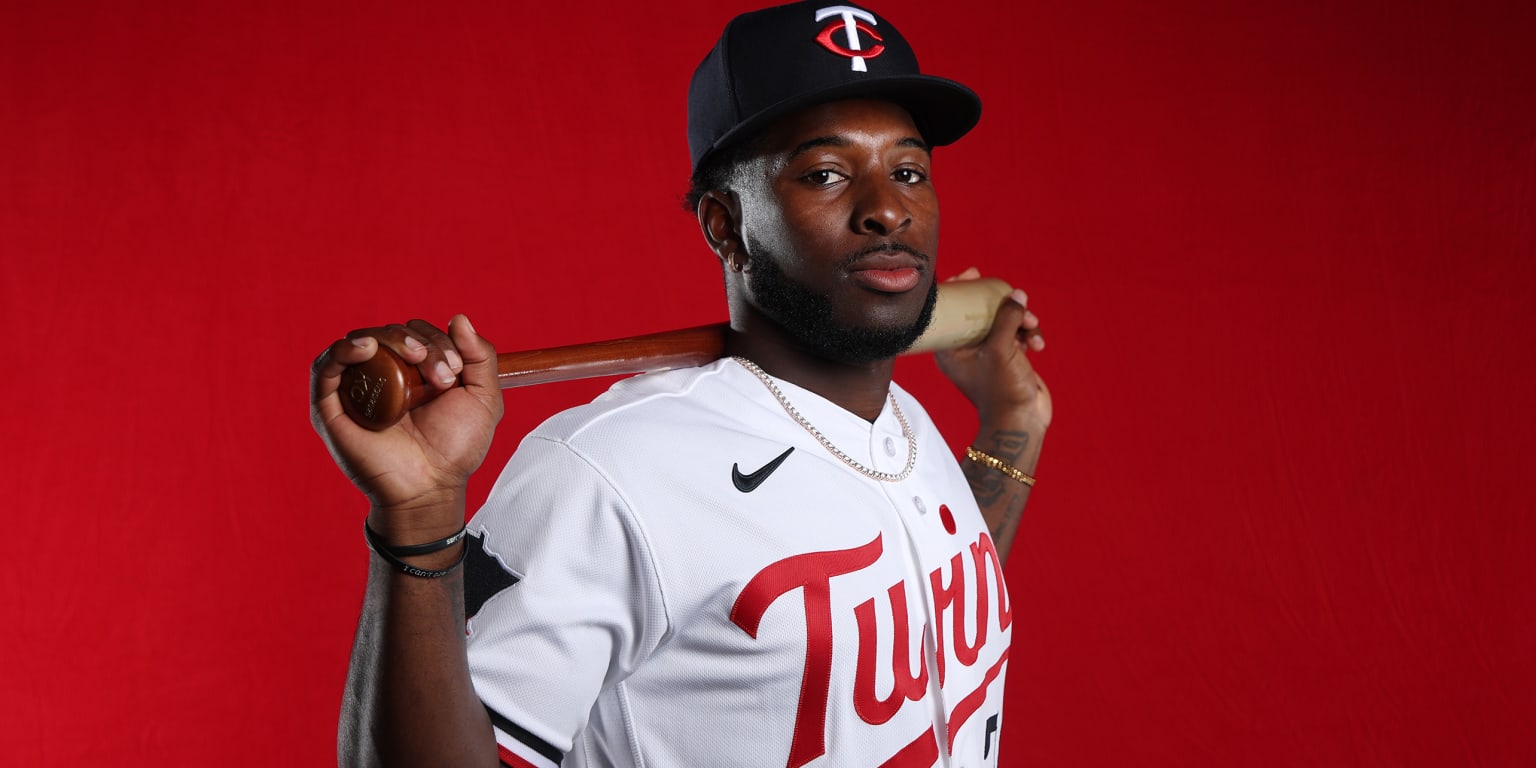
The Twins are promoting Kaelen Culpepper to the major leagues, per MLB.com's Jonathan Mayo on Friday, though the organization has not yet made a formal announcement. The 23-year-old first-round pick from the 2024 Draft has earned the opportunity on the strength of a Triple-A season that generated legitimate pop: .845 OPS, 14 homers, and 17 stolen bases across 295 at-bats. Pipeline ranks him the Twins' No. 2 prospect overall and 29th across baseball—a top-flight talent arriving at the right moment.
Culpepper's skill set reads as real-deal middle-infield material. He's logged most of his Triple-A time at shortstop while maintaining positional flexibility at second and third base, a profile that speaks to either long-term starter potential or a credible utility-infield foundation. The power output (one homer per 21 at-bats at Triple-A) and baserunning aggression (17 steals in 295 PA, a 5.8% steal rate) are both above-average contributions. But MLB debuts for prospects in August carry inherent variance—call-ups often signal roster churn driven by injuries or August roster expansion, not necessarily permanent depth-chart shifts.
For Minnesota's betting ecosystem, Culpepper's arrival reshapes the baseline for mid-order stability. If he slots into a regular role at short, the Twins' overall lineup contact profile improves modestly; prospects with his strikeout rates typically translate to lower K% when promoted, assuming he avoids the common rookie adjustment cliff. More immediately, his presence depresses near-term prop value for established veterans competing for at-bat share. The Twins have not announced a replacement on the roster, meaning innings and touches are finite. Any incumbent middle infielder with marginal counting-stat upside faces compressed opportunity going forward.
The betting angle hinges on forward opportunity allocation rather than Culpepper's own immediate production. His power ceiling at the major-league level remains unproven—prospect power translates unevenly, and a .845 OPS at Triple-A doesn't guarantee power-prop edges in his first 50 major-league at-bats. More durable is the negative pressure on team-total and infield-adjacent prop lines if Culpepper assumes regular playing time and the Twins' incumbent shortstop (or second baseman) sees material plate-appearance regression. The information edge lies not in predicting Culpepper's stat line, but in identifying which Minnesota batter loses at-bats to the callup—and whether the market has already repriced that opportunity cost.