MLB · injury
Twins Clear Bullpen Clutter: Rashi Out, Culpepper In—What It Means for Late-Game Pricing
Minnesota's decision to cut Taylor Rashi and call up fresh arms reshuffles the bullpen calculus heading into the final stretch.
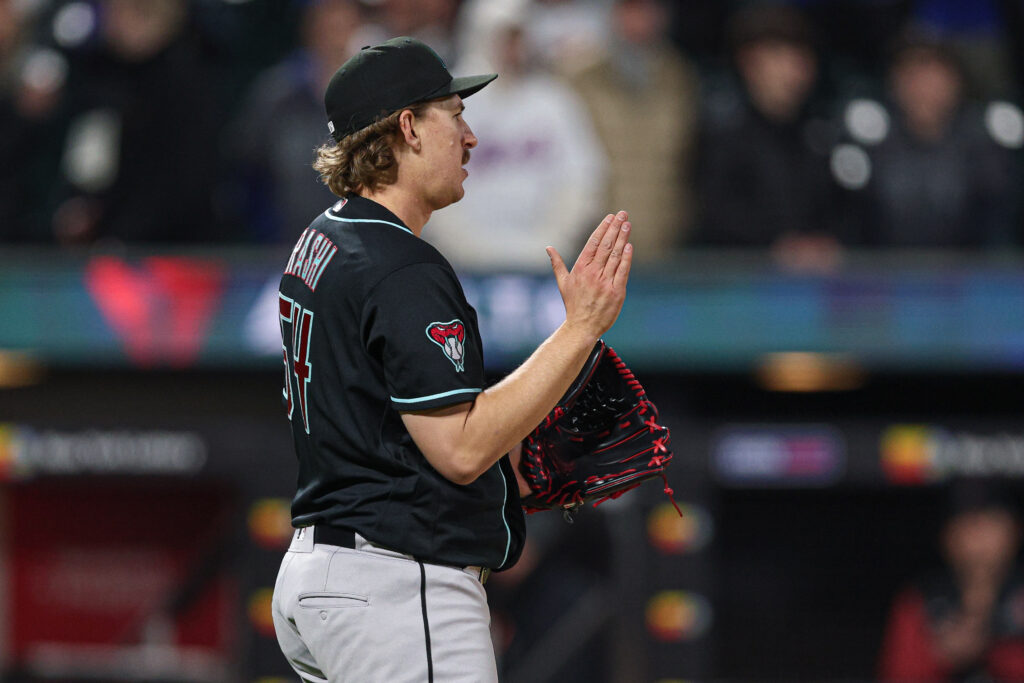
The Twins designated right-hander Taylor Rashi for assignment on Friday, clearing a 40-man roster spot to promote infielder Kaelen Culpepper and recall right-hander Zebby Matthews. The move doubles down on Minnesota's mid-season pivot: after acquiring Rashi from Arizona in a June cash deal—when the bullpen looked thin—the organization has since invested in Jeff Hoffman, Tommy Nance, and A.J. Minter at the deadline, plus elevated internal options like Yoendrys Gómez and rookie Andrew Morris. Rashi never materialized as a leverage arm in the majors, posting a 5.40 ERA across 20 big-league innings (all with the D-backs), and his minor-league stint in St. Paul yielded a 4.76 ERA over 17 innings with a 28.7% strikeout rate and elevated walk rate. At 30 years old with a career 90-91 mph fastball, he lacked the velocity and command profile the Twins needed.
The real story isn't Rashi's fate—it's the bullpen identity Minneapolis has locked in. Hoffman and Minter are proven high-leverage names with track records of strikeout production. Gómez and Morris have both validated themselves as eighth-inning options over recent weeks. The Twins no longer need to audition soft-tossers who sit below 92 mph; they've solved the depth problem with velocity and pedigree. That architectural clarity matters for betting purposes.
For bullpen-specific prop angles, the takeaway is durable: the Twins' late-inning strikeout rate should stabilize or improve as the rotation tightens around Hoffman and Minter. Rashi's peripherals (28.7% K-rate in Triple-A, walk issues) would have dragged down team-level K production in high-leverage spots. His removal, combined with the insertion of Morris and Gómez—both of whom have shown velocity and whiff rates north of 28% in their recent MLB auditions—points toward a bullpen that generates contact swings more consistently. Over the final two months, that translates into tighter team strikeout totals in games where Minnesota relies on the pen, and more predictable reliever K props for Hoffman and Minter when they enter with runners in scoring position.
The broader roster move also signals confidence in Minnesota's position-player depth: Culpepper's promotion suggests the infield can absorb the loss of mid-tier depth without reaching for marginal bullpen arms to fill gaps. That's a macro vote of confidence in the position-player offensive continuity. Teams that have depth confidence and improved bullpen certainty tend to produce more stable run-environment forecasts—fewer surprise blowups, fewer extra-inning games forced by bullpen fatigue. For totals bettors, it's a signal toward lower variance in the late innings, which can flatten overs at the team level and steepen reliever K-rate props for the names staying put.