Twins Cement Brooks Lee at Third Base, Signaling Shift in Infield Architecture
By Justin Erickson ·
Derek Shelton's declaration ends speculation about Lee's position and forces a reckoning with Minnesota's depth chart and trade calculus.
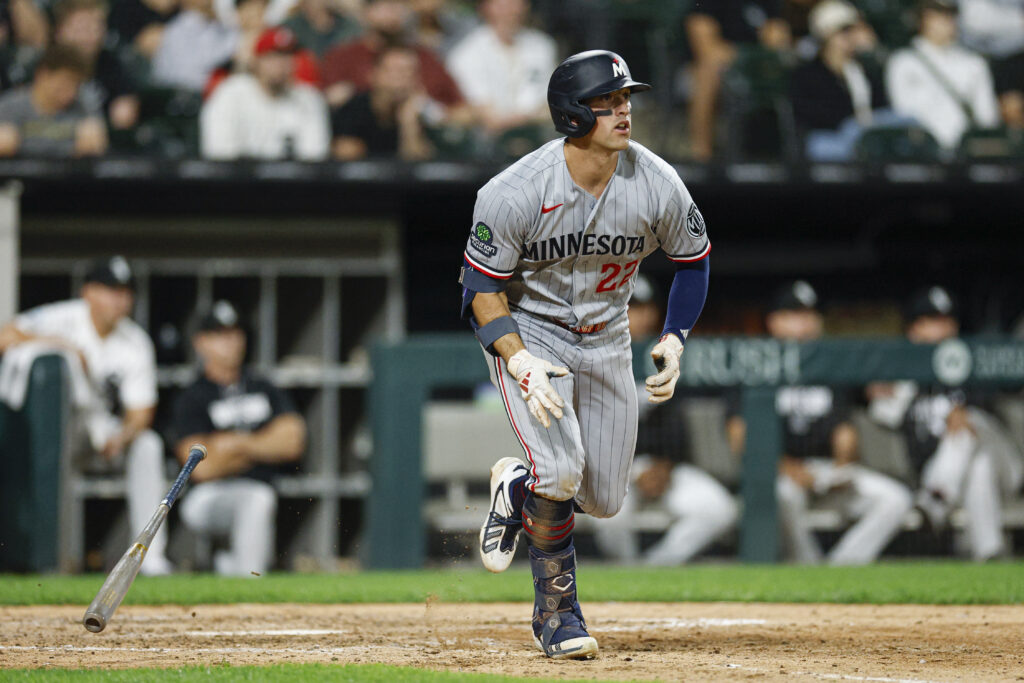
The Twins have officially moved Brooks Lee to third base, with manager Derek Shelton confirming this week that the position is Lee's defensive home going forward. The shift follows Royce Lewis's demotion to Triple-A St. Paul and closes the door on an experiment that positioned the former eighth overall pick at shortstop. For a franchise that invested heavily in Lee's development, the positional shuffle carries real organizational implications—both for how the Twins value their young talent and for what comes next in their infield construction.
Lee's move off shortstop isn't a surprise given the defensive realities. Shortstop demands elite lateral range and arm angles that not every prospect possesses, and Lewis, despite his struggles, remains the organization's primary investment at the position. By moving Lee to the corner, the Twins are essentially acknowledging that his future value lies in bat-first production rather than elite defense. That's a reasonable recalibration. What matters now is whether he can hit enough to justify a third-base roster spot—and whether Minnesota's offensive infrastructure can absorb his plate appearances without dragging down run production.
The Lewis demotion signals organizational frustration. The former first-rounder has battled injuries and inconsistency, and Triple-A is a reset opportunity. If Lewis doesn't stabilize, the Twins face a hard choice: develop him further or pivot to external solutions. Lee's relocation buys them time to see if Lewis can recover without committing major league at-bats to a struggling shortstop. It's a patience play dressed up as a positional move.
For bettors, the infield shuffle carries immediate and downstream implications. Lee's move to third base likely means increased playing time against certain matchups—third base typically sees more usage variance than shortstop, depending on rest patterns and split management. If Lee is hitting left-handed pitching at above-average rates in Triple-A, watch for his MLB appearance to cluster against southpaws, which will create matchup-specific edges on his hit and RBI totals. The Twins' offensive outlook also shifts slightly: if Lee produces, it's additive to the lineup; if he struggles, Minnesota may need to lean harder on other sources of run generation, which could suppress team totals in games where he's in the order. Monitor his AAA performance closely. The moment his strikeout rate drops or his contact quality improves, the Twins will likely accelerate his call-up, and his prop lines will compress immediately. Early lines on Lee's offensive props after a promotion will carry value before the market prices in his actual performance environment.