MLB · roster-move
Turang Returns, But Brewers Face Workload Management Test Down the Stretch
Milwaukee's third-best position player by WAR is back in the lineup after a left-knee flare, but careful minutes rationing could limit his fantasy and prop value through September.
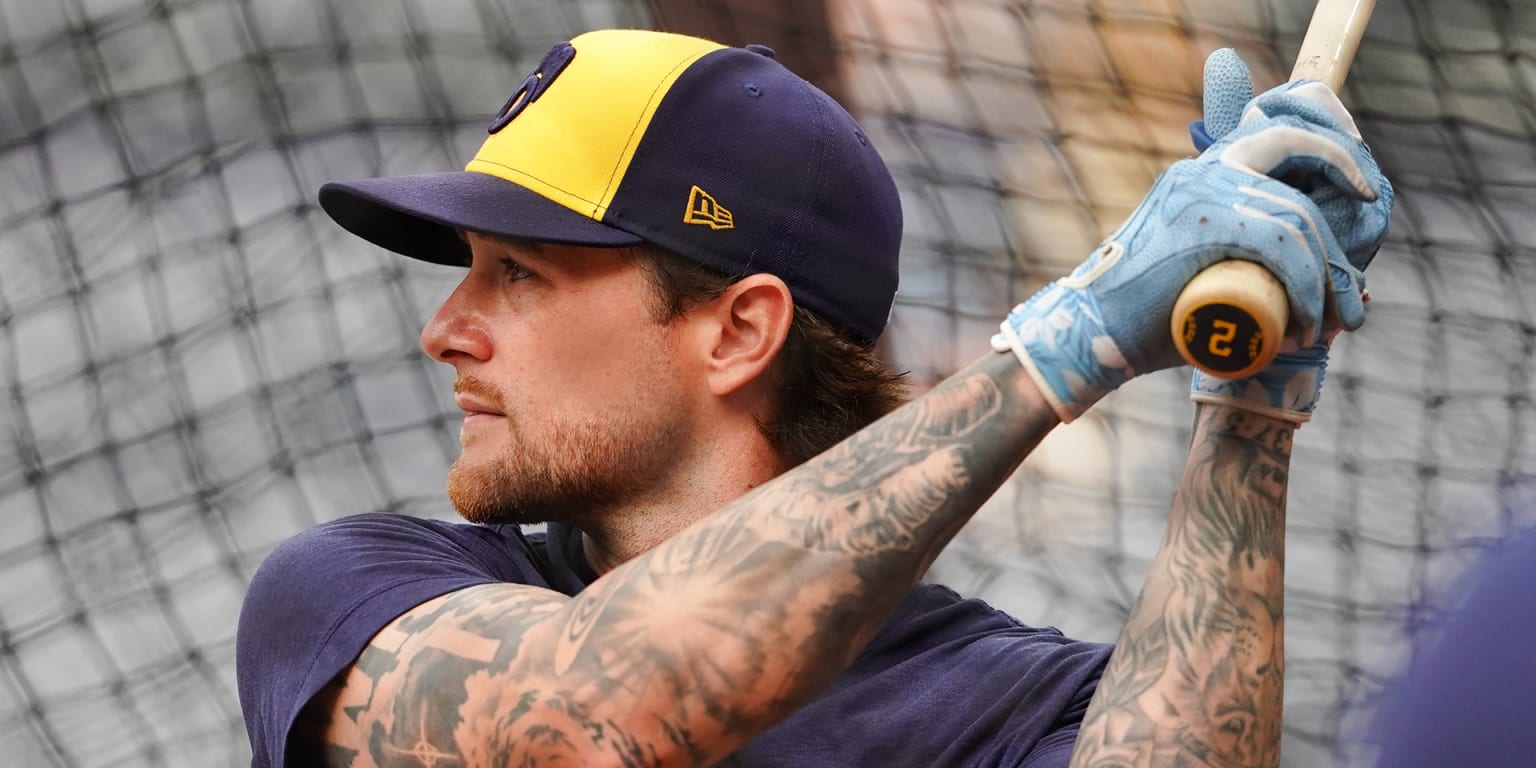
Brice Turang is back in the Brewers' lineup Tuesday against the Mariners after sitting out all four games of Milwaukee's series win in Los Angeles last week. The second baseman missed the Aug. 10-12 trip to San Diego and the subsequent four-game set against the Dodgers (Aug. 13-16) with recurring left-knee pain, though an early-August MRI showed no structural damage. The issue flared during the Padres series and kept him sidelined through L.A., but he's ready to lead off and play defense at American Family Field.
Turang's absence didn't derail Milwaukee—the Brewers swept the Dodgers and now hold a 4½-game lead in the NL Central with six weeks remaining. But the team's cautious approach to his availability reveals a calculus that extends beyond Tuesday's return. Manager Pat Murphy acknowledged the knee is something the organization will "manage," including monitoring Turang's pregame workload despite his reputation as a tireless prep worker. That language—collaborate, manage, careful—signals restricted usage patterns ahead, not a full-go return to 150-game durability.
The numbers explain why the Brewers can't afford to rush him back recklessly. Turang carries a 5.3 WAR, third among National League position players, with a .266/.358/.408 slash line, 16 homers, and a team-leading 75 RBIs through mid-August. He's not a part-timer; he's a pillar. But the knee management directive from Murphy—explicit collaboration with Turang on pregame routines, explicit acknowledgment of workload caps—points to a September where his plate appearances and defensive innings may fluctuate. Some games he'll DH or sit entirely; others he'll shoulder a full load. The pattern won't be predictable enough to build consistent prop leverage around, and the variance in his availability will suppress projection models that don't price in the volatility.
For bettors leaning on Turang prop lines (hits, runs, RBIs, or stolen bases), the edge shifts toward fading consistency bets until the team clarifies its usage protocol. A player with his talent normally generates reliable volume; a player with managed minutes generates noise. The market will likely price him as a full-capacity contributor because his talent and historical role demand it, but the front office's public framing tells you the Brewers won't treat him that way in real time. That gap—between his stat-sheet ceiling and his actual plate-appearance ceiling—is where the fade lives. Any line set for Turang at his typical seasonal pace through September contains embedded risk that the team's caution removes volume underneath.
For Milwaukee's team totals and run-line outcomes, Turang's return is a marginal positive—the Brewers are 4½ games up and won without him. But don't mistake his activation for a full-strength anchor. The organizational messaging is saying: we have a resource we need to preserve, and we're going to ration it.
MLB Intelligence — Baseball intelligence beyond the box score. Open MLB Intelligence →