MLB · injury
Casas Wrist Surgery Deepens Red Sox First-Base Crisis
A second procedure compresses Triston Casas's already-stalled timeline, leaving Boston without its cornerstone bat into the fall.
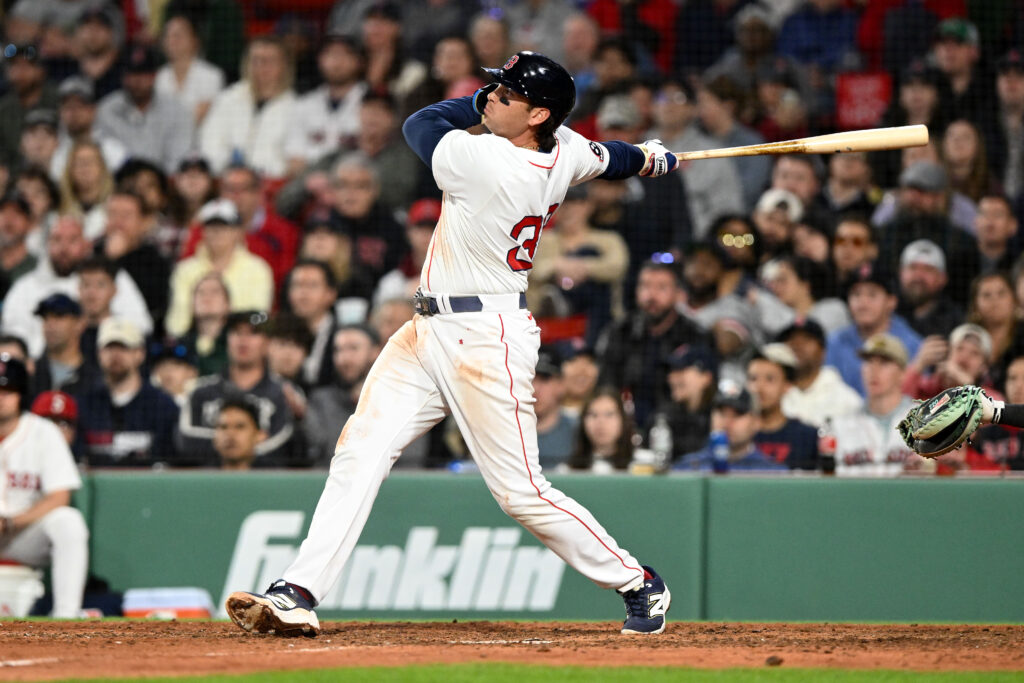
Triston Casas underwent left wrist arthroscopy on Wednesday, the Red Sox announced, marking another surgical setback for a player whose 2026 season has been consumed by injury. He was already on the 60-day injured list; the team provided no recovery window for the new procedure. For a franchise that signed Casas to a long-term deal betting on his offensive ceiling, the timing compounds an already bleak offensive picture.
Casas's absence has now stretched across the better part of the calendar. Injuries derailed his 2025 campaign as well, establishing a pattern that front offices and bettors can no longer treat as a one-off. The wrist procedure suggests structural damage significant enough to require surgical intervention—the kind of damage that doesn't typically clear within weeks. Even optimistic recovery timelines for arthroscopic wrist work run eight to twelve weeks minimum, putting any meaningful return well into September at the earliest, if at all. For a Red Sox team fighting for positioning in a competitive AL East, a first baseman capable of 30-homer seasons vanishing mid-August is closer to a season-altering blow than a temporary absence.
From a roster construction angle, Boston's first-base depth chart has been operating on fumes. The team has cycled through defensive stopgaps and part-time bats filling the gap Casas vacated. Those placeholders carry significantly lower offensive profiles—walk rates dip, strikeout rates climb, power disappears. The Red Sox offense was already underwater relative to division peers; subtracting a player with Casas's historical slugging percentages (he's career .480+ in limited healthy windows) from the daily lineup compounds the structural problem. Any pitcher facing Boston's lineup for the next six weeks faces materially weaker opposition at a position that historically carried run-production leverage.
For bettors, the prop angle crystallizes around two mechanisms: Red Sox team totals and opponent overs. The team total markets price Boston's offensive capacity as a function of roster construction. Casas's removal from rotation permanently—not temporarily—recalibrates the run-production ceiling for every remaining game on the schedule. Sportsbooks will adjust aggregate expectations, but the adjustment lags lineup changes by 24–48 hours, especially on mid-week announcements. Any Red Sox team total posted before market recalibration carries inflated pricing. Similarly, pitchers drawing Boston as an opponent will face a weakened lineup; if the number hasn't already absorbed the Casas absence, opponent overs carry edge. The concern is volatility: if another Red Sox hitter heats up or Boston trades for reinforcement, the edge evaporates. Play early numbers only.
The wrist surgery itself suggests Casas's 2026 is functionally over. No team brings a player back from wrist arthroscopy mid-September to chase pennant hopes; the risk-reward math doesn't support it. Boston's brass will be managing his timeline toward 2027 readiness, which means betting should treat his return as speculative and low-probability. Fade any prop suggesting Casas contributes meaningful plate appearances in 2026. The investment thesis for the Red Sox offense just shifted downward.
MLB Intelligence — Baseball intelligence beyond the box score. Open MLB Intelligence →