Cardinals' Surprise Contention Masks a Bullpen Crisis That Threatens Deadline Strategy
By Justin Erickson ·
St. Louis's unexpected Wild Card position puts front-office pressure on a relief corps that has surrendered leads repeatedly, forcing tough choices on whether to retool mid-season or stay the rebuilding course.
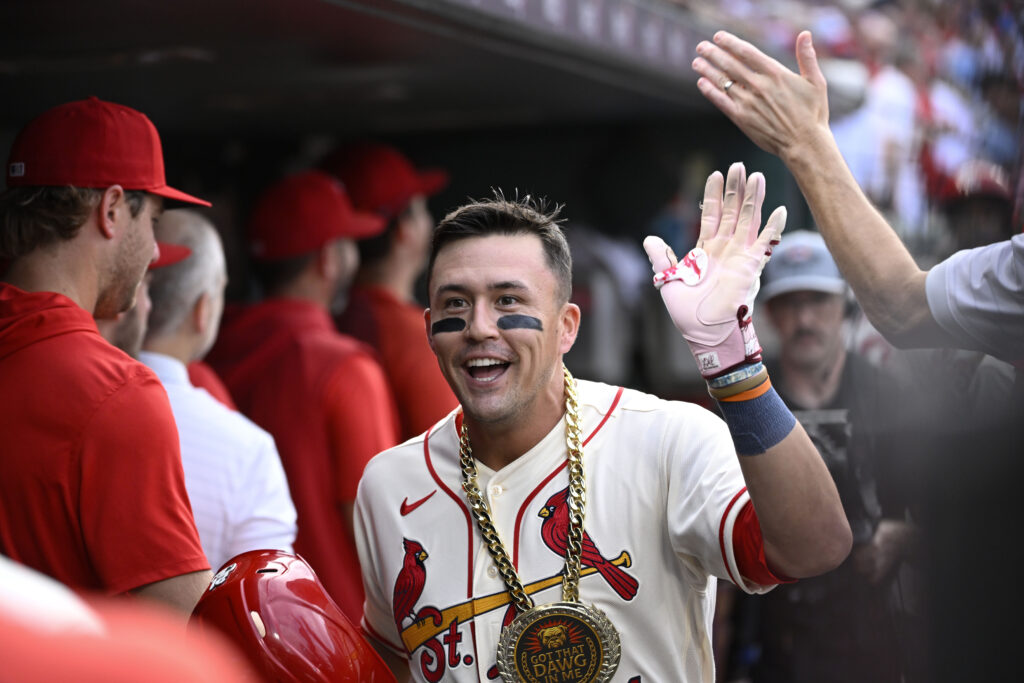
The Cardinals entered 2026 as a rebuilding outfit. A youth movement and significant payroll reduction last offseason telegraphed internal expectations: take your lumps, develop prospects, compete in 2027 or 2028. Then the season happened. St. Louis finds itself squarely in the Wild Card picture as of late July, a position that wasn't supposed to materialize until years of roster turnover had completed. That competitive reality now collides with an obvious operational weakness: the bullpen is hemorrhaging games.
The relief corps has become a serial closer of leads—not the kind that delivers saves, but the kind that surrenders them. Late-inning collapses have stacked up across the last month, each one raising the same question for the front office: Do you patch this hole and stay in contention, or do you accept the losses as part of the rebuild process? Left-handed relief represents the most glaring gap. The current slate of LH options lacks both command and pedigree; Justin Bruihl in particular lacks the stuff or performance baseline to inspire confidence in high-leverage spots. The market for deadline relief is always expensive—teams with viable arms know their value—but a team suddenly in position to compete faces a choice between paying premium prices or watching its window close from self-inflicted wounds.
One possible avenue: acquiring a failed starter willing to transition to bullpen work. Kyle Freeland, 33 and underperforming at Colorado, represents that archetype. He's an impending free agent with diminished trade value as a starter; a move to the bullpen for the final two months could reset his offseason narrative while addressing St. Louis's immediate need. Colorado, saddled with an overpaid underperformer headed out the door anyway, would jump at payroll relief in exchange for minimal prospect cost. Similar candidates exist—teams with regressing starters will listen to calls from contenders seeking bullpen depth. The Cardinals' unexpected competence puts them in the uncomfortable position of having to spend capital they didn't expect to deploy.
From a betting perspective, the timing and scope of these moves matters acutely. If St. Louis stands pat and leans on its current relief depth, unders become more attractive on Cardinals team totals for the rest of July and into early August—the bullpen's recent collapse pattern (leads surrendered, late-inning meltdowns) is a direct mechanism for depressing final run totals. Relief additions that arrive by August 1st take time to integrate and stabilize, so the immediate impact is modest; the real improvement surfaces in September when new arms have settled in. Conversely, if the Cardinals make a bullpen trade before August 1st, that signals internal confidence in staying competitive, which should shift team total expectations upward only after a stabilization window of 7-10 games. Current lines likely price the relief uncertainty into Cardinals team totals at 3.5-4.0 runs. That spread reflects playoff-hopeful pricing with a damaged pen; if relief gets addressed with a week left in July, books will need to adjust. If it doesn't, unders gain structural edge because the path to runs remains compromised.