Tong's Mechanics Fix Signals a Real Prospect Rebound—and Mets Rotation Relief
By Justin Erickson ·
After a year of mechanical unraveling, Jonah Tong has rebuilt his delivery and could debut in Miami as early as next week, offering the Mets a rotation lifeline down the stretch.
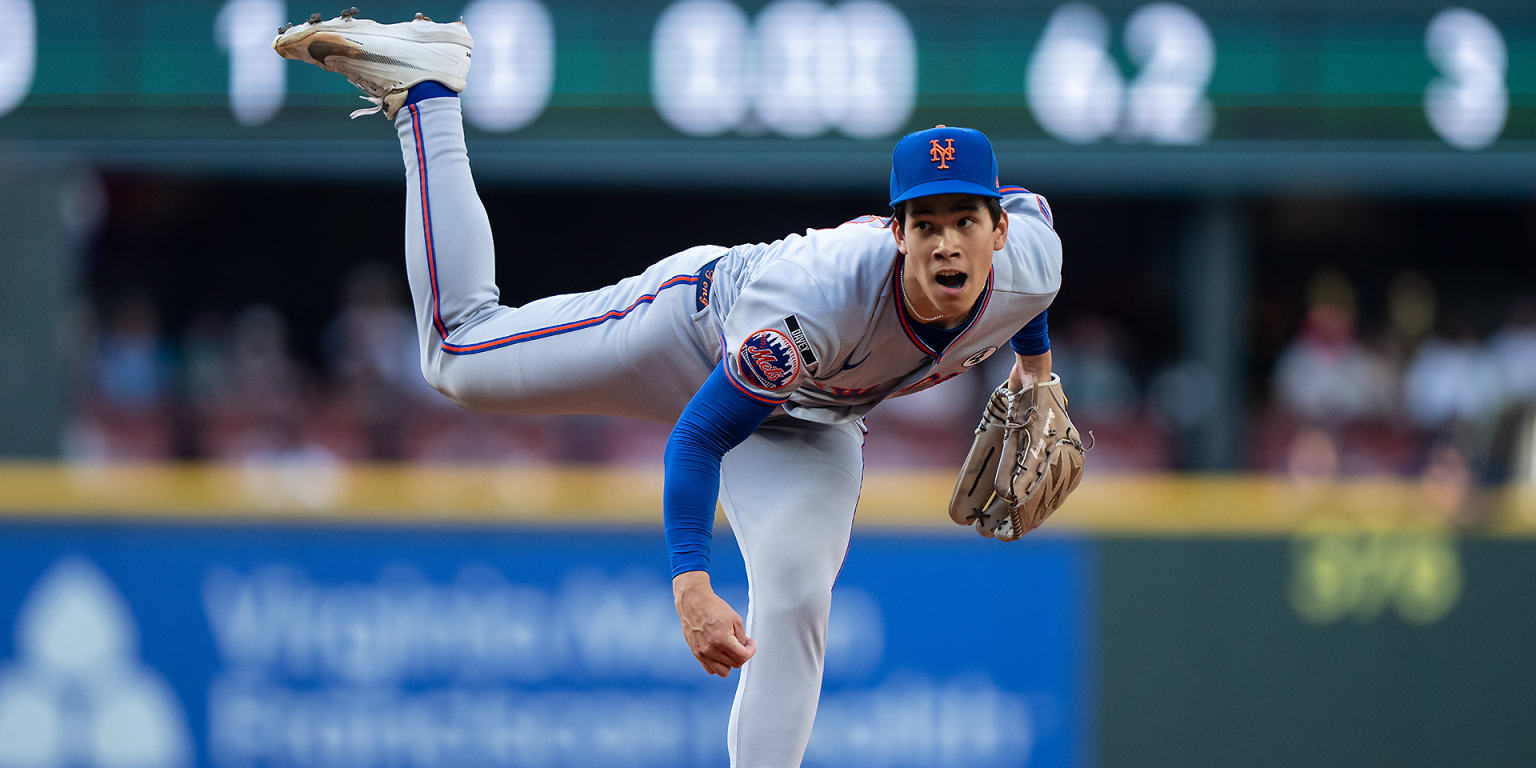
Jonah Tong's arc from baseball's brightest young arm to organizational afterthought took exactly one year. Last September, the 22-year-old right-hander completed one of the most explosive ascents in Mets history—six weeks, multiple minor-league levels, eight starts, three earned runs. By spring 2026, the narrative had inverted. Struggles carried into the regular season. A May call-up yielded nothing. For months, Tong sat in Triple-A Syracuse, a prospect whose star had dimmed so quickly that his ranking inside the Mets' system fell from near-elite to No. 5. On Wednesday, manager Andy Green resurfaced the possibility of another call-up, possibly next week during the Miami series. But this time the machinery has changed.
The mechanical collapse wasn't about throwing a cutter, as some observers assumed. Tong did experiment with a crossfire fourth pitch in spring training—a sensible addition that should have expanded his mix. What actually derailed him was a lower-half sequencing problem that rippled through his entire kinetic chain, causing his arm angle to drop 12 degrees from his 2025 baseline. Once that happened, the feel for his fastball and breaking-ball location evaporated. Triple-A pitching coach A.J. Sager watched Tong chase his old form for months before the two isolated the root cause and started rebuilding from the ground up. The fix wasn't cosmetic. It was foundational.
Recent results suggest it stuck. Over his last four outings for Syracuse, Tong has registered a 0.84 ERA. In his most recent start, he pieced together seven innings and came within one out of a no-hitter. That kind of sustained excellence—especially at Triple-A depth—doesn't happen by accident. A pitcher doesn't throw 0.84 ERA ball over four consecutive starts unless the mechanics are genuinely sound and the competitive edge has returned. The narrative now pivots from "prospect flame-out" to "prospect recovery," a meaningful distinction in how you evaluate the player and the Mets' need for rotation depth heading into September.
From a betting perspective, Tong's call-up introduces volatility into an otherwise defined Mets pitching schedule. If he debuts in Miami next week (Week of September 8-14), he becomes a wild card in starts you might otherwise forecast with confidence. Bullpen activity could spike upward if Tong's first big-league outing since May produces early exits. Conversely, if he strings together 5-6 efficient innings, it lowers the Mets' need to burn relievers and keeps their team total prop in play in games where they'd normally see elevated bullpen usage. The market hasn't yet priced in a Tong start, so any line built before his promotion will reflect baseline Mets rotation assumptions. Once he's officially added to the roster, expect sportsbooks to adjust bullpen-touched props (NRFI, first-five-innings totals) downward for his starts and upward for the games immediately surrounding them, as the Mets manage workload around a returning prospect.
Tong's mechanical recovery also matters for his strikeout baseline. At his 2025 peak, his high arm angle produced upper-zone fastball carry and strikeout rates consistent with a premium young starter. The 12-degree drop had depressed his K rate temporarily, but if the lower-half fix has truly restored his arm slot, his strikeout profile should trend back toward his better self. Bet his first start with caution—single-game samples from returning arms are noise. But if he strings together two solid outings, K props should become actionable again.