Tolle's Perfection and the Red Sox Pitching Mirage: What a Quality Start Streak Actually Reveals About Boston's Real Problem
By Justin Erickson ·
Nine straight quality starts from Boston's rotation mask a team that can't sustain offensive production, and that asymmetry creates a specific edge against Red Sox overs for the remainder of June.
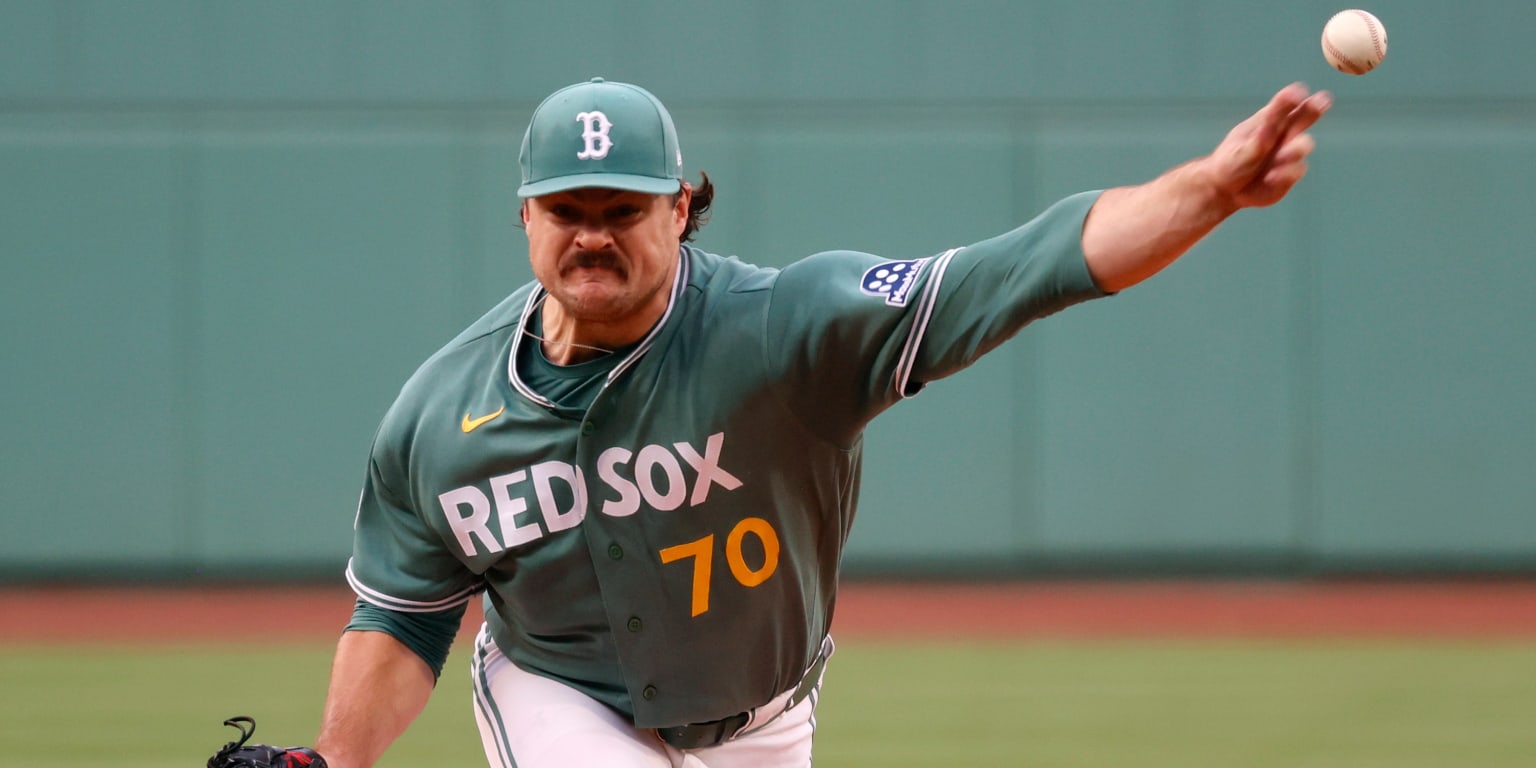
Payton Tolle retired the first 16 batters he faced Friday night at Fenway, delivering one of those performances that briefly makes a struggling franchise look whole. Seven scoreless innings, one hit allowed, and the Red Sox offense finally showed up, routing the Yankees 6-1 to take the first two games of the rivalry series. For a team sitting at 34-46—nearly at the midpoint of the season with a record that screams dysfunction—a win of this caliber against New York feels like the beginning of something. It probably isn't.
The real story lives in the rotation's nine-game quality start streak, a run in which Boston starters have posted a 1.72 ERA across 57⅔ innings with a 63-to-15 strikeout-to-walk ratio. That's legitimately elite work. But here's where the math breaks: elite pitching can only carry a team so far when the offense averages 4.2 runs per game in those same nine contests. The Red Sox aren't one dominant starter away from contention. They're a balanced roster that caught fire offensively for one night—Willson Contreras snapped a brutal 5-for-38 slump with an RBI single and a solo homer, and rookie Tsung-Che Cheng chipped in a double in his major-league debut. This is what hope looks like when you're 12 games under .500. It doesn't look sustainable.
Contreras is precisely the kind of hitter whose workload and production matter for prop positioning. He entered Friday in a genuine cold spell that extended over a meaningful sample; when a corner bat of his pedigree goes dormant for nearly 40 at-bats, that's not noise—it's a signal that the underlying approach or pitch recognition has degraded. One game with a homer doesn't erase that pattern. The question for his props going forward is whether Friday's aggression (the bat flip, the confrontation with Will Warren) and subsequent success represent a lasting recalibration or a single cathartic night. Early in a slump reversal, hitters often see a handful of good pitches and don't miss; the market tends to overweight one positive outing and dial up hit and RBI props the very next day. If Contreras hasn't actually fixed his mechanical or recognition issue—if Friday was just good luck against Will Warren—his batting average will compress back down, and any overs on his hit or RBI totals become live fades within 48 hours.
For Red Sox team totals specifically, the pitching excellence creates a false floor. The market sees nine quality starts in a row and extrapolates that into a team-run-rate bump; in reality, Boston is winning games 6-1 and 4-0 because of one or two offensive eruptions per series, not sustained run creation. The club's underlying scoring environment hasn't improved—the rotation is just preventing the margin from ballooning into total defeats. This is a critical distinction for totals pricing. Games in which Tolle or another elite starter takes the mound should trade with lower team totals, not higher ones, because the game shape itself (low-scoring, margin-dependent on an early break) compresses expectations. If the market is pricing Red Sox team totals at 4.5 or higher on nights when the rotation is dominant, that represents a systematic misprice. Fade those overs aggressively. The wins are real. The run environment that created them is not.