Marlins Clutch Doesn't Carry: Triple Play Overshadows Eight-Game Freefall Into Astros Finale
By Justin Erickson ·
Miami's defensive highlight reel can't mask an offensive collapse that has stalled their wild-card hopes; Houston's bottom-tier pitching staff enters Wednesday as the leverage play.
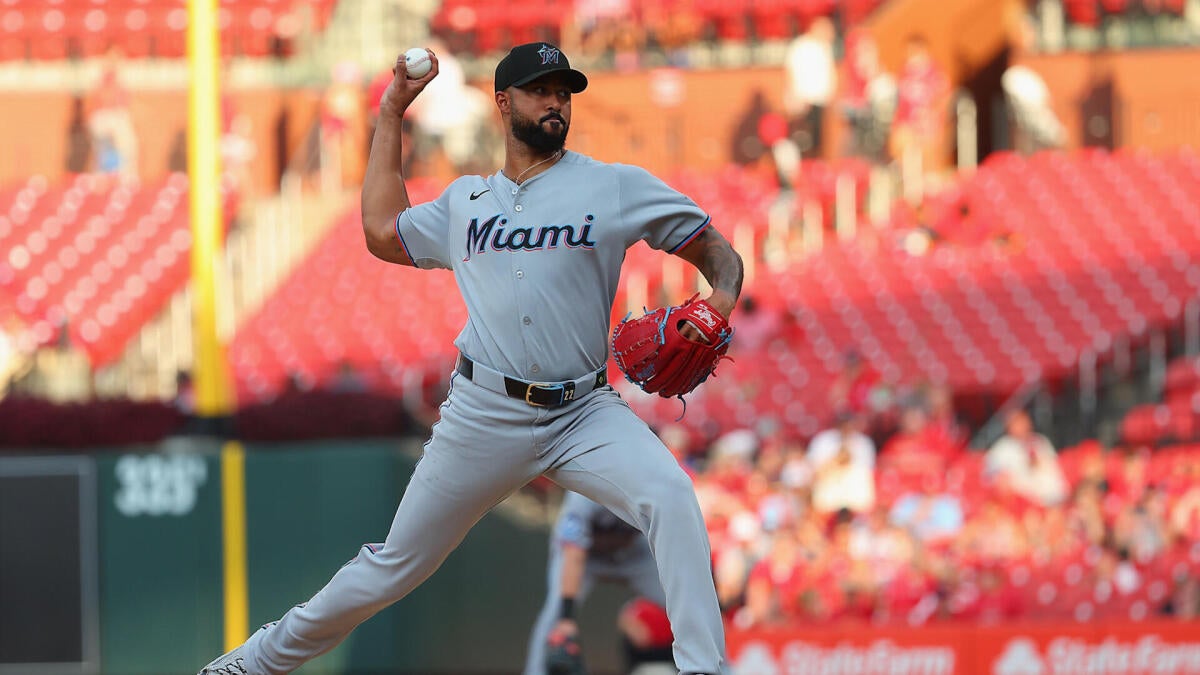
The Marlins turned a franchise-second triple play on Tuesday—their first since 2002—and still lost. That sequence, engineered by Leo Jimenez, Xavier Edwards, and Kyle Stowers in the eighth inning, stopped Houston's bleeding in the moment but couldn't interrupt Miami's eight-game losing streak, the franchise's first skid of that length since 2023. The Marlins (52-50) now sit seven games back of Atlanta in the NL East and just a half-game outside the third wild-card spot, but momentum is a fiction when your lineup can't manufacture runs. They visit the Astros (49-54) Wednesday evening knowing that a ninth consecutive loss matches their sixth-longest skid in franchise history; a tenth would require traveling back to August 2022 for a comparison point.
Houston hasn't resembled a contender either—a 49-54 record in late July is a terminal diagnosis for playoff positioning. But the Astros have won two straight in this series, and their closer Josh Hader continues to shut down late-game opportunities (three outs recorded against pinch-hitters and the three-two-one). Isaac Paredes delivered a three-run home run in Houston's victory, a reminder that even a basement-dwelling lineup can execute power sequences. The Astros are -119 moneyline favorites, a light line for a team playing at home against a spiraling opponent, but the consensus reflects the volatility embedded in both lineups.
The broader Wednesday MLB card leans toward volatility. Cleveland hosts Minnesota in a contest where the Projection Model pegs the total over at nearly 58% hit rate; those two teams have combined for 17 runs in their opener this season and averaged five runs per game in eight matchups. The Dodgers (-120 vs. Philadelphia) carry the weight of a 64-38 record into Citizens Bank Park, but the Phillies' 10-7 offensive explosion in Game One followed by a game-ending double-play loss on Tuesday suggests a team whose execution—not talent—is in flux. Meanwhile, Atlanta's -118 line against San Diego looks synthetic; the Braves are seven games clear in the division, but San Diego has gone 4-1 against them this season, and the Padres' two-game wild-card deficit carries playoff pressure that regular-season records don't always reflect.
The Marlins-Astros matchup presents a narrow angle: Miami's offense has scored 3.1 runs per game over their eight-game skid, while Houston's pitching has allowed 4.8 runs per game over the same window. Both teams rank outside the top 15 in run production, but the Astros' home advantage and Miami's fatigue suggest the under on a game total projected around 8 carries less tail risk than chasing either side. The Astros' pitching depth is a liability (they're 29th in runs allowed per nine innings), but the Marlins' inability to generate baserunners—they've left 34 runners stranded across their last eight games—means even a below-average Houston starter can manage through five innings. The market hasn't fully priced the downside of Miami's offensive drought; a team that can hit a triple play but can't score in eight consecutive games is more likely to continue that pattern than to snap it against a Houston team that, while flawed, is still in the building phase of a potential collapse.