Mize's Adductor Injury Reshuffles Detroit's Rotation and Bullpen Depth
By Justin Erickson ·
Casey Mize's return to the injured list forces the Tigers into a three-way roster shuffle that exposes both their pitching depth and near-term starting-pitcher uncertainty.
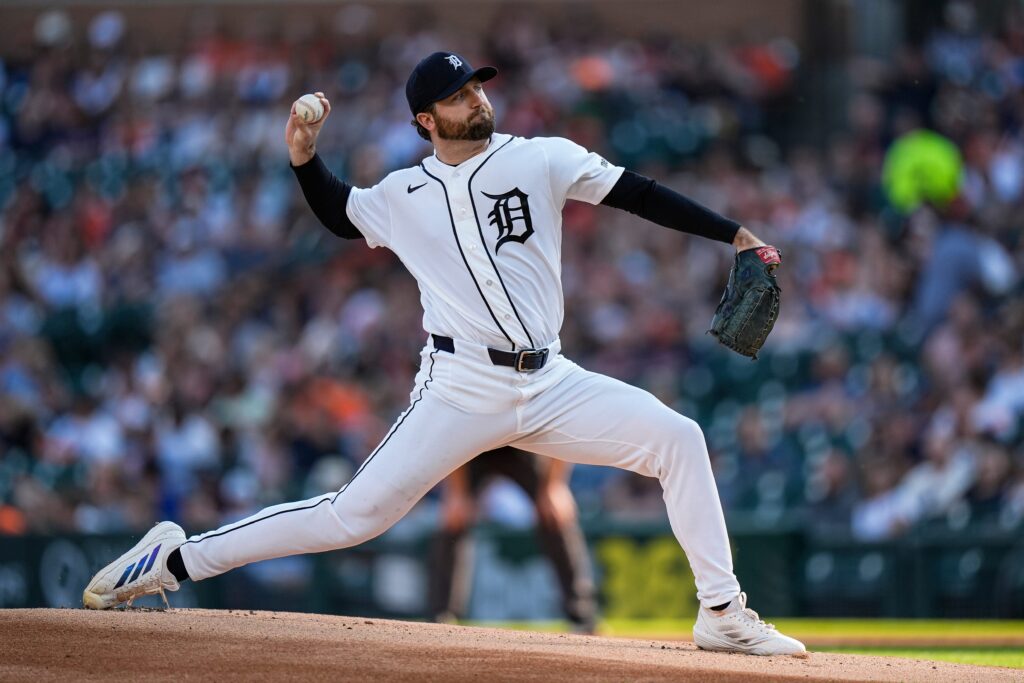
Casey Mize is back on the 15-day injured list with right adductor inflammation, retroactive to May 28, marking another setback for a pitcher Detroit has banked on as a rotation cornerstone. The Tigers filled the rotation vacancy by recalling reliever Beau Brieske from the 60-day injured list, then pushed southpaw Brant Hurter to the 60-day IL to clear a 40-man roster spot—a three-move transaction that reveals how thin Detroit's starting-pitcher buffer has become.
Adductor inflammation is a muscular issue that typically sidelines pitchers for 2-3 weeks minimum; throwing mechanics load heavily through the lower abdomen and hip, so even minor strains in that region can spike injury risk if a pitcher returns prematurely. Mize's placement retroactive to May 28 suggests he either felt the injury during a start or ramped up workload in ways the team deemed unsafe. At 28 years old with a career 4.21 ERA across 120 starts, Mize was supposed to be Detroit's second or third arm—someone stable enough to shoulder innings while younger prospects develop. Instead, the Tigers are now juggling bodies around him.
Brieske's reinstatement from 60-day IL is the move with immediate on-field consequence. The 27-year-old right-hander has carved a career as a power reliever (10.2 K/9 in MLB stints) but started this season in Detroit's system after an elbow issue. If the Tigers deploy him in high-leverage situations—closer to save opportunities, late-inning runner-on-base scenarios—his strikeout rate becomes relevant to team totals and game scripts. Hurter, the 25-year-old southpaw sent the other direction, was expendable, a marker that Detroit trusts Brieske's arm more than the left-side depth chart going forward.
From a wagering perspective, Mize's absence directly impacts Tigers starting-pitcher strikeout and innings props for the next rotation cycle. Games where Mize would normally carry a full workload will now route through a replacement starter—likely someone with lower strikeout upside or shorter leash. The Tigers' team total and run line will become sensitive to whoever makes that start; a pitcher with worse-than-Mize strikeout rates or shorter typical pitch counts flattens offensive pressure on opposing bullpens and skews the game total downward. Look for Tigers opponent team totals to tick upward in games where the replacement starter is less dominant than Mize's season average (4.5 K/9). Conversely, if Brieske becomes a closer or prominent late-inning weapon, games with save-eligible situations favoring Detroit may see inflated strikeout props as he enters high-KO-rate innings.
The durability question is real: a team carrying this little depth at starting pitcher cannot afford to lose a third or fourth regular rotation arm without major disruption to their competitive window. If Mize's recovery stretches beyond 15 days, Detroit will be forced to either promote a prospect or cannibalize the bullpen further—scenarios that shift the entire pitching economy in their favor or against them depending on who fills the void.