The Strikeout That Saved Detroit: How a Two-Outs Rule Turned a Bases-Loaded Crisis Into a Timing Gem
By Justin Erickson ·
Troy Melton and Dillon Dingler executed a play so rare that most hitters and catchers never encounter it in a career—and it bailed the Tigers out of a first-inning nightmare.
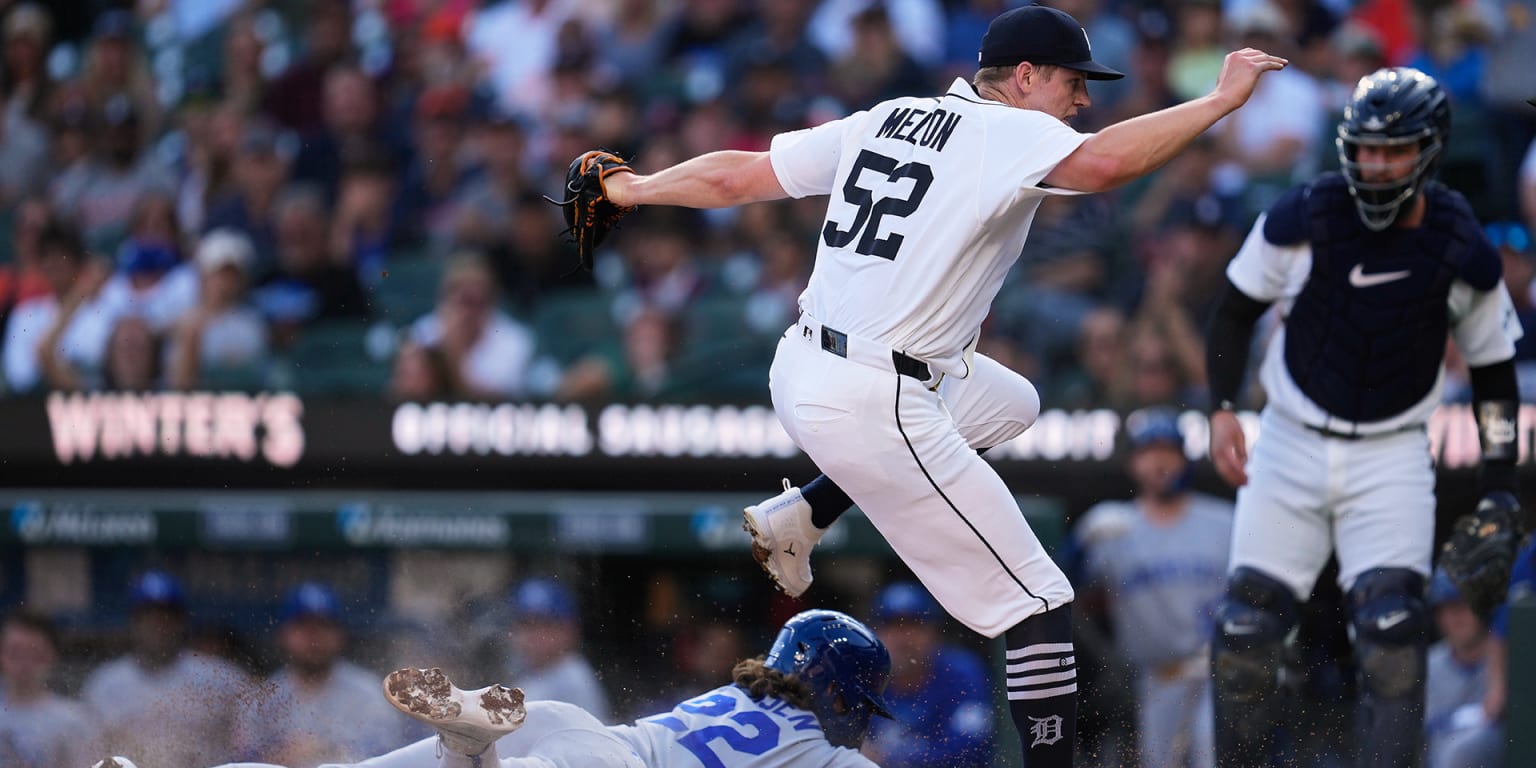
The Royals loaded the bases with one out in the opening frame Thursday at Comerica Park, having worked Troy Melton for 28 pitches. Salvador Perez's walk capped a grinding sequence that had Detroit's starter on the ropes: Carter Jensen on base from a leadoff walk, Vinnie Pasquantino singled, and Perez battled through ten pitches to fill the sacks. Melton responded with back-to-back three-pitch strikeouts—Michael Massey and then Isaac Collins—to thread the needle and escape without damage.
The Collins strikeout, however, arrived via a slider that landed in the dirt and skipped past catcher Dillon Dingler. Under standard rules, that's live ball, and with a runner on first and fewer than two outs, Collins would've been automatically out due to the force play at second. But Detroit had two outs in the inning. That distinction—one out or two outs—is the difference between a strikeout standing and a base-running scramble. With bases loaded and two outs, the uncaught third strike becomes a sprint to first base for the hitter, not an automatic putout. The force play at home, however, was already in effect: any defensive touch of the plate before Carter Jensen arrived would record the third out.
Melton corralled Dingler's underhand flip with a reach above his head and stepped on home plate just before Jensen's slide. One motion, one throw, one touch—and the jam was erased. It's the kind of play that requires both timing and the specific arithmetic of outs and runners in scoring position. Most battery mates never face this scenario during their entire careers. The rarity speaks to the precision required: a wild pitch on the third strike, two outs already recorded, bases full, and the pitcher's awareness that a force play is still live even on a passed ball.