Teng's Early-Season Surge Reshapes Houston's Rotation Architecture
By Justin Erickson ·
Three starts into his Astros tenure, the former Giant has posted a 2.61 ERA and forced Houston to recalibrate its offseason bet on Peter Lambert.
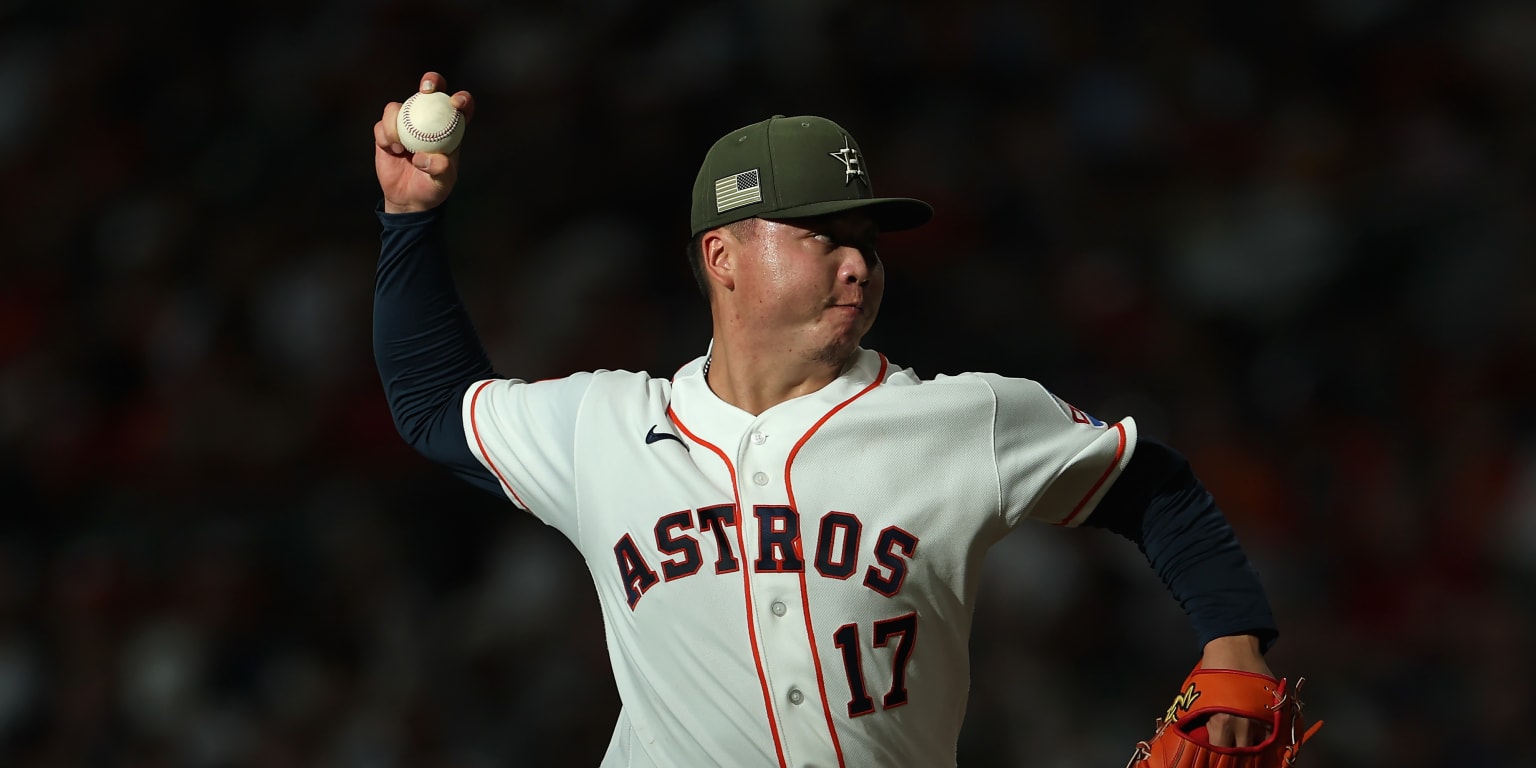
Kai-Wei Teng tossed five scoreless innings Saturday night against Texas, striking out seven while scattering two singles and four walks in Houston's 4-1 victory over the Rangers. It was his third start of the season, and the performance marked the first time this year the Astros have strung consecutive scoreless outings from their starters—Teng following Spencer Arrighetti's 7 1/3 scoreless frames from Friday. The control numbers are mixed; those four walks suggest Teng's command remains a work in progress. But in a rotation where three of seven offseason acquisitions (Tatsuya Imai, Mike Burrows, and others) have combined for unplayable ERAs, Teng's 2.61 mark has become a genuine roster asset.
Teng arrived in January via trade from San Francisco, a move that ranked somewhere behind Peter Lambert in Houston's offseason pecking order. The organization handed Lambert the Sunday slot—the most prestigious rotation chair—while Teng opened the season in the bullpen. That hierarchy is quietly inverting. Through three starts, Teng has allowed just one unearned run across 10 1/3 innings. Lambert, by contrast, carries a 2.76 ERA in four starts but has shown less consistency in low-leverage situations. The Astros now face a resource allocation question: does Teng earn more consecutive starts, and does Lambert's rotation spot remain untouchable?
The offensive fireworks—four solo homers, with Jose Altuve's leadoff shot marking his 37th career homer against Texas (his most against any team)—masked a deeper concern. Altuve departed in the eighth inning after a double-play ground ball while favoring his left side, and the team offered no immediate clarity on his status. If the injury sidelines him for a meaningful stretch, Houston's offensive mathematics shift sharply. Altuve has carried a .281 ISO against right-handed pitching this season, and his absence would place heavier load on Yordan Alvarez and a thin bench.
For prop bettors, Teng's durability has tilted the first-five-innings market. His last two starts have produced clean five-inning frames with 12+ strikeout-to-walk ratios improving steadily. Against weaker offenses—particularly those that don't employ shift-heavy defenses—his whiff rate (27.3% over his last two starts) creates consistent under opportunities on opponent run totals when he takes the ball in the first five innings. The Rangers specifically gave up four homers in this contest, but their strikeout rate of 24.8% ranks in baseball's top ten, making them vulnerable to accumulation-based strikeout bets from Teng's elevated pitch mix. Conversely, Altuve's injury status demands monitoring; if he lands on the injured list, Houston's team total projections drop by 0.3–0.5 runs per game, particularly in contests where the Astros face sub-par pitching.
The rotation depth picture has also sharpened. Houston's playoff equity depends on back-end starter reliability. Teng's emergence as a viable third or fourth starter (ahead of Imai and Burrows in the depth chart) reduces the organization's need for a mid-season deadline acquisition. Bettors should watch his next matchup's implied total carefully—the market may still be pricing him as a bullpen asset rather than a league-average starter.