MLB
Teel's Ankle Rehab Outpaces Initial Forecast—White Sox Catching Timeline Tightens
Kyle Teel's recovery from a high ankle sprain is accelerating faster than the 8-12 week initial prognosis, signaling a potential late-August return window that could reshape Chicago's offensive profile and backup catcher leverage.
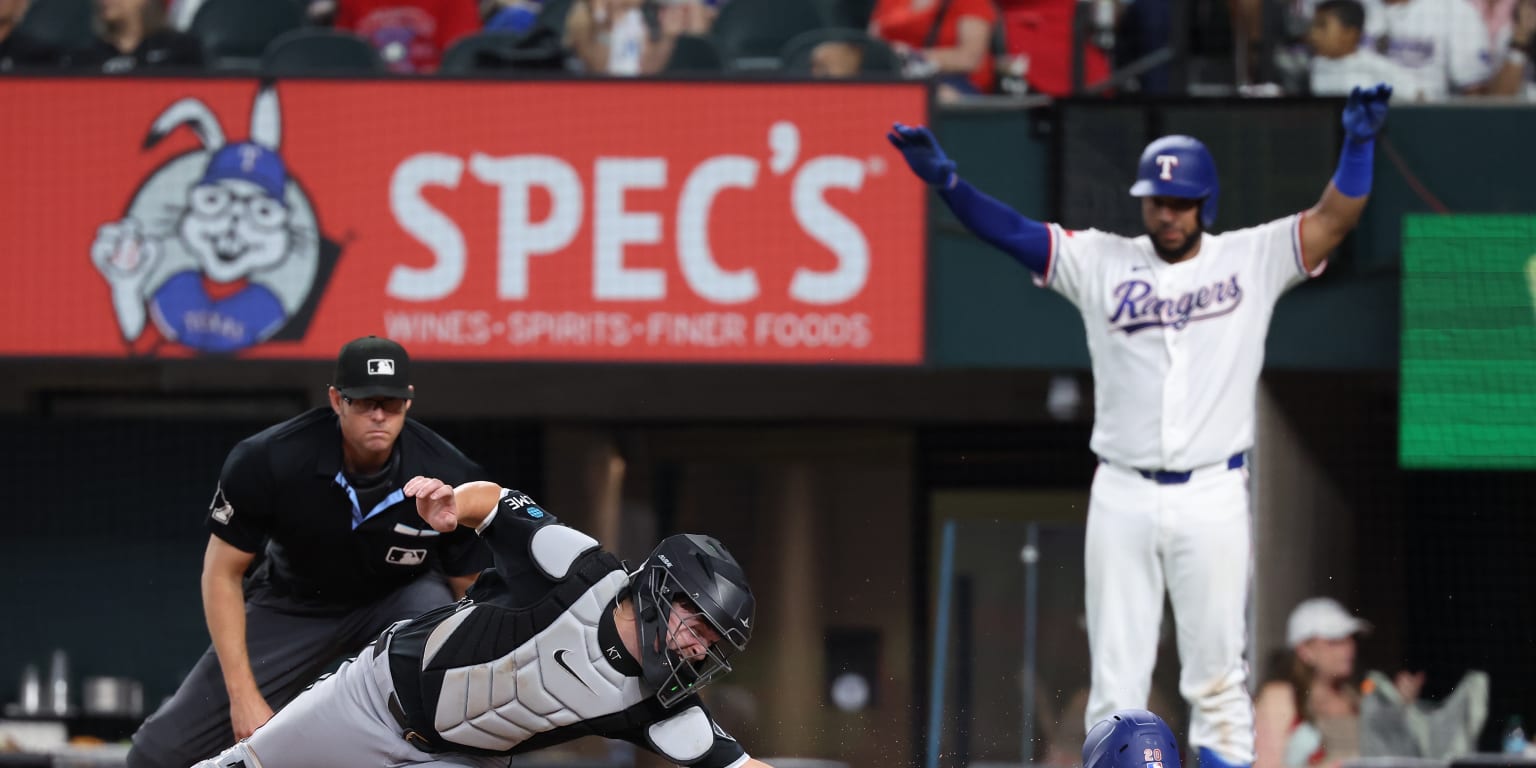
Kyle Teel sustained a high left ankle sprain on July 20 while attempting to tag out Ezequiel Duran at home plate during Texas's 10-3 loss. Initial diagnosis prescribed 8-12 weeks of absence, a timeline that would have sidelined the White Sox starting catcher well into September. But 23 days into recovery, Teel is moving at pace that suggests a materially compressed timeline.
The mechanics of his progress tell a clearer story than optimistic sound bites. Two weeks prior to this week, Teel was still wearing a boot and limping; he's now running at 90% of his top sprint speed, a jump from 50% when he first introduced running earlier this week. Wednesday marked his first meaningful swing work—tee drills and flips—moving beyond dry swings. Manager Will Venable's assessment reinforces the trajectory: Teel should be "full-go hitting" within approximately one week, with catching mechanics already in development through stationary drills and framing work. Venable explicitly projected a rehab assignment window "around the end of the month"—roughly August 28 through early September, with a variance of "a week on either side."
This acceleration matters because Teel isn't a backup catcher. He's Chicago's primary offensive option behind the plate and a consistent lineup presence. His absence has forced reliance on depth pieces and shifted offensive leverage. When he returns, the White Sox offense gains a fully-healthy high-velocity hitter back into regular at-bats, which carries direct implications for team run-scoring projections and lineup consistency. The injury timeline also overlaps with late August push into September baseball—the window Teel himself noted as his target for readiness.
For prop bettors, the angle is forward-looking rather than immediate. If Teel clears a rehab assignment and returns to full action in early September (within Venable's stated window), White Sox team totals should attract scrutiny. The market has priced Chicago's offense under the assumption of sustained absence; reintroduction of a quality catching bat in the final month shifts run-environment assumptions upward. Additionally, backup catchers and reserve hitters who've filled Teel's spot carry inflated usage rates and prop lines built on that artificially elevated role. Once Teel returns, those depth pieces revert to bench usage, meaning their per-game prop lines become vulnerable to compression. Conversely, Teel himself—assuming a gradual playing-time ramp—could offer value on low-volume receiving props (foul balls caught, innings played) as he re-acclimate to game intensity after high ankle repair.
The durability question shadows this narrative. Teel has already logged three significant injuries in 2026: a Grade 2 right hamstring strain on March 10 during World Baseball Classic play, followed by an LCL knee strain on May 16 during Triple-A rehab. A third injury within six months suggests either underlying tissue fragility, training load sequencing issues, or a streak of cascading bad luck. Even if his ankle accelerates, the pattern invites caution on season-long durability bets. Short-term prop angles (September returns, immediate-use lines) carry more edge than full-strength season assumptions.
MLB Intelligence — Baseball intelligence beyond the box score. Open MLB Intelligence →