MLB
Painter's Workload Management Signals a Long-Game Build for Philadelphia
The Phillies' cautious handling of their prized rookie reveals a franchise betting on delayed gratification—and it reshapes how to price his early-season appearances.
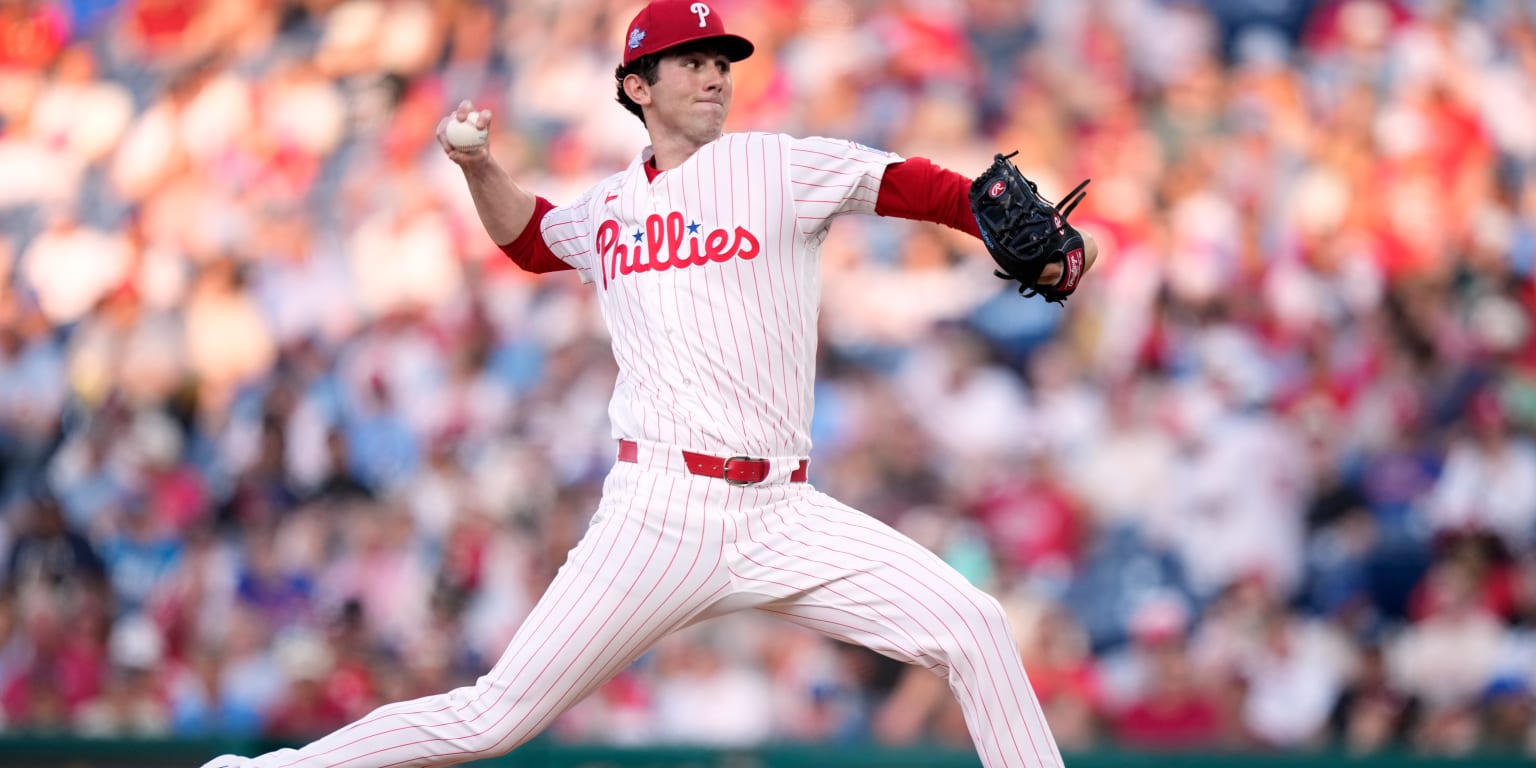
Andrew Painter completed six innings for the first time in his major-league career Monday night, but what matters more is what didn't happen: Don Mattingly left him on the bench despite 69 pitches and ten consecutive batters retired. The Phillies beat the Reds 5-4, with Alec Bohm and Bryson Stott providing the offensive cushion Painter needed. This restraint after Painter was similarly pulled at 62 pitches in his previous start against Boston isn't negligence. It's a deliberate strategy from a front office that views the 23-year-old as foundational, not as a short-term Band-Aid for a rotation hole.
Painter's first seven starts carried a 6.89 ERA—a number that would ordinarily trigger panic or roster moves in Philadelphia. Instead, the organization doubled down on process over results. Six innings of two-run ball on Monday, three strikeouts, two walks, three hits: those are incremental wins in a development arc, not a verdict. The Phillies are building his confidence and innings capacity in parallel, which means his pitch counts will remain artificially suppressed for weeks. Mattingly signaled this clearly by removing him despite the statistical cushion. This isn't a temporary caution; it's the operating manual.
For prop bettors, this changes the calculus on Painter's strikeout totals and innings-pitched lines across his next half-dozen starts. His K prop sits vulnerable to UNDER plays because the Phillies will never let him extend past the sixth or seventh inning while his confidence rebuilds—which caps his strikeout volume at a lower ceiling than his talent would suggest. A pitcher yanked at 69 pitches cannot accumulate the 7+ strikeout performances that would make an aggressive K total valuable. The market has likely priced him based on his raw stuff and role, not on this internal mandate. Bohm and Stott's offensive contributions on Monday underscore a secondary angle: the Phillies' commitment to winning games NOW while developing Painter gradually means run support will be front-loaded to keep his starts clean, which reduces the variability in Philadelphia's team total over his next handful of starts.
The real edge emerges when you separate the pitcher from the process. Painter's velocity and strikeout stuff haven't changed. What's changed is leverage and workload ceiling. Until he strings together three or four starts without early exits, expect the Phillies to lift him around the 70-pitch mark, regardless of matchup difficulty or batter sequencing. Sportsbooks already account for his role; they don't yet account for the organizational ceiling on his innings per outing. That asymmetry has teeth.
MLB Intelligence — Baseball intelligence beyond the box score. Open MLB Intelligence →