Royals Break Rubber-Match Curse Against Mariners; Core Offense Emerges at Right Moment
By Justin Erickson ·
Kansas City snapped an 0-4 skid in deciding games while securing back-to-back wins for the first time since May—a structural pattern shift that suggests the team's construction finally delivered on design.
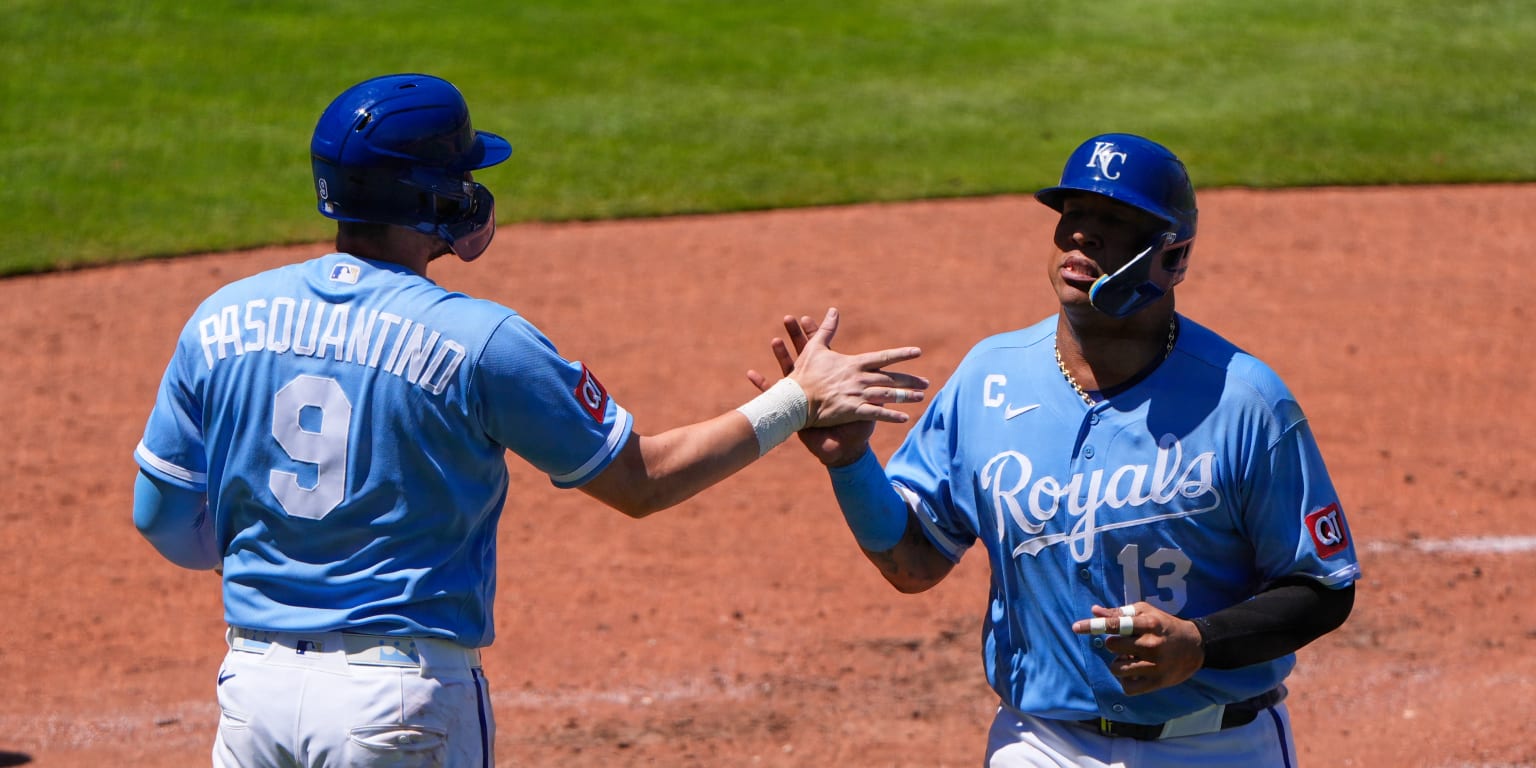
The Royals ended an eight-game series drought with an 8-6 victory over Seattle on Sunday, a result that feels less like a breakthrough and more like a circuit finally completing. Seth Lugo delivered a quality start (three earned runs in 6⅓ innings), and the lineup converted when it mattered most—Salvador Perez drove in two runs on a 108.9 mph single with the bases loaded and two outs in the fifth, then Carter Jensen added a two-run double. Those weren't miracles. They were the exact sequence this roster was assembled to produce.
What makes Sunday's win meaningful isn't the score but the context. The Royals improved to 1-4 in rubber matches, snapping the only zero in the majors and ending a three-series losing streak. They'd also recorded their first back-to-back wins since May 8-9 against Detroit. Those are organizational tire-kicks—not stat-line noise. The team that built around a tight rotation and timely hitting has been stuck in a three-month funk where neither delivered simultaneously. Sunday proved they could still execute the blueprint.
The fifth-inning sequence is the mechanical proof. Massey walked and Isbel bunted for a hit; Bryan Woo's throwing error moved both runners into scoring position with no outs. The Royals then squandered the setup—Garcia grounded out, Witt flew out—before Woo's own walks loaded the bases for Perez. Entering that at-bat, Perez was hitting .143/.227/.214 with runners in scoring position. That's sub-replacement slugging in a high-leverage spot. Instead of extending the offensive drought, he ripped a single through the left side. Jensen's follow-up double sealed the inning's transformation from a narrative of wasted opportunity into one of execution.
For prop bettors, this pivot reveals a structural change worth monitoring. Perez's RISP numbers have been abysmal—.143 average is not variance, it's a real skill deficit or bad sequencing. If Sunday marked a rotation point where the Royals' core (Perez, Witt, Pasquantino) start converting close-game situations at a higher rate, the team's run-line exposure shifts. Through this point, Kansas City has been a classic under-play in tight games because they've stranded runners and lost rubber matches. A series win and back-to-back victories could indicate the machinery finally meshing. The next two weeks—especially the Yankees series—will determine whether this is a sustainable pattern or a single-series outlier.
Lugo's consistency (eighth quality start in nine games) combined with timely hitting is exactly the profile that keeps totals down and spreads tight. If the Royals' core batting group maintains this RISPecution level, expect unders to face pressure on Kansas City's next three series. The angle isn't that they'll suddenly dominate; it's that they'll stop leaving runs on base in situations where they already have runners in scoring position.