Rutschman to Boston: Red Sox Bet on Elite Defense and Upside While Absorbing Injury Risk
By Justin Erickson ·
Boston acquires a three-time All-Star catcher mid-season despite multiple IL stints, banking on his defensive prowess and plate discipline to stabilize their backend.
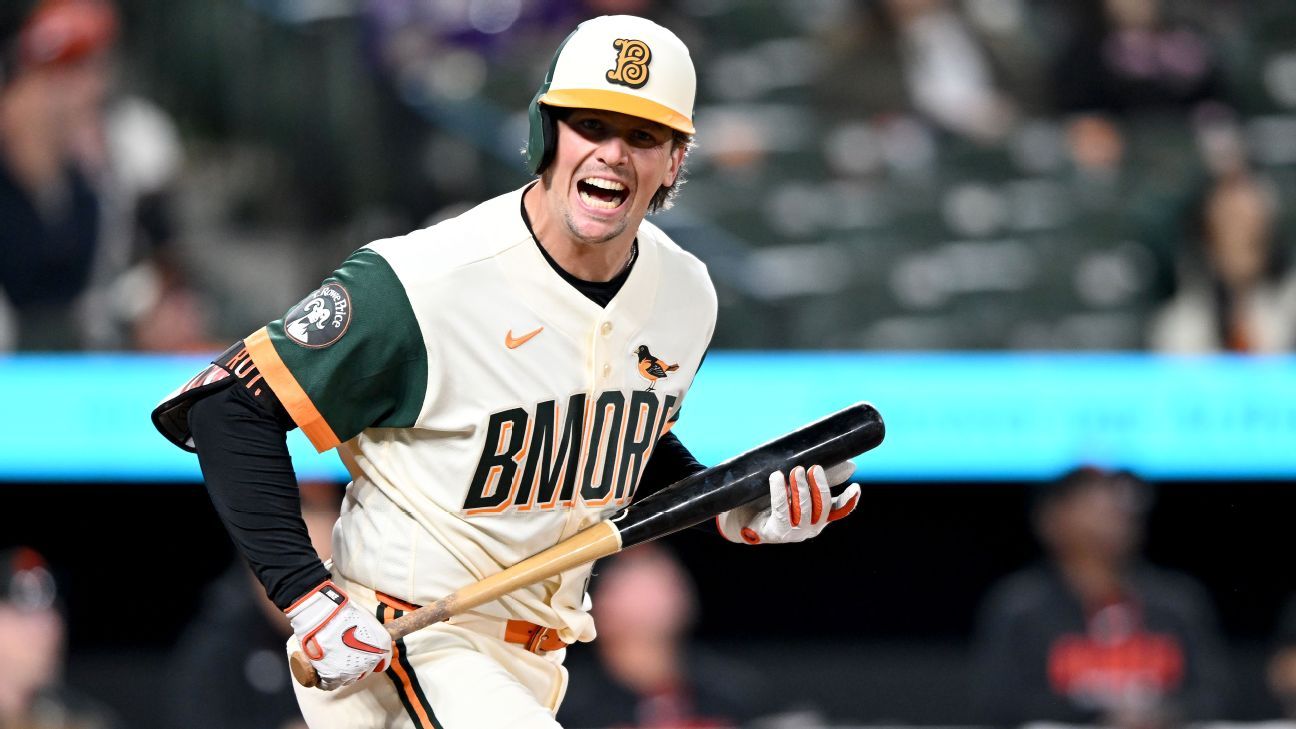
The Boston Red Sox acquired three-time All-Star catcher Adley Rutschman from the Baltimore Orioles on August 3, 2026, landing one of baseball's most talented defensive backstops at the cost of taking on injury risk and roster uncertainty. Rutschman, 28, is currently sidelined with left wrist inflammation but carries elite credentials: a .254 career average across five seasons, 69 home runs, 277 RBIs, and—most critically—a second-best-of-career expected batting average (.xOBA) at the All-Star break in 2026. The deal signals Boston's conviction that his defensive value and upside at the plate justify the gamble on a player who has hit the injured list three times already this season (left ankle in April, concussion in June, wrist in July).
Rutschman's injury history is the first complication. Three separate IL stints in a single calendar year, spanning different body parts, raises durability questions that extend beyond typical regression or variance. The ankle inflammation reoccurred following his June concussion, suggesting either latent structural issues or a pattern of soft-tissue vulnerability exacerbated by the catching position's physical toll. What makes Rutschman valuable despite that profile is his switch-hitter versatility and his defensive reputation—elite framing, game-calling, and pitch management that tier him above nearly all peers. The Orioles' decision to move him stemmed not from performance decay but from their signing of young catcher Samuel Basallo to a long-term deal, making Rutschman surplus talent rather than broken goods. Still, his contract extends only through the 2027 season, and Boston is betting its catching depth on a player whose 2026 healthy at-bats (eight home runs, 47 RBIs when active) reflect a season interrupted too often to draw definitive conclusions about form.
For the Red Sox, the acquisition reshapes their plate discipline and defensive metrics going forward. Rutschman's secondary skills—walks, contact quality against fastballs—suggest he'll fit seamlessly into a Fenway Park environment that rewards pull-side power and disciplined approaches. His presence also matters for pitcher management: elite defenders tend to correlate with lower wild-pitch rates and better command-development in young arms. However, the timing of the trade—at the deadline, with Rutschman on the shelf—means Boston cannot immediately test his health or chemistry with their pitching staff in low-stakes at-bats. They're purchasing his upside on credit.
From a betting lens, Rutschman's prop-eligible impact is muted in the short term. Any catcher receiving an IL stint in August will not be available for meaningful waistline-testing until September call-ups or the 2027 season. This eliminates catching-specific props (passed balls, framing metrics) from immediate consideration. However, Red Sox team total lines should receive downward pressure in early lineups, since the catching position turnover introduces volatility into run-production stability. The club loses the certainty of their prior catcher's known offensive baseline and gains Rutschman's ceiling-but-uncertain floor until he logs enough healthy innings to recalibrate. In the 10-14 days before Rutschman is cleared from the IL, take unders on Red Sox team totals at 4.5 or higher, as bookmakers will price them assuming full-lineup health while Boston navigates catching flux. Once Rutschman returns and plays five consecutive games without IL assignment, that edge evaporates—market recalibration will be immediate.
The longer-term story is Rutschman's durability and his value as a 2027 building block. If he logs 100+ games next season without IL assignment and maintains a .260+ average with double-digit home runs, he becomes a cornerstone asset for a rotation-heavy Red Sox team. If the injuries persist, Boston will have overpaid for a part-time catcher entering free agency in his age-29 season. For now, the bet is on elite defense and second-half plate approach holding firm once wrist inflammation clears—a reasonable wager given his career profile, but one that hinges entirely on medical clearance and injury-free at-bats across the final two months.