MLB · milestone
Smith Breaks Through Against Southpaw Pitching, Caps Astros' Division Statement
Houston's right fielder punched through his platoon weakness to deliver a two-homer performance that recalibrated the Astros' offensive floor after a stumble in Toronto.
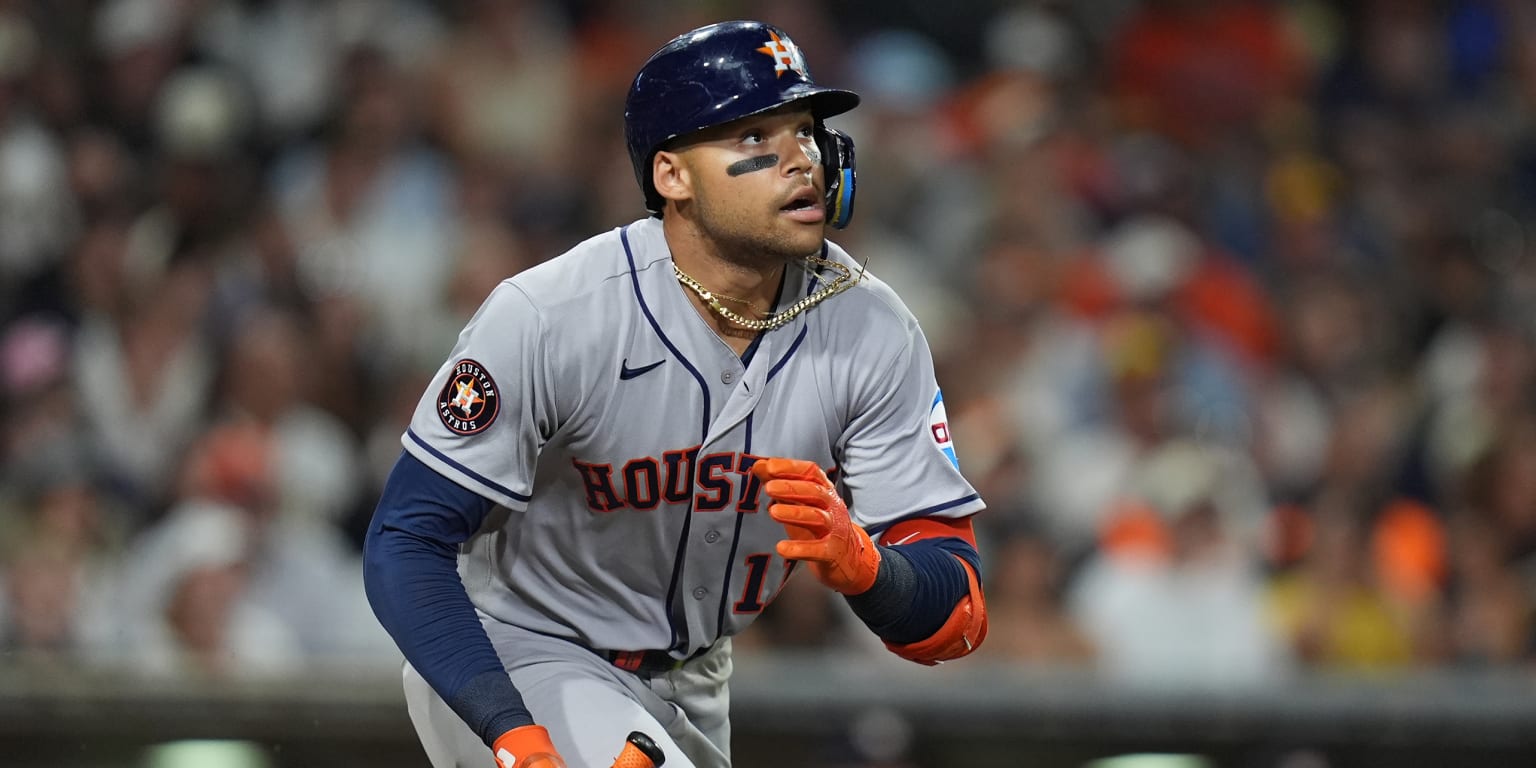
The Astros arrived in San Diego on Friday nursing a series loss to Toronto and a division cushion they needed to defend. Against Padres left-hander Robbie Ray in the second inning, Cam Smith erased one persistent liability: his brutal splits against southpaw pitching. Smith entered this matchup batting .186 with a .703 OPS against lefties—a material gap in a lineup that otherwise owns the AL West. He launched a line-drive solo shot to left-center, then doubled down in the sixth when the Padres brought in left-hander Yuki Matsui, launching another solo homer over the left-field wall. Houston won 6-3.
The performance matters less as a one-game outlier and more as a pressure test. Smith's platoon split—a .186 average in roughly 150-200 plate appearances against lefties (a typical seasonal sample)—isn't a fluke or a small-sample artifact. Lefty specialists and framing southpaws have found consistent angles against his bat path. But Friday exposed the gap between Smith's long-term tendency and single-game variance. Two homers in one night against the exact pitcher archetype that has owned him all season doesn't reverse the fundamental split. It does, however, signal that the correction floor is higher than the average .186 might suggest—he has at least explosive power upside even when mechanics or approach are slightly off.
From a divisional standpoint, Houston's win mattered. The Astros sit atop the AL West and cannot afford a slide into Toronto's visit. A series victory at Petco, where they historically struggle, resets the narrative and forces Oakland and Seattle to keep pace. Smith's two-homer night is the kind of individual performance that tilts momentum back toward the defending division leader after a stumble, but only if it sticks.
For proposition players, Smith's platoon splits create a straightforward edge over the next two weeks: fade his home run and RBI props when he's lined up against lefty starters until he logs multiple games of similar production. One outlier night—even a two-homer night—doesn't overturn a season's worth of mechanical evidence. Conversely, if Smith faces right-handed pitchers in the Astros' remaining August matchups, his power projection rises back to career norm (he carries a .920 OPS against righties). The Astros play Seattle on Aug. 14 (6 days out), and the Mariners rotate both left and right-handed starters. If Smith faces their right-handed options, expect sportsbooks to keep his HR line conservative; that's the spot to lean over on his power props, since the books are still anchored to his broader season splits rather than his true performance band against righties.
Houston's path forward depends on consistency, not heroics. One two-homer night against the pitcher type that has dominated him all season is noise with a spike, not a trend. Smith will face more lefties, and the .186 average will persist as a drag until he logs 20-30 more plate appearances of evidence to the contrary. Bettors should treat this as a correction opportunity—not in the direction of the market moving higher on Smith's general prop lines, but in the direction of asking which pitcher matchup drives the edge. Leftie starter? Fade. Righty starter? Lean volume.
MLB Intelligence — Baseball intelligence beyond the box score. Open MLB Intelligence →