Lindor's Injury Reboot, Not Decline: Why the Mets Selling Now Is Early Panic
By Justin Erickson ·
With 11 days until the trade deadline, Francisco Lindor's .233 average masks a recovery story—not a career fade—that makes him a buyers' discount, not a sellers' panic.
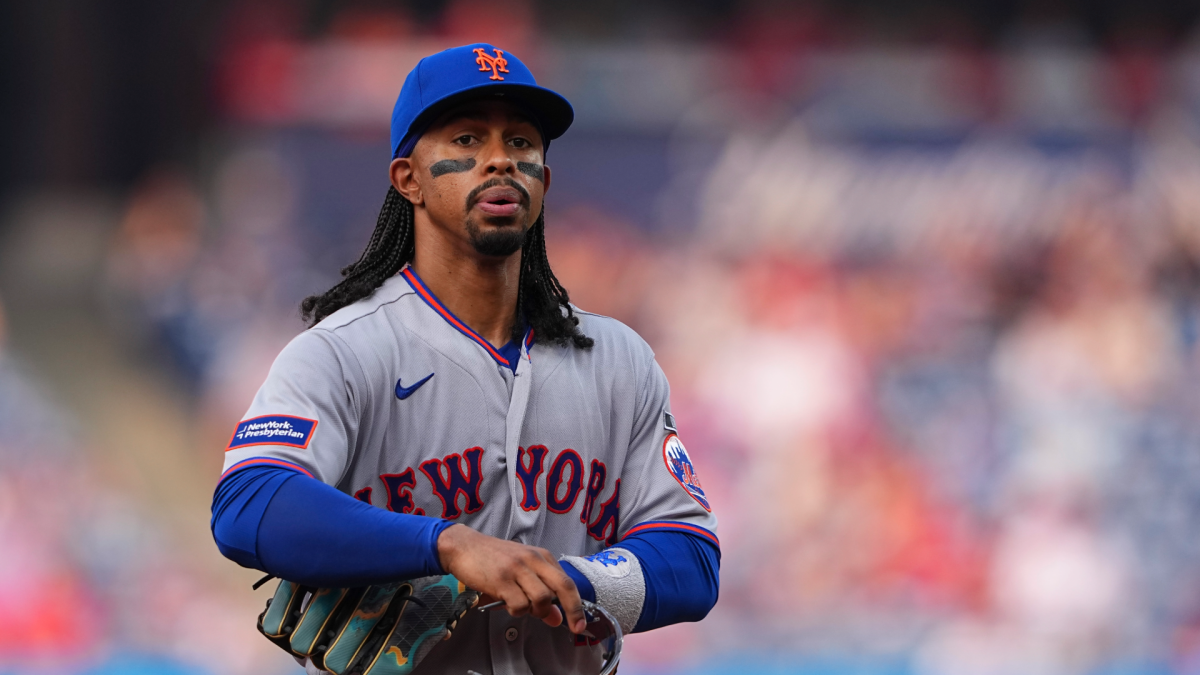
The Mets are 43-60 and hemorrhaging money. Francisco Lindor is hitting .233 with a .798 OPS. The math screams rebuild, and the chatter about moving the shortstop feels inevitable. But the numbers tell a different story than the headline does. Lindor broke his hamate bone in spring training and returned for Opening Day. Eleven weeks later—after missing nearly a month with a hamstring injury in late April—he's played only 46 games in a truncated, injury-interrupted season. Selling Lindor at his lowest trade value since entering the majors is not asset management; it's panic selling a depressed equity position before recovery.
The performance gap between Lindor this year and his four-year baseline is stark: .233 average versus .266; .798 OPS versus .812 (128 OPS+); 0.8 WAR on pace versus 6.0 per-season average. But every one of those gaps traces back to the same root: he never had a clean offseason. The hamate surgery compressed his ramp-up, and the hamstring blow wiped out May entirely. At 32, Lindor isn't suddenly declining—he's a player nine weeks into a comeback from two consecutive lower-body injuries with minimal preparation. The second half of the season will tell us whether he's recovering or fading. Right now, we're sampling noise from a broken system.
Mets ownership and the front office face a legitimately ugly choice: absorb $170.5 million plus inflation on Lindor's remaining five years, or cut losses early and eat money to move him before August 3. The deadline is 11 days away. Any team acquiring Lindor in a trade will assume the full contract risk—unlikely without the Mets eating a chunk of it. So the real question isn't whether Lindor has declined; it's whether the Mets can afford to hold a $205+ million bet on his recovery when they're already $100+ million over the line on payroll. That's a balance-sheet problem, not a baseball problem.
For bettors, Lindor's prop lines are trading at a seasonal floor built on small-sample injury noise. His strikeout rate (27.8% this season) sits well above his 20.1% career clip, a classic injury-recovery marker—hitters still calibrating timing off the IL. His walk rate (8.3% this year, 10.3% career) shows contact discipline returning. Both of these metrics will normalize faster than the raw average does. If Lindor stays in New York—the smart bet, given the deadline logistics—expect August and September lines to compress as he finds footing in a real second half. Fade the seasonal props that punish injury recovery. Instead, look for positive regression in K% and BB% as the cleaner edge.
The trade deadline machinery will churn. Expect beat reporters to float Lindor's name through Aug. 2. But moving him now, at a 90-game nadir, trades a multi-year swing asset for short-term cash relief. The Mets' problems are real. Lindor's recovery is real too. Don't confuse the two.