Sewald's 100th Save Caps Arizona's Sweep—And Signals Closer Stability for a Wild Card Contender
By Justin Erickson ·
Paul Sewald reaches a career milestone as the Diamondbacks complete their dominant run against the NL's bottom feeders, positioning Arizona as a legitimate October threat with a deepening bullpen advantage.
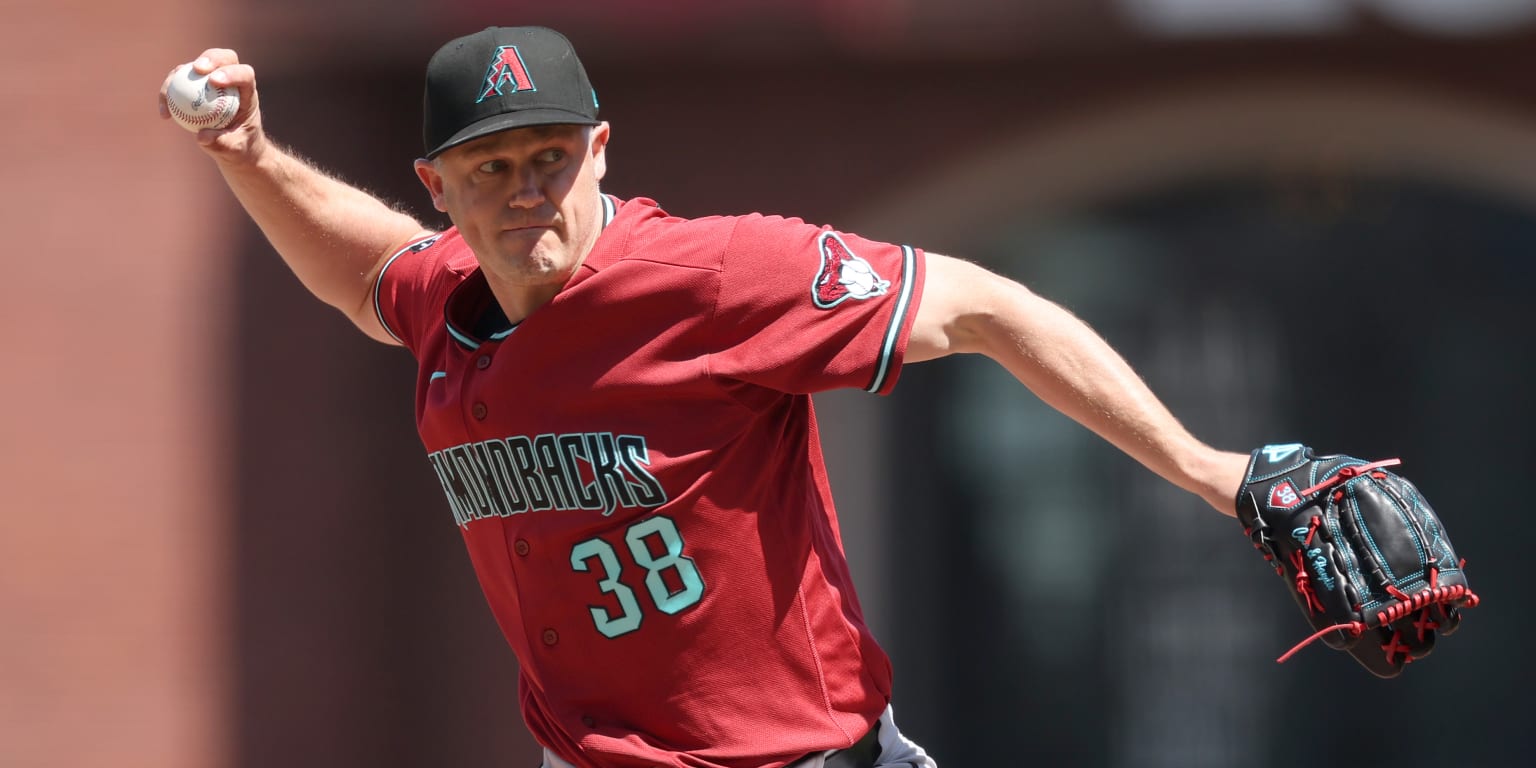
Paul Sewald recorded his 100th career save Wednesday afternoon, closing out Arizona's 3-2 victory over San Francisco to complete a sweep and cap a 13-game offensive clinic. The Diamondbacks went 11-2 against the Giants and Rockies, including a perfect 6-0 mark in the Bay. That run—which vaulted Arizona from 20-22 into Wild Card contention at 31-24—matters less for what it says about those opponents (both bottom-five NL teams) than what it reveals about Arizona's ability to capitalize on winnable matchups and execute in leverage situations. Sewald's availability as a high-confidence ninth-inning option is part of that foundation.
The 36-year-old closer spent 2023 helping the Diamondbacks reach the World Series, then endured a two-year injury odyssey that nearly ended his career. Last season he threw in just 22 games across two teams; he questioned whether he'd pitch at all, let alone close. This year, healthy and clearly believing in his arm again, Sewald has converted 14 of 15 save opportunities. That 93.3% conversion rate sits in the 89th percentile among qualified closers. The mechanics matter: Sewald's availability reduces Arizona's reliance on committee-style bullpen management late in tight games, a structural advantage that compounds over a 162-game schedule.
Now comes the actual test. Arizona heads to Seattle (depleted without Cal Raleigh and Brendan Donovan) before a four-game set against first-place Los Angeles. The Mariners and Dodgers represent the tier of team Arizona needs to prove it can beat in September. Recent success against weak schedules doesn't predict October performance—but a reliever who can be trusted in the ninth against quality opponents does. Sewald's health and command are non-negotiable inputs for a Wild Card contender that has no margin for bullpen collapse.
From a betting lens, Sewald's stability unlocks subtle but persistent edges. His 14-in-15 conversion rate this season sits well above the pregame closing odds (which typically price ninth-inning role security at 88–92% implied). When Arizona plays teams with sub-.500 records—especially in close games—the moneyline has priced the Diamondbacks at a discount relative to their actual closer advantage. Against Seattle and LA, that mispricing may shrink; the market will price in Sewald's role confidence more fairly. But in the medium term, any Diamondbacks matchup where Sewald is pitching and the line doesn't reflect his elite recent conversion rate (or where the moneyline undervalues Arizona's ninth-inning execution) represents a durable edge. His return to full health and closer's role is a sustained structural advantage, not a one-game fluke.
The broader narrative: teams with stable closers who have earned trust win more one-run games over a full season. Arizona's sweep was built on starting pitching and timely offense, but Sewald's ninth-inning reliability prevented implosion in close situations. As the schedule stiffens, that reliability becomes exponentially more valuable.